

Top Carbide Tools Manufacturers for Global Buyers
Choosing a carbide tool supplier is not just a price comparison. A drill or milling insert must hold its edge, fit the machine, and perform consistently across demanding production runs. In Carbide Tools Manufacturing, those results depend on more than tungsten carbide grades. Buyers should examine material traceability, powder preparation, pressing, sintering, grinding, coating, and final inspection. Each step can affect tool life and dimensional accuracy.
Manufacturing quality expert W. Edwards Deming is often credited with the principle, “Quality is everyone’s responsibility.” Applied to carbide tools, that idea points buyers toward suppliers who can explain how quality is controlled throughout production, not only at final inspection. Ask for clear specifications, relevant test data, and evidence of repeatable processes. A polished catalog is not enough. A chipped cutting edge after a short run tells a different story.
This guide introduces manufacturers serving global buyers and the capabilities worth comparing. Look closely at application support, customization, delivery reliability, and communication. A supplier may offer excellent tools but limited technical guidance. Another may provide detailed support yet have a narrower product range. There is no perfect shortlist. Buyers should match each manufacturer to the material, machine, tolerance, and production volume involved. Small details matter. A stable coating, a consistent insert seat, or a clear response to a technical question can distinguish a dependable partner from a risky purchase.
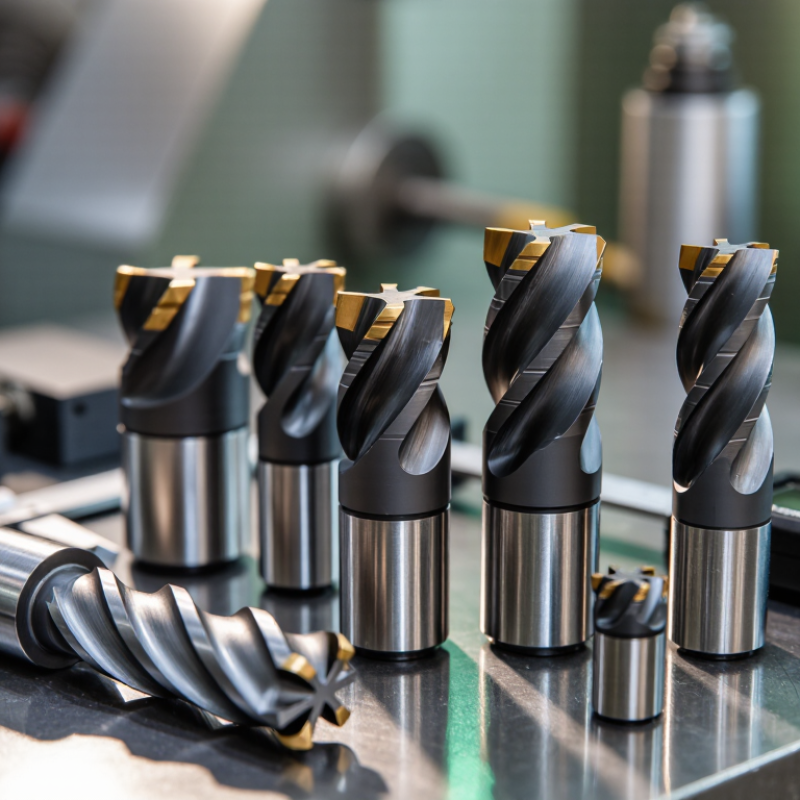
What Carbide Tools Are and How They Are Used
Top Carbide Tools Manufacturers for Global Buyers
What Carbide Tools Are and How They Are Used
Carbide tools usually have cutting edges made from cemented carbide, a hard material formed from carbide grains and a metal binder. They are used for cutting, drilling, milling, and turning materials such as steel, cast iron, and composites. Their hardness helps them resist wear at high temperatures, though it does not make them unbreakable. A sharp impact or poor setup can chip an edge. In a machine shop, the right tool depends on the workpiece, operation, cutting speed, and required finish.
Tips: Match the tool grade and geometry to the material. Check the manufacturer’s recommended speeds and feeds, then adjust carefully for your machine and setup. Secure the workpiece, inspect the cutting edge, and use suitable coolant when the process calls for it. Small changes matter.
Carbide tools can support consistent production, but performance still depends on handling and maintenance. For example, a chipped insert may leave a rough line on a turned part, even if the machine settings look correct. Replace or index damaged edges rather than pushing them through another cut. Keep tools protected from knocks during storage, and record which settings work for each job. Real results can vary; a setup that performs well on one machine may need adjustment on another.
Typical Cutting Speeds for Turning Carbon Steel
Carbide cutting tools can typically run at higher speeds than high-speed steel tools when turning carbon steel. These ranges are general guidance, not fixed limits; the workpiece, tool grade, coating, machine, and cutting conditions all affect the recommended speed.
How to Evaluate Carbide Tool Manufacturers
Evaluating carbide tool manufacturers starts with the part, not the catalogue. Share the workpiece material, machine type, cutting speed, and coolant conditions. A capable supplier should ask for these details before recommending a grade or geometry. If every application receives the same answer, look closer.
Ask how the manufacturer controls carbide composition, grinding, and coating thickness. Request inspection data for dimensions that affect your process, such as cutting diameter, edge preparation, and runout. A sample tool can reveal surface finish and chip control, but one successful trial does not prove consistent production. Check whether batches are traceable and whether inspection records match the delivered tools. Small differences matter.
Support matters too. Ask how technical staff investigate premature wear, chipping, or vibration. A useful response connects the failure to operating conditions and suggests a testable adjustment, rather than promising a quick fix. Compare lead times, packaging, and replacement procedures alongside price. These details affect production planning. This process is not foolproof; machine condition and operator choices can distort results. Keep trial notes, change one variable at a time, and judge performance across more than one batch.
| Evaluation Area | What to Compare | Strong Evidence to Request | Buyer Check | Suggested Weight |
|---|---|---|---|---|
| Product and application coverage | Solid carbide end mills, drills, reamers, inserts, and special tools; suitable workpiece materials and machining operations. | Current product catalog, technical data sheets, application guidance, and sample tools for the intended material and operation. | Confirm that the proposed tool geometry and grade match the workpiece, machine, toolholder, and cutting conditions. | 15% |
| Carbide grade and material traceability | Grade options, carbide grain characteristics, binder composition disclosures where available, and consistency between batches. | Grade data sheets, batch or lot identification, material certificates when applicable, and a documented traceability process. | Check that grade recommendations are supported by the workpiece material and the balance of wear resistance and toughness required. | 12% |
| Geometry and dimensional control | Tool diameter, cutting length, overall length, shank dimensions, runout, edge preparation, and tolerance options. | Dimensioned drawings, inspection records, stated tolerances, and sample measurement reports for critical features. | Compare measured samples with the drawing and verify that tolerances suit the holder, setup, and finished-part requirements. | 12% |
| Coating and surface options | Available coating families, coating thickness or specifications where provided, surface finish, and suitability for the application. | Coating technical documentation, recommended operating conditions, and application-specific test data. | Request a recommendation based on cutting temperature, workpiece material, coolant use, and the risk of built-up edge or wear. | 10% |
| Quality management and inspection | Documented production controls, incoming-material checks, in-process inspection, final inspection, and nonconformance handling. | Applicable quality certificates, inspection plans, sample reports, calibration controls, and corrective-action procedures. | Verify certificate scope and validity independently; ask how defects are contained, investigated, and prevented from recurring. | 15% |
| Manufacturing capability | Grinding capability, flute and edge preparation, special-tool production, reconditioning support, and production capacity. | Process overview, capability documentation for relevant tool types, sample parts, and realistic lead-time estimates. | Check whether the supplier can repeatedly make the required design, not just produce a one-off sample. | 10% |
| Application engineering | Support for tool selection, cutting parameters, troubleshooting, tool-life evaluation, and process optimization. | Named technical contact, documented recommendations, trial-planning support, and a method for reviewing test results. | Ask for recommendations that state assumptions and measurable trial criteria, such as tool life, cycle time, or surface finish. | 10% |
| Export and supply reliability | Export experience, packaging, shipping options, lead-time communication, order tracking, and contingency planning. | Written delivery terms, export documentation examples, packaging specifications, and performance history for comparable orders. | Confirm the delivery term, destination responsibilities, customs documentation, and escalation contact before placing an order. | 8% |
| Commercial clarity and total cost | Pricing structure, minimum order quantities, tooling or setup charges, payment terms, warranty scope, and replacement policy. | Itemized quotation, written terms, clear validity period, and documented procedures for claims or returns. | Compare cost per acceptable part or machining result where possible, rather than purchase price alone. | 8% |
Suggested weights are a buyer-side evaluation framework, not a ranking of specific manufacturers. Adjust them to the application, production volume, and risk profile.
Leading Manufacturers and Their Product Specialties
Carbide tool manufacturers often specialize in distinct product families. Some focus on solid-carbide end mills and drills for precise milling or holemaking. Others produce indexable inserts for turning, grooving, and face milling. A separate group makes custom blanks, reamers, or wear components. Their strengths depend on carbide grade control, edge preparation, coating selection, and consistent grinding—not simply catalog size. Small details matter. A polished cutting edge and a suitable chip breaker can affect tool life and surface finish.
For global buyers, match each manufacturer’s specialty to the workpiece and machine. Check tool diameters, flute geometry, tolerance ranges, and recommended cutting conditions. Ask for grade information and technical data, especially when machining hard or abrasive materials. Sample testing can reveal vibration, chip shape, and wear patterns that a specification sheet cannot show. The category labels can mislead: “general-purpose” does not mean ideal for every operation. Even a detailed catalog may leave practical questions unanswered, so evaluate technical support and documentation too.
Tips: Share the material, operation, machine limits, and target finish when requesting recommendations. Compare test results, not just quoted tool life. A modest trial may prevent a costly mismatch.
How Manufacturing Capabilities Affect Tool Performance
A carbide tool’s performance begins long before it reaches a machine. Tungsten-carbide grain size, binder distribution, and sintering control influence hardness and resistance to fracture. Poor pressing can leave density variations. Later, these may appear as edge chipping or uneven wear. Hot isostatic pressing can reduce porosity, but it cannot rescue an unsuitable grade. Small details matter. Edge preparation matters, too: an overly sharp edge may chip, while a rounded one can increase cutting forces.
The USGS Mineral Commodity Summaries 2024 estimated global tungsten mine production at 78,000 tonnes in 2023, with China accounting for 63,000 tonnes. That concentration makes traceable powder sourcing and batch records worth checking, though neither guarantees consistent tools. Ask manufacturers for grain-size measurements, hardness and transverse-rupture-strength results, and dimensional inspection records. Also examine grinding quality and tool runout; a few microns can affect finishes in precision work. Paperwork can flatter reality. Trial tools on the actual workpiece, coolant, and cutting conditions, then compare wear and surface finish across batches. A capable factory should explain variation, not just show a polished sample.
What Global Buyers Should Consider When Sourcing Carbide Tools
Top Carbide Tools Manufacturers for Global Buyers
Global buyers should match carbide grade to the actual operation, not just the tool’s quoted hardness. Milling steel, drilling cast iron, and machining composites place different demands on grain size, binder content, and coating. The USGS Mineral Commodity Summaries 2025 estimated global tungsten mine production at 81,000 metric tons in 2024. Tungsten is a key carbide input, so buyers should ask about material traceability and supply continuity. A low price can be useful. It is not proof of consistent batches.
Check dimensional tolerances, edge condition, coating adhesion, and inspection records before approving a supplier. ISO 513:2012 provides classifications for hard cutting materials used in metal removal, offering a useful common reference during technical discussions. Request sample tools and run them under realistic feeds, speeds, and coolant conditions. Compare tool life and surface finish, not just purchase price. Also confirm packaging, lead times, minimum order quantities, and how nonconforming parts are handled. Some specifications look clear on paper but leave room for interpretation.
Tips: Ask for a lot-specific inspection report and a written tolerance range. Keep a few samples for comparison. Small checks prevent expensive surprises. And be candid: one successful trial does not guarantee every future batch will perform identically.
Related Posts
-
Top Carbide Tools Manufacturers in China?
-
How to Choose the Right Machine Shop Tools for Your Projects
-
How to Choose Indexable Milling Cutters in 2026?
-
2026 Best Custom Parts Manufacturing Companies?
-

Comparative Analysis of Top Indexable Tool Repair Services for Optimal Efficiency
-

What is a Tools Shop and What Products Do They Offer?