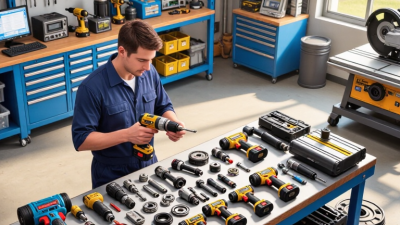
7 Tips for Choosing the Best Tool Services
Choosing the right Tool Services provider can shape daily productivity, repair costs, and the lifespan of your equipment. A low quote may look attractive, but response times, technician experience, and replacement-part access matter just as much. Picture a production line paused while a common part sits on back order. That delay can cost more than a careful service agreement. Small details count.
Tool Services specialist Jordan Lee offers a practical reminder: “The best service is measured not only by the repair, but by how reliably work resumes.” Use that idea as a guide, not a guarantee. Ask what the provider covers, how quickly it responds, and whether its technicians know your specific tools. Check service records and request clear pricing before committing. Then compare those answers against your team’s actual needs. A small workshop may value flexible scheduling; a busy site may need predictable coverage and stocked parts. Different tools, different pressures.
The seven tips ahead will help you assess expertise, availability, costs, maintenance plans, and customer support. Look for evidence, not confident promises. Ask for examples. Read the fine print. No checklist catches everything, and I would still want to speak with a current customer before signing. That extra conversation may feel slow. It can prevent a longer pause later.
Identify the Tools and Services Your Project Requires
Start with the work, not the catalog. List the tasks your project must handle: approving drawings, sharing large files, tracking revisions, or scheduling field visits. Note who performs each task, how often it happens, and what currently causes delays. A service that looks powerful may still add friction if it cannot fit your team’s daily routine. Small details matter.
The World Economic Forum’s 2023 Future of Jobs Report found that 75% of surveyed companies planned to adopt technologies including big data, cloud computing, and artificial intelligence within five years. That trend makes capability matching important, but adoption alone does not prove a tool suits your project. Define requirements before comparing options: access controls, file formats, offline use, response times, and support hours. Be specific. “Easy to use” is too vague to test.
I still find it easy to rush this step. A short pilot can expose awkward handoffs before the whole team depends on a service. Try one real workflow, such as reviewing a marked-up site plan on a phone, then checking whether the updated file reaches the right people. Record setup time, recurring fees, training needs, and data-export options. Ask the people doing the work what slowed them down; their first answer may change after a week of testing.
Assess Provider Expertise, Equipment, and Service Range
When comparing tool-service providers, look beyond a polished equipment list. Ask who will handle the work, what training they have, and how often their skills are refreshed. Request examples of similar jobs, including the tool type, material, and tolerance involved. A capable provider should explain its process in plain language, not promise perfect results. That distinction matters.
Tip: Inspect the equipment list. Match it to your actual job, then ask about calibration records, maintenance, and backup capacity. A machine may look suitable on paper but still lack the right range or condition. McKinsey Global Institute’s 2015 report on the Internet of Things estimated predictive maintenance could reduce equipment downtime by 30–50% and maintenance costs by 10–40%. These are potential gains, not guarantees; ask how the provider tracks upkeep and service performance.
Tip: Check the service range and response plan. Can the provider support setup, repair, replacement parts, and follow-up? Ask for a sample service record and a realistic turnaround time. A broad menu is useful only if the team can deliver each service reliably. I would also clarify what happens when a job changes midstream. That detail is easy to miss, and it can expose gaps in communication.
Check Tool Quality, Safety Standards, and Maintenance Practices
7 Tips for Choosing the Best Tool Services
Ask how the service checks tools before renting, repairing, or returning them. Look for documented inspections, clear defect reports, and staff who can explain what they test. A polished counter is reassuring, but it cannot show whether a worn drill chuck was actually checked.
That matters. Ask which safety standards apply to the tools and the work they support. Reliable providers should be able to share relevant certificates, inspection dates, and instructions for safe operation. Check that guards, cords, handles, and emergency stops are intact. For a power tool, even a frayed cable deserves attention, not a quick shrug. If answers stay vague, compare another service.
Maintenance practices reveal whether quality lasts beyond the initial inspection. Ask how often tools are serviced, who records repairs, and how damaged equipment is taken out of use. A simple log with dates and replaced parts is more useful than a general promise to “keep everything in good shape.” Look closely. If a tool feels unusually hot, vibrates unevenly, or makes a new grinding sound during a demonstration, ask the staff to investigate before accepting it. I might overlook a small issue when rushed, so a written checklist helps—but it should not replace careful judgment.
Compare Pricing, Availability, and Service Terms
7 Tips for Choosing the Best Tool Services
A low daily rate can look attractive until delivery, cleaning, or damage fees appear. Compare the full quoted cost, not just the headline price. Ask whether taxes, deposits, and optional accessories are included. Put the figures side by side. It is easy to overvalue the cheapest offer; I would check the final bill before deciding.
Availability matters just as much as price. Confirm that the exact tool is ready for your dates, not merely listed online. Check pickup hours and return deadlines, especially if a project runs late. Ask how the service handles delays or equipment that becomes unavailable. A quick written confirmation can prevent a wasted trip.
Read the service terms before booking. Look for cancellation rules, late-return charges, maintenance procedures, and support hours. Ask who to contact if a tool stops working mid-task, and whether a replacement is available. Clear answers are reassuring. Vague terms deserve a second look. Compare these details across providers, even when it takes a few extra minutes.
Verify Customer Support, Reviews, and Provider Reliability
Before booking a tool service, test its customer support with a practical question about availability, setup, or a damaged item. Notice whether the reply is specific, courteous, and consistent across contact channels. A fast answer helps, but a clear process for urgent problems matters more. Ask how issues are recorded, who arranges replacements, and what response time customers can expect. Details matter. If answers remain vague, the service may feel less dependable once equipment is already on site.
Read recent reviews for repeated patterns, not just high or low ratings. Several mentions of late deliveries or unresolved repair requests carry more weight than one angry post. Look for details about the same service you need, such as equipment condition, pickup timing, or support after a breakdown. Reviews can be incomplete, and I sometimes find myself trusting a confident-sounding comment too quickly. Check whether the provider responds constructively and explains how problems were handled. Then verify reliability directly: ask about maintenance checks, delivery windows, and written service terms. A short, clear answer is reassuring. So is a provider willing to admit what it cannot guarantee.
Why Reviews Matter When Choosing a Tool Service
How often U.S. adults read online customer reviews before buying a new product
Reviews are a useful starting point when comparing tool-service providers. Read several recent reviews, look for recurring feedback about support and reliability, and verify important claims directly with the provider. Source: Pew Research Center, 2021 survey of U.S. adults.