

Why Are Disposable Needles Preferred by Global Buyers?
Global buyers increasingly prefer the Disposable Needle because it combines infection control, operational simplicity, and predictable clinical performance. In a busy vaccination room, a sealed needle is opened beside the patient, used once, and placed into an approved sharps container. That small sequence reduces handling steps and limits opportunities for contamination.
Dr. William A. Rutala, a recognized infection-prevention specialist, has emphasized a simple principle: “Single-use devices should not be reused.” His message reflects the practical value of disposable products. They remove cleaning, sterilization, and inspection from the immediate workflow. They also help clinics maintain consistent needle sharpness, packaging integrity, and traceability.
This preference is not based on convenience alone. Hospitals and distributors examine sterile barriers, material quality, hub compatibility, labeling, and batch documentation. Buyers also consider transport conditions. A damaged box, unclear expiry date, or missing lot number can create serious concerns before treatment begins. Reliable manufacturers therefore provide controlled production, documented testing, and responsive quality support.
Yet the Disposable Needle is not automatically the best choice in every situation. Waste volume, procurement cost, and disposal capacity still require careful review. Some buyers may focus too heavily on unit price. That can hide the cost of recalls, workflow delays, or poor packaging. The better decision combines safety evidence with real operating conditions.
Global demand continues to grow because disposable design supports standardization. It gives healthcare teams one clear, repeatable process. Not perfect. But often safer and easier to control.
What Disposable Needles Are and How They Are Designed
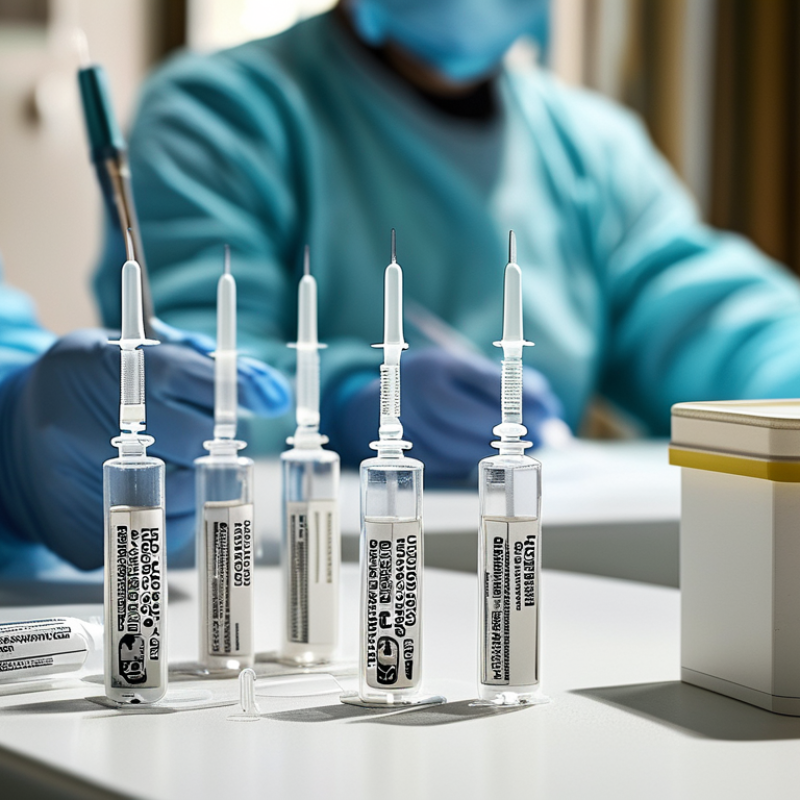
Disposable needles are sterile, single-use medical devices designed for controlled fluid access. They usually combine a fine metal cannula, a plastic hub, and a protective cap. The cannula carries the fluid. The hub connects it to a compatible syringe or delivery system. Unlike reusable needles, they are discarded after one procedure. This supports consistent handling and helps reduce cross-use contamination when staff follow approved protocols. But disposal practices still matter.
Their design begins with the intended application. Gauge, length, bevel shape, and hub fit affect insertion, flow, and control. A thinner cannula may reduce tissue disturbance, while a wider one can support faster fluid movement. The sharp bevel is ground to create a clean entry point. Protective caps shield the point before use. Sealed packaging maintains sterility until opening. Clear labeling helps buyers verify size, lot details, expiry, and regulatory information. These details are not decoration.
Experienced purchasers also inspect consistency across production batches. They may review material specifications, sterility validation, leakage tests, and packaging integrity. Good needles should feel secure, not loose or poorly finished. Still, no design is perfect. Handling errors, damaged packaging, or an incorrect size can create avoidable risk. For that reason, global buyers compare documented quality controls with trained-user needs and local medical requirements. That practical check is easy to skip.
Why Global Buyers Choose Disposable Needles
Global buyers choose disposable needles because they reduce cross-patient contamination risks and simplify clinical workflows. Each needle arrives sterile, sealed, and ready for one procedure. This matters in busy rooms, where a used needle can lie beside a tray for only seconds. The World Health Organization estimated that unsafe injections caused about 1.7 million hepatitis B infections, 315,000 hepatitis C infections, and 33,800 HIV infections in 2010. Disposable design cannot solve every safety problem, but it removes one preventable reuse decision.
Purchasing teams also value consistent sizing, sharpness, packaging, and batch traceability. These details affect patient comfort and staff confidence. ISO 7864 specifies requirements for sterile, single-use hypodermic needles, including dimensions and performance testing. Buyers often compare sterility evidence, packaging integrity, shelf life, and supplier quality records before comparing prices. A cheaper carton may become expensive when bent tips, damaged seals, or irregular supply interrupt treatment. The choice is practical, not glamorous. It still deserves careful review.
Tips: Check the needle’s intended procedure, gauge, length, and connection type. Request batch documentation and inspect seals before use. Store cartons in a dry, controlled area. Do not assume every disposable needle performs identically; user feedback and real clinical handling can reveal problems that certificates miss.
| Purchasing Dimension | Disposable Needles | Reusable Needles | Why This Matters to Global Buyers |
|---|---|---|---|
| Cross-Patient Infection Risk | Single patient, single use The needle is discarded after the procedure, eliminating the need to reprocess the needle for another patient. | Requires validated cleaning, disinfection or sterilization, inspection, packaging, and controlled storage between uses. | Single-use products simplify infection-prevention controls and reduce the risk of failures associated with incomplete reprocessing. |
| Sterility Assurance | Supplied in an individually sealed sterile package when labeled as sterile. Sterility is maintained until the package is opened or damaged. | Sterility depends on the healthcare facility's validated reprocessing cycle and on correct handling after sterilization. | Buyers can receive ready-to-use units while reducing dependence on local sterilization capacity, especially in decentralized or resource-limited settings. |
| Workflow Efficiency | Ready for use after package inspection and opening; no cleaning or sterilization turnaround is required. | Must be collected, transported, cleaned, sterilized, inspected, and returned to service before reuse. | Disposable needles support faster procedure turnover and more predictable operating-room or clinic workflows. |
| Product Consistency | Each unit is supplied as a new product with consistent geometry, sharpness, hub connection, and packaging specifications. | Repeated use and reprocessing may require inspection for dullness, bending, blockage, corrosion, or connection damage. | Consistent performance can reduce variability during high-volume purchasing and routine clinical procedures. |
| Needle Size Selection | Common medical needle ranges include approximately 18G to 30G, with length and gauge selected according to the intended procedure. | Size availability depends on the reusable system and its validated reprocessing and performance requirements. | Buyers can source procedure-specific sizes, including different gauges, lengths, bevel designs, and connection formats. |
| Sharps Safety | Designed for immediate disposal in an approved, puncture-resistant sharps container after use. | Used sharps must be safely collected and transported for reprocessing, creating additional handling steps before sterilization. | Immediate containment helps standardize post-use handling, although staff training and compliant sharps disposal remain essential. |
| Traceability and Packaging | Individual or grouped packaging can provide lot identification, expiry information, sterile-status labeling, and instructions for use. | Traceability depends largely on facility procedures for device identification, sterilization records, maintenance, and reuse limits. | Clear packaging and lot information support inventory control, recalls, audits, and regulatory documentation across international supply chains. |
| Cost Structure | Has a recurring purchase cost for each procedure or patient-use cycle and also generates regulated sharps waste. | May reduce the number of replacement purchases but requires equipment, labor, utilities, validation, maintenance, and quality-control resources. | Buyers generally compare total cost of ownership rather than unit price alone. The lower-cost option depends on procedure volume and local reprocessing capability. |
| Regulatory and Quality Requirements | Product specifications may address sterile barrier packaging, biocompatibility, performance, labeling, and applicable medical-device requirements. | The device and the reprocessing method must be suitable for repeated use and supported by documented cleaning and sterilization procedures. | Disposable products can offer a simpler qualification pathway when facilities need standardized, ready-to-use medical consumables. |
| Environmental Consideration | Creates additional material waste and requires safe treatment or disposal of contaminated sharps. Recyclability is limited by contamination and mixed-material construction. | Can reduce the number of discarded devices but consumes water, energy, packaging, and chemicals during repeated reprocessing. | Environmental decisions should assess the complete life cycle, including manufacturing, sterilization, transport, waste treatment, and local infrastructure. |
| Supply and Distribution | Can be stocked in sealed packages and distributed through standard medical-supply channels, subject to shelf-life and storage requirements. | Requires a reliable local reprocessing loop and consistent access to sterilization equipment and trained personnel. | Disposable needles are often practical for emergency care, mobile clinics, outpatient centers, and locations with limited sterilization infrastructure. |
Key Safety and Hygiene Benefits in Medical Use
Why Are Disposable Needles Preferred by Global Buyers?
Disposable needles are widely chosen because they reduce contamination risks at the point of care. The World Health Organization estimates that about 16 billion injections are administered worldwide each year. Every injection creates a small but real pathway for infection. A sterile, single-use needle helps close that pathway before the next patient arrives.
The Centers for Disease Control and Prevention states that needles and syringes must never be reused, even when the needle is changed. Its injection-safety guidance also requires single-dose medication containers to serve one patient whenever possible. This rule matters in a busy clinic, where a used needle may look clean under bright lights. It is not clean. Disposable products also simplify workflow. Staff can open a sealed pack, check its integrity, and place the needle into a sharps container immediately after use.
The WHO 2022 Global Report on Infection Prevention and Control links stronger infection-control systems with safer healthcare delivery. However, disposable needles are not a complete solution. Poor hand hygiene, damaged packaging, or overfilled sharps containers can still create hazards. The weak point may be human behavior. Buyers should therefore review sterility validation, packaging quality, traceability, and disposal instructions, not only unit price. A lower-cost product can become expensive when safety checks fail. That deserves reflection.
Why Are Disposable Needles Preferred by Global Buyers?
Key safety and hygiene benefits in medical use
Why this matters
Disposable needles are designed for single-patient use, helping prevent reuse and reducing the opportunity for bloodborne-pathogen transmission. Immediate disposal after use also supports safer sharps management and helps protect healthcare workers from needlestick exposure.
Data source: World Health Organization, WHO Guidelines for the Management of Health-Care Waste and occupational exposure estimates. The figures represent estimated annual percutaneous exposure events among healthcare workers associated with hepatitis B, hepatitis C, and HIV globally; categories may overlap.
How Quality, Compatibility, and Regulations Affect Purchasing
Disposable needles are preferred by many global buyers because they reduce cross-use risks and simplify clinical workflow. Quality, however, matters more than a low purchase price. Buyers inspect needle sharpness, protective packaging, material consistency, and sterile barrier integrity. A damaged seal can turn a reliable shipment into unusable stock.
Compatibility is equally important. Procurement teams check gauge, length, hub design, and connection type against existing equipment. Even a small mismatch can cause leakage, unstable handling, or treatment delays.
Storage conditions also deserve attention. A needle may meet specifications at production, yet poor transport can damage packaging. That detail is easy to overlook.
Regulations shape every international purchase. Buyers usually review sterile-product registration, labeling rules, quality certificates, batch records, and import documentation. Requirements differ between markets, so one document package may not satisfy every authority.
Clear traceability supports recalls and routine audits. It also builds trust between suppliers and healthcare distributors. A useful purchasing checklist should include regulatory verification, not only technical measurements.
No checklist is perfect. Human review still matters. Low prices can be attractive, but they may hide higher inspection, storage, or replacement costs. Experienced buyers compare total reliability, not just the invoice.
What to Consider When Selecting Disposable Needles for Different Needs
Global buyers prefer disposable needles because they simplify infection control and reduce reprocessing risks. The World Health Organization reports that about 16 billion injections are given worldwide each year. Its injection-safety guidance stresses sterile, single-use equipment for every patient. That sounds straightforward. It is not.
Selecting the right needle starts with the procedure, not the price. Gauge affects flow and tissue comfort, while length must match the injection site, patient size, and delivery depth. A fine needle may reduce discomfort but can slow thicker medication. A wider needle may improve flow yet cause more tissue trauma. Buyers should verify bevel design, hub compatibility, sterility validation, expiration dates, and package integrity. ISO 7864:2016 specifies requirements for sterile, single-use hypodermic needles, including dimensions, performance, and testing.
Small details matter.
Packaging should remain intact after transport, especially in humid or hot regions. Procurement teams also need clear labeling, lot traceability, and disposal instructions. The U.S. Centers for Disease Control and Prevention emphasizes aseptic technique and never reusing needles or syringes. In practice, selecting only by gauge is an avoidable weakness. I have seen specifications overlook grip comfort and storage conditions. That is a costly blind spot. A stronger evaluation compares clinical purpose, user handling, supply reliability, and documented quality evidence before approval.

