How to Troubleshoot Center Bearing Issues in Your Vehicle?
When it comes to vehicle maintenance, Center Bearing issues often go unnoticed. The center bearing plays a crucial role in supporting the driveshaft, ensuring smooth operation. Neglecting this component can lead to significant problems. According to industry reports, 15% of driveline failures are linked to center bearing malfunctions.
Many vehicle owners may not realize the impact of a faulty center bearing. Symptoms can include vibrations, noise, and even reduced overall performance. These signs often get dismissed. A survey revealed that over 30% of drivers experience driveline noise but fail to address it promptly. Regular inspection and maintenance of the center bearing can prevent these issues and improve vehicle reliability.
Moreover, the cost of repairs can escalate quickly. Ignoring a minor center bearing issue may lead to more extensive damage elsewhere. Reports indicate that proactive maintenance can save up to 50% in future repair costs. It's crucial to stay attentive and address concerns early. Good maintenance practices foster long-term vehicle health.
Understanding the Role of the Center Bearing in Vehicle Performance
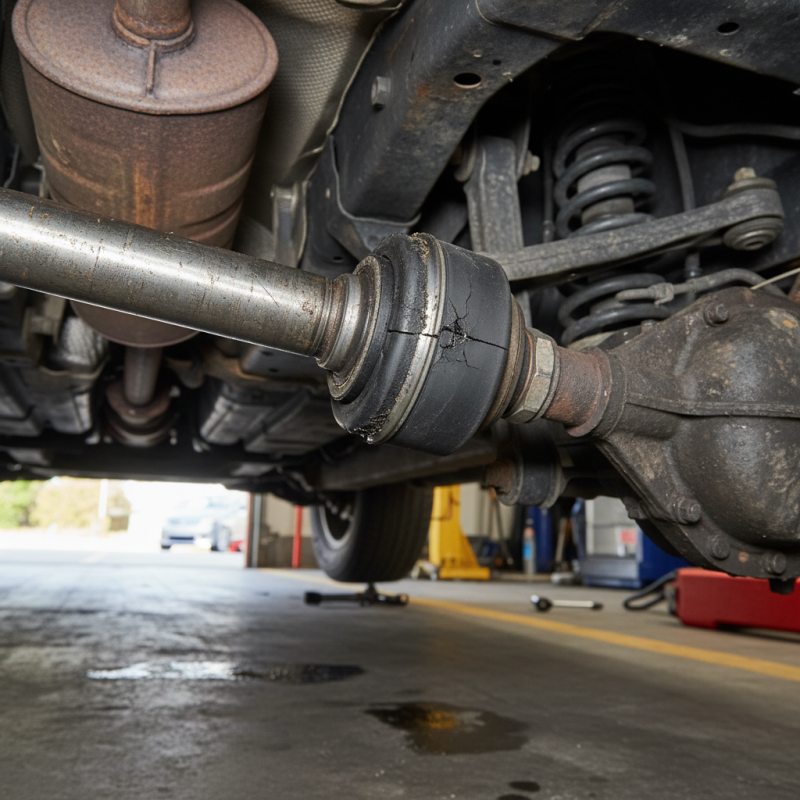
The center bearing plays a crucial role in vehicle performance. It supports the drive shaft and ensures smooth power transfer from the engine to the wheels. A malfunctioning center bearing can lead to vibration, noise, and reduced handling. Understanding these effects can save time and money on repairs.
Regular inspections can help identify early signs of wear. Look for unusual sounds or vibrations during acceleration. A study from the Society of Automotive Engineers suggests that nearly 30% of driveline issues stem from bearing failures. This highlights the importance of monitoring the center bearing’s condition.
Tip: Check for proper alignment. Misalignment can accelerate wear and tear. Keeping the drive shaft straight reduces strain on the center bearing. Additionally, listen for vibrations at certain speeds; this may indicate bearing issues. Addressing these signs early can prevent more severe problems later on. Remember, ignorance isn't bliss when it comes to vehicle maintenance.
Common Signs of Center Bearing Problems in Vehicles
Center bearing issues can affect your vehicle’s performance significantly. Common signs to watch for include unusual vibrations or noise coming from the driveshaft. If you hear clunking sounds, especially during acceleration or deceleration, this could indicate a problem. Additionally, if you notice your vehicle pulling to one side, it’s time to investigate further.
One tip is to regularly inspect your vehicle’s driveshaft and center bearing for wear and tear. Look for signs of rust or damage. Keeping these components clean can help prolong their life. Be aware of any changes in handling. This may reveal underlying issues.
Pay attention to how your vehicle sounds and feels. Are you getting vibrations? Are there odd noises? If so, don’t ignore them. It may be tempting to delay repairs, but this can lead to more serious problems down the line. Regular maintenance checks can help catch these issues early.
Step-by-Step Process to Diagnose Center Bearing Issues
Diagnosing center bearing issues can be tricky. Start by checking for visible wear and tear. Look for cracks or damage on the bearing itself. This could indicate problems. Listen for unusual noises when driving. A clunking or rumbling sound often points to bearing issues.
Next, inspect the driveshaft alignment. Misalignment can cause excessive wear on the bearing. A simple tool can help check this. Use a straight edge along the driveshaft to identify any discrepancies. If there’s an issue with alignment, it might require adjustment.
Finally, consider whether there are any vibrations while driving. Pay attention to different speeds. Vibration can signal a failing center bearing. Don’t overlook this symptom. It’s a sign you need to take action. Taking note of these details can lead to effective solutions. Don’t rush through these checks. A thorough diagnosis is crucial.
How to Troubleshoot Center Bearing Issues in Your Vehicle? - Step-by-Step Process to Diagnose Center Bearing Issues
| Step | Description | Common Symptoms | Tools Required |
| 1 | Inspect the center bearing for any visible damage or wear. | Vibrations, noise during acceleration | Visual inspection tools |
| 2 | Check the mounting points for any looseness or corrosion. | Clunking noise when shifting gears | Socket set |
| 3 | Test drive the vehicle to identify noise patterns during operation. | Humming or rumbling noise | Diagnostic scanner (optional) |
| 4 | Remove the driveshaft to access the center bearing. | Difficulty in shifting gears | Wrenches, jack stands |
| 5 | Replace the center bearing if damage is found. | Excessive vibrations at high speeds | Replacement bearing, grease |
Tools and Materials Needed for Center Bearing Troubleshooting
To troubleshoot center bearing issues, it’s important to gather the right tools and materials. Basic hand tools like wrenches and sockets are essential for easy access to the bearing. A jack and jack stands can help lift the vehicle safely. Ensure you have a torque wrench for proper bolt tightening once you go through the repair process.
It’s also wise to have some lubricants on hand. Grease can help with any parts that require extra care. A flashlight will aid in inspecting hard-to-see areas. Using a multimeter can assist in checking wiring issues if the bearing is part of an electronic system. It's easy to overlook small details, but they can play a crucial role. Some might forget to double-check their work or skip re-examining every part.
As you gather these tools, consider a notebook. Jot down observations about sounds or vibrations. This isn't just practical; it's also helpful for future reference. You might find your understanding improve through this process. Reflection on previous repairs can shape your approach, making you more effective in the long run.
Center Bearing Troubleshooting: Frequency of Issues
Repair or Replace: Making the Right Decision for Center Bearing Issues
When facing center bearing issues in your vehicle, deciding to repair or replace can be tricky. Center bearings play a crucial role in the support and alignment of the driveshaft, affecting overall vehicle performance. According to industry data, faulty center bearings can lead to vibrations and increased wear on other components. This adds stress to your budget. Regularly check for symptoms like unusual noises or vibrations. Catching problems early can save you headaches later.
Before making a decision, weigh the repair costs against replacement. Repairing a bearing might seem cheaper initially, but will it last? Research shows that many vehicle owners opt for replacement after one repair, as longevity is often compromised. If replacement is the route you choose, ensure quality parts are used. Short-term fixes may lead to long-term issues.
Tips: Always consult a professional mechanic for an accurate diagnosis. They can identify hidden problems. Monitor your vehicle’s performance regularly. This can help you stay ahead of issues. Remember, investing in quality repairs now can prevent costly repairs in the future.