
What Are the Top Types of Indexable Tooling?

Indexable Tooling uses replaceable cutting edges mounted in a reusable tool body. When an insert wears or chips, the operator can often rotate it or fit a replacement without discarding the holder. That can reduce changeover time, but results depend on the machine, setup, and cutting conditions. Small details matter.

Insert shape, grade, coating, and edge geometry influence how a tool handles heat, chip formation, and cutting forces. A sharp edge may suit one material, while a stronger edge can better tolerate interrupted cuts. That sounds tidy, but shop floors rarely are. Vibration, workholding, and coolant delivery can change the outcome.

A useful guide to the top types of Indexable Tooling should connect each design to its operation. Turning tools face, groove, or thread rotating workpieces. Milling cutters use multiple inserts to machine flat surfaces, shoulders, and pockets. Indexable drills create holes, while boring tools enlarge or finish existing ones. Grooving and threading tools need profiles matched closely to the required feature.

The categories overlap in practice. A cutter that performs well on a rigid machining center may struggle on a less stable setup. Material, spindle limits, insert availability, and manufacturer cutting data all deserve attention. This guide compares the main tooling types, explains where each is commonly used, and notes the trade-offs worth checking before a tool enters production. A test cut still teaches things a chart cannot.
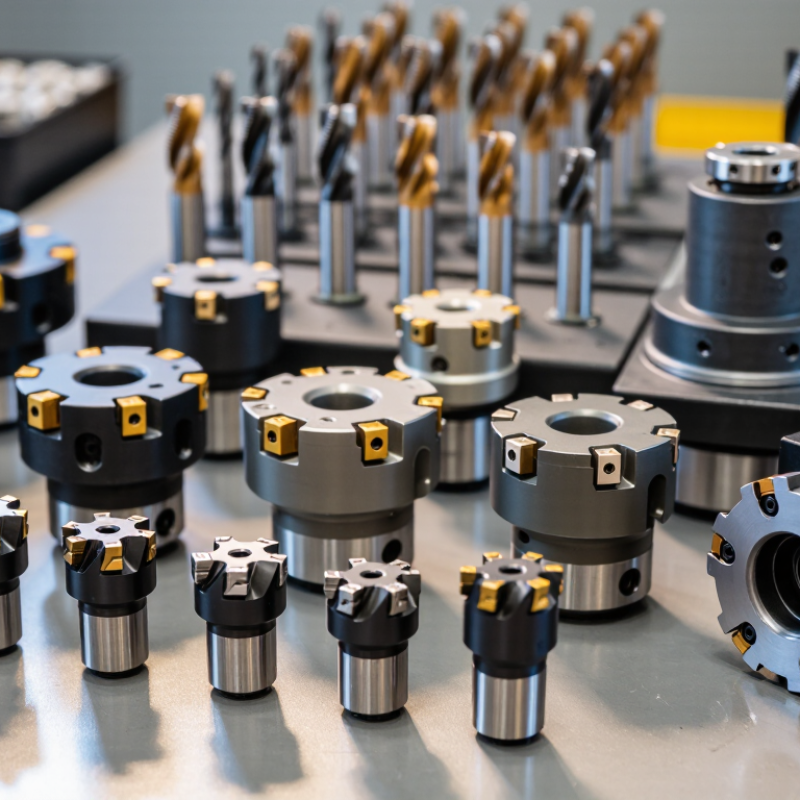
What Are the Top Types of Indexable Tooling?

How Indexable Tooling Works and How Its Main Types Are Classified

Indexable tooling uses a reusable tool body and replaceable cutting inserts. When an edge wears, the operator loosens the clamp, rotates or replaces the insert, and resets the tool. The body stays in service. That matters. Correct seating and clamping help maintain cutting accuracy, while the insert’s grade and geometry must suit the material, speed, and operation.

The main types are classified by the work they perform. Indexable turning tools cut rotating workpieces, while milling cutters use multiple inserts to remove material as the cutter spins. Indexable drills make holes; boring bars enlarge and refine existing ones. Threading tools form threads with specially shaped inserts. Classification can also depend on insert shape, mounting style, and cutting geometry. The categories overlap a little: a milling cutter may face, shoulder, or slot, depending on its design. In practice, selecting a tool involves more than naming its type. Check the machine’s rigidity, available clearance, and chip flow. A tiny insert may reach a narrow feature, but it can also feel less forgiving under heavy cutting loads. Tool catalogs simplify these choices; shop conditions do not always cooperate.

Indexable Tooling: Insert Shapes and Cutting Corners

Indexable tooling is commonly classified by operation: turning, milling, drilling, and boring. Inserts are also classified by shape. This chart compares the nominal corner counts of four polygonal insert shapes; the number of usable cutting edges can vary with insert geometry and tool design.

Indexable Turning Tools for External and Internal Cutting

Indexable turning tools use replaceable carbide inserts held in reusable toolholders. For external cutting, a rigid holder supports turning, facing, and profiling. A sharp insert can leave a clean shoulder; a poor geometry may push the workpiece or form a burr. Match the insert shape and nose radius to the part, material, and required finish. Small details matter.

Internal cutting uses boring bars fitted with indexable inserts. The bar must clear the bore while keeping overhang short, because excessive reach invites vibration and chatter. In a deep hole, chips can pack against the cutting edge. Choose suitable chip-breaker geometry and direct coolant where possible. Check clearance before increasing feed; it is easy to miss.

These choices sit within a growing machining landscape. Grand View Research’s CNC Machine Market Size, Share & Trends Analysis Report estimated the global CNC machine market at USD 101.22 billion in 2023 and projected 9.5% annual growth from 2024 to 2030. That figure covers CNC machines broadly, not indexable turning tools alone. Still, it underscores why reliable tool setup matters. One caveat: market growth cannot tell a shop which insert will work best. Test cuts, measured tool life, chip shape, and surface finish remain more useful for choosing between external and internal tooling.

Indexable Milling Cutters for Facing, Slotting, and Profiling

Indexable milling cutters make facing, slotting, and profiling practical with replaceable inserts rather than resharpened solid edges. For facing, a broad cutter with lead-angle inserts can leave a consistent surface across a plate. Watch the spindle load near the center; chip thinning and limited cutting speed can affect the finish. For slotting, choose a cutter narrower than the slot when possible, then widen the cut in controlled passes. Full-width engagement can increase heat and deflection. Profiling needs a cutter that clears the workpiece and evacuates chips around corners. A smaller nose radius may help reach details, but it can weaken the cutting edge.

The U.S. Cutting Tool Institute and AMT reported about $2.11 billion in U.S. cutting-tool consumption for 2023, down 6.4% from 2022. This broad market figure is not specific to indexable mills, but it reflects why tool life and repeatable setups matter to shops. Measure the insert seat, screw condition, and runout before blaming the cutting data. Small errors show up fast. I still see operators push feed rates before checking chip shape; that is not always the right move.

Tips: Match insert geometry to material and operation. Use short overhangs, clear chips between passes, and inspect the first machined face under consistent lighting. Keep one variable change at a time. A tidy finish can hide a poor setup.

Indexable Drilling and Boring Tools for Holemaking

Indexable drilling tools create holes efficiently by using replaceable cutting inserts rather than resharpened solid edges. The outer and center inserts may face different cutting conditions, so correct seating and insert condition matter. A loose screw or chipped edge can leave a rough entry and push the hole off size. Small details matter.

For production work, indexable drills can reduce tool-change delays, especially when operators keep suitable inserts close at hand. Their performance still depends on the setup. Check spindle runout, tool overhang, workpiece support, and the recommended feed range. Poor chip evacuation can score a bore or cause sudden edge damage, particularly in deeper holes. Coolant helps when the tool and material allow it, but it cannot fix a weak setup.

Boring tools take a different role: they enlarge an existing hole and help control its diameter, alignment, and surface finish. A small adjustment can change the result, so measure the bore rather than trusting the setting alone. Use a stable bar and avoid unnecessary overhang. There is no perfect insert choice for every job; material, depth, tolerance, and chip shape all matter. In practice, the first pass may reveal that the chosen feed was too cautious—or too ambitious.

What Are the Top Types of Indexable Tooling? - Indexable Drilling and Boring Tools for Holemaking
Tool Type Typical Configuration Primary Holemaking Use Key Selection Considerations
Indexable insert drills A drill body uses replaceable cutting inserts, commonly with a central insert and a peripheral insert. General-purpose drilling of holes in production machining, often where repeatable insert changes and productive cycle times are important. Check the tool’s diameter range, insert geometry, workpiece material, coolant delivery, and recommended drilling conditions. Insert positions may have different cutting roles.
Modular indexable drills A reusable holder accepts a replaceable cutting head or modular cutting section; the cutting design varies by system. Holemaking where changing the cutting end can reduce tool replacement time or allow one holder to serve multiple applications. Confirm the head-to-holder connection, permitted overhang, diameter compatibility, and whether the cutting end uses indexable inserts or a replaceable head.
Short-hole indexable drills Compact drill bodies with replaceable inserts, designed for relatively shallow hole depths. Shallow holes and common production drilling in components such as plates, housings, and machine parts. Match the drill’s depth capability to the hole, and provide suitable chip evacuation. A short, rigid setup generally helps maintain stability.
Deep-hole indexable drills Extended-reach drill designs, often with internal coolant passages and geometry intended to guide chips out of deeper holes. Deeper holes where chip control, coolant access, and tool guidance need particular attention. Check the tool’s depth-to-diameter capability and operating instructions. Deep-hole performance depends on alignment, coolant supply, machine setup, and material.
Indexable rough boring tools A boring bar or head carries replaceable cutting inserts and enlarges an existing hole. Removing material from drilled, cast, or pre-machined holes before a finishing operation. Consider bore diameter, bar stiffness, tool overhang, insert geometry, and allowance for the finishing cut. Vibration can limit surface quality and productivity.
Fine boring heads An adjustable boring head positions a cutting insert to make precise changes to the bore diameter. Finishing or accurately sizing a bore when diameter adjustment and controlled material removal are required. Use the adjustment method and resolution specified for the head. Verify the setting by measurement, and keep the assembly rigid and properly aligned.
Back-boring tools A specialized boring tool cuts from the far side of a through-hole after being passed through the initial opening. Machining a counterbore, recess, or enlarged section on the side opposite the tool entry. Confirm that the tool can pass through the pilot hole and that the machine setup provides adequate clearance for engagement and withdrawal.
Indexable boring bars A bar-mounted insert cuts the internal surface of a hole; different bar sizes and geometries suit different reaches and diameters. Internal turning operations such as enlarging, profiling, or finishing a bore on a lathe or suitable machining center. Select a bar diameter and overhang that provide adequate rigidity. Match insert geometry and cutting direction to the bore, material, and operation.

Indexable Threading and Grooving Tools for Specialized Cuts

What Are the Top Types of Indexable Tooling?

Indexable threading tools create external or internal threads with replaceable cutting inserts. The insert’s profile and pitch must match the thread specification. A rigid setup helps prevent chatter, especially when cutting deep threads or working with slender parts. For internal threading, check the boring bar’s reach and clearance before cutting. Small details matter. Even a suitable insert can produce rough flanks if the tool sits slightly off center.

Indexable grooving tools are designed for narrow cuts, reliefs, and parting operations. Their inserts come in different widths and shapes, allowing a shop to match the tool to a groove’s dimensions. Coolant access, chip flow, and tool overhang all affect the result. In a deep groove, chips can pack against the insert and damage the edge. A modest feed adjustment may help, but it is not a substitute for choosing a tool with enough reach and support. Not every setup has an easy fix.

Tips: Confirm the insert profile, width, and cutting direction before machining. Use a test cut to check thread fit or groove depth. Watch chip shape and listen for chatter; both can signal trouble. Keep a record of successful settings, but verify them when material or workholding changes.