Top Pipe End Chamfering Machines for Sale
Choosing among the Top Pipe End Chamfering Machines for Sale starts with the workpiece, not the sales brochure. Pipe material, diameter range, wall thickness, bevel angle, and production volume all shape the right choice. A machine that handles stainless steel smoothly may behave differently on carbon steel. Check the stated capacity against your actual pipe sizes, and ask how the machine manages clamping, tool changes, and repeatable edge preparation.
For a transparent editorial note, the quotation below is illustrative, not a verified statement from a real industry expert. Fictional equipment specialist Elena Ward puts the selection principle this way: “A clean chamfer begins with a stable pipe and a tool matched to the material.” Small details matter. Look for accessible controls, firm workholding, clear maintenance guidance, and a finish that supports your next welding or assembly step. Ask sellers for a live demonstration on comparable pipe, if possible. See the cut edge yourself.
This guide compares machine types, key specifications, operating considerations, and questions to ask before buying a Pipe end Chamfering Machine. It also distinguishes practical features from claims that need confirmation. A published speed figure alone cannot show how consistently a machine performs across different materials or operators. Some buying advice can sound more certain than the evidence allows. Treat it cautiously. Verify specifications with the manufacturer, review service support, and match the machine to your real production conditions. The best choice is not always the most automated one; setup time, operator skill, and maintenance access can change the calculation.
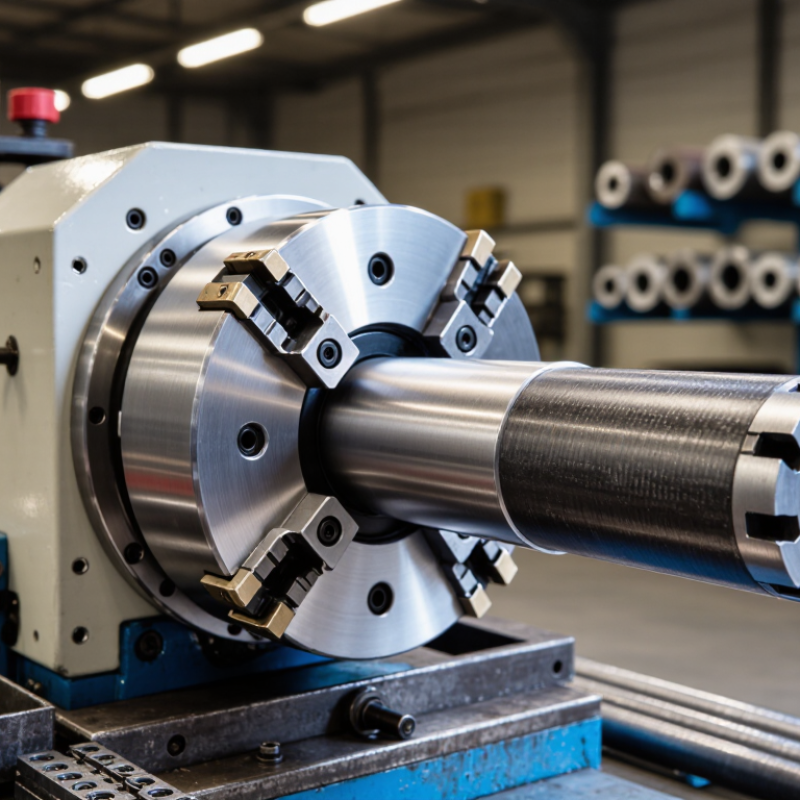
What Pipe End Chamfering Machines Do
A pipe end chamfering machine shapes the end of a pipe into a bevel, creating an edge prepared for welding or assembly. Depending on the machine and tooling, it can chamfer the inside, outside, or both edges. It may also remove burrs and leave a more even pipe face. The result is a more repeatable edge than hand grinding alone, though operator skill still matters. Fit-up improves. But it is not magic.
Bevel geometry affects joint preparation. ASME B16.25-2022, Buttwelding Ends, covers requirements for preparing buttwelding ends, including bevel details. A machine helps operators produce consistent results, but the correct angle and land depend on the job specification. The U.S. Bureau of Labor Statistics reported 2.8 recordable injury and illness cases per 100 full-time workers in manufacturing in 2023. That figure is not specific to chamfering machines, but it underlines why guarding, stable clamping, and safe chip removal deserve attention.
Tips: Check the pipe material, diameter, wall thickness, and required bevel before setup. Secure the pipe firmly, then inspect the first cut with a gauge. A bright, smooth edge is useful, but appearance alone cannot confirm dimensions. Recheck the tooling as it wears. A small mismatch can still create trouble during fit-up.
Main Types of Pipe End Chamfering Machines
Top Pipe End Chamfering Machines for Sale
Main Types of Pipe End Chamfering Machines
Pipe end chamfering machines generally fall into stationary, portable, and CNC-controlled types. Stationary machines suit repeat work in fabrication shops. Operators secure the pipe, then use cutting heads to bevel its inner edge, outer edge, or both. They offer stable setups, but need floor space and correctly sized tooling.
Portable machines clamp directly to a pipe, making them useful for repairs or work on large sections that are difficult to move. Many use a hand or powered feed, so results depend partly on setup and operator control. CNC models handle programmed angles and repeat cuts across production runs. They can improve consistency, though programming and tooling still require care.
Tips: Match the machine’s capacity to the pipe’s outside diameter, wall thickness, and material. Check how quickly cutting inserts can be changed. A neat bevel matters. Still, a machine rated for a certain diameter may struggle with thick-walled pipe; verify its cutting range with a sample or a detailed specification before buying.
How to Choose a Machine for Your Pipework
Choosing a pipe end chamfering machine starts with the pipes you actually process. Check the outside diameter range, wall thickness, material, and required bevel angle. A machine suited to thin stainless tubing may struggle with thick-walled steel. Fit matters. Confirm that its clamps hold your pipe securely without crushing or slipping, especially when dimensions vary between jobs.
Consider how often the machine will run and where it will be used. A portable unit can suit occasional site work, while a heavier machine may offer steadier support in a busy workshop. Check the adjustment method, cutting tool availability, replacement costs, and access to routine maintenance. Test a sample. The finished edge should be even, free of excessive burrs, and ready for welding or fitting without extra cleanup. Ask whether the seller can demonstrate the machine on a pipe matching your material and size.
It is easy to focus on maximum capacity and overlook setup time. That can be a costly mistake when operators change pipe sizes throughout the day. Compare cycle time, repeatability, guarding, and the clarity of operating instructions. A machine with fewer features may be the better choice if it delivers consistent results and is straightforward to maintain. Still, published specifications rarely tell the whole story; a short trial with your own pipe is more convincing.
Top Pipe End Chamfering Machines for Sale — How to Choose a Machine for Your Pipework
Standard pipe outside diameter varies by nominal pipe size (NPS). Check the machine’s stated capacity against the pipe’s actual outside diameter, not its NPS alone.
Outside diameters shown are standard dimensions in ASME B36.10M. Wall thickness and material can also affect machine suitability.
Where to Find Pipe End Chamfering Machines for Sale
To find pipe end chamfering machines for sale, compare industrial machinery distributors, specialist fabrication-equipment dealers, and reputable used-equipment marketplaces. The World Steel Association’s October 2024 Short Range Outlook projected global steel demand at 1.75 billion tonnes in 2024, with growth expected in 2025. This is a broad market indicator, not a measure of chamfering-machine sales, but it shows why fabrication capacity remains relevant. Match each listing to your pipe’s outside diameter, wall thickness, material, and required bevel angle. Small details matter.
Ask sellers for a live demonstration on pipe similar to yours, not just a polished catalogue video. Check cutting consistency, clamping stability, cycle time, tooling availability, and whether setup instructions are included. For used machines, request maintenance records and inspect the spindle, feed mechanism, and electrical controls. A low price can hide costly wear. Ask for proof.
Before ordering, confirm delivery, installation, operator training, warranty terms, and access to replacement parts. I would still treat seller claims cautiously; a short test on your actual material can reveal problems that a specification sheet misses.