

7 Smart Water Flow Meter Buying Tips for Buyers
Choosing a Smart Water Flow Meter is not just a matter of matching pipe size. The right model depends on flow range, water quality, operating pressure, installation conditions, and the readings your team needs. A meter designed for a steady process line may perform differently in a building with changing demand. Small details matter. A narrow flow range or unsuitable connection can affect measurement quality and make installation harder.
Before comparing prices, record the pipe diameter, expected minimum and maximum flow, water temperature, and available power or signal connections. Check the manufacturer’s specifications, including stated accuracy, pressure limits, compatible materials, and maintenance requirements. If the application involves unusual water conditions, verify compatibility with the supplier rather than assuming a standard model will work. That step is easy to skip. It can also prevent an avoidable mismatch.
This guide presents seven practical buying tips to help buyers compare options with clearer criteria. It covers measurement needs, meter technology, installation, data output, durability, service support, and total ownership costs. Consider how readings will be used, too: a display may be enough for occasional checks, while remote monitoring can help teams track consumption over time. No checklist replaces application-specific review. I would not select a meter from a product photo or headline specification alone. Confirm critical details with current product documentation and, where needed, a qualified installer.
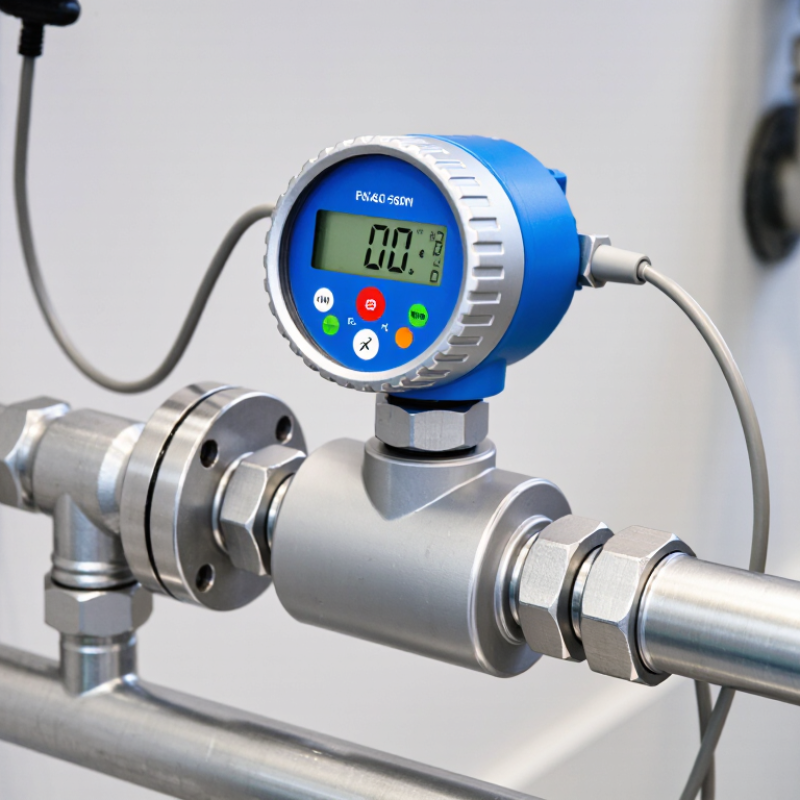
Define Water Monitoring Needs and Measurement Goals
Define the decision your meter must support before comparing specifications. A building tracking overnight leaks needs reliable low-flow readings; an irrigation system may prioritize peak flow and seasonal totals. Set a measurable target, such as detecting a 0.2-gallon-per-minute flow after hours or comparing water use across zones. Small flows matter. The threshold should reflect site conditions, not just a catalog claim.
The USGS report Estimated Use of Water in the United States in 2015 put national withdrawals at about 322 billion gallons per day, with irrigation accounting for roughly 42 percent. For homes, EPA WaterSense reports that leaks can waste nearly 10,000 gallons annually; 10 percent of homes have leaks wasting at least 90 gallons daily.
Check expected minimum and peak flow, pipe diameter, water temperature, pressure, and the data interval required. Confirm that readings can feed the system you actually use.
I have seen buyers focus on pipe size alone; it is an easy mistake. A short site survey may reveal that the smallest flow, not the busiest hour, drives the purchase.
My first estimate may still be rough, so record a baseline before final selection.
Compare Smart Flow Meter Types and System Compatibility
Choosing a smart flow meter starts with the pipe and the data system already in place. Mechanical meters suit many established networks and can often provide pulse outputs for retrofit monitoring. Ultrasonic meters avoid moving parts, but their accuracy can depend on pipe condition and installation. Electromagnetic meters suit conductive liquids, though they require power and compatible pipe arrangements. Check the flow range, pipe diameter, pressure, and required straight-pipe distance before comparing prices.
Then check how readings will reach your existing platform. Wired M-Bus or Modbus may fit a building management system; cellular or LoRaWAN can help where cabling is difficult. Confirm that the meter’s output, data format, network coverage, and software interface match your gateway. A clever sensor is not useful if its readings cannot enter the billing or maintenance workflow. Compatibility is easy to underestimate.
The U.S. EPA’s 2023 Drinking Water Infrastructure Needs Survey and Assessment estimated $625 billion in drinking-water infrastructure needs over 20 years. That scale makes replacement planning and integration practical buying concerns, not minor details. Ask suppliers for installation drawings, communication specifications, and test results at low and peak flow. I would still verify those details on site; plans do not always reflect older pipework.
Check Accuracy, Flow Range, and Operating Conditions
When comparing water flow meters, check accuracy across the flow rates you actually expect, not only the best-case figure in a specification sheet. A meter may perform well near its maximum capacity but read less reliably when a building uses only a small stream. Small flows matter. Compare the stated measuring range with peak demand and typical overnight use. Look for accuracy information across that range, and note whether it applies under particular installation conditions. A tiny error can add up over months, especially when readings guide maintenance or billing decisions.
Operating conditions deserve equal attention. Confirm that the meter suits the water temperature and pressure in your system, including occasional spikes. Check the pipe diameter, mounting direction, and required straight pipe lengths before ordering; a crowded pipe room may not provide the recommended space. Water containing sediment or bubbles can also affect some meter designs, so consider the actual water quality rather than assuming it is clean. Ask how often calibration or inspection is recommended, and whether readings remain stable as conditions change. Specifications can look clear on a screen. The fit in the pipe is less forgiving. Buyers sometimes focus on the accuracy number and overlook operating limits; that is an easy mistake to make.
Evaluate Connectivity, Data Features, and Installation Requirements
A smart water flow meter should fit the way your site already moves data. Check whether it supports a wired output, a building network, or a wireless connection, then confirm the receiver can read it. A signal that works beside the meter may weaken behind concrete walls or inside a metal utility cabinet. Check the signal. For remote sites, ask about power use, coverage, and what happens during an outage. A short trial in the actual meter location can reveal problems before purchase.
Data features matter only when staff can use the readings. Look for clear units, adjustable reporting intervals, time-stamped records, and exports compatible with your monitoring system. Leak alerts can help, but confirm their thresholds and delay; a brief pressure change should not create a flood of false alarms. Local data storage is useful when the network drops. Small details matter. Installation needs equal attention: verify pipe size, flow direction, permitted orientation, and required straight pipe lengths in the installation guide. Check access for shutoff valves and future servicing, too. An awkward fit can turn a simple replacement into extra labor. After installation, compare readings with a trusted reference under steady flow. That check may take longer than expected, but skipping it leaves accuracy uncertain.
Compare Total Cost, Certifications, and Ongoing Support
A smart water flow meter’s purchase price is only the visible part of its cost. Compare installation, batteries or power, communications fees, software, calibration, and replacement parts across the meter’s expected service life. The U.S. Environmental Protection Agency’s 2023 Drinking Water Infrastructure Needs Survey estimated $625 billion in drinking-water infrastructure needs over 20 years. That figure covers far more than meters, but it underscores why buyers should budget for maintenance and dependable operation, not just equipment. Small print matters.
Ask for written certification details, including the applicable measurement standard and drinking-water material approvals. Requirements vary by use and location, so check with the relevant utility or authority rather than relying on a sales claim. Then test support before buying: Who diagnoses a failed reading? How quickly are replacement units shipped? Is data export included, or billed separately? EPA WaterSense reports that household leaks can waste nearly 10,000 gallons annually, making timely alerts useful—but only if someone can act on them. A practical pilot can expose weak signal coverage, confusing dashboards, or slow support. I would not assume the pilot predicts every field condition; it rarely does.
7 Smart Water Flow Meter Buying Tips for Buyers - Compare Total Cost, Certifications, and Ongoing Support
| Buying Tip | What to Compare | Practical Checks | Total-Cost Considerations | Certifications and Support |
|---|---|---|---|---|
| 1. Match the meter to the application | Water quality, pipe size, flow range, pressure, temperature, and whether the installation is for billing, monitoring, or process control. | Record expected minimum, normal, and peak flow; pipe material; available straight-run length; and installation environment before requesting quotes. | A low purchase price may not offset extra adapters, pipe modifications, commissioning, or a meter that performs poorly at the actual flow range. | Confirm that the meter’s stated operating limits and intended use are documented in its technical data sheet. |
| 2. Compare measurement technology | Mechanical meters use moving parts; electromagnetic meters measure conductive liquids; ultrasonic meters use sound signals and may be inline or clamp-on. | Check whether the water’s conductivity suits an electromagnetic meter. For clamp-on ultrasonic meters, verify pipe material, wall thickness, lining, and surface condition requirements. | Consider installation labor, potential pressure loss, maintenance needs, and whether pipe cutting or shutdown is required. | Ask for application-specific accuracy information and installation instructions rather than relying on technology labels alone. |
| 3. Evaluate performance across the flow range | Accuracy specification, minimum measurable flow, repeatability, and performance at both low and peak demand. | Compare specifications under similar reference conditions and check whether the meter’s flow range covers the site’s measured or estimated demand. | Undersizing can restrict peak flow; oversizing can make low-flow measurement less suitable. Either can create avoidable operating or replacement costs. | Request calibration documentation and clarify how performance is verified after installation. |
| 4. Check approvals for the intended market | Local legal-metrology requirements, potable-water contact requirements, and any project or utility specifications. | For regulated measurement, confirm which approvals are accepted by the authority responsible for the installation. For drinking-water use, check applicable material and health-effect requirements. | Non-compliant equipment may require replacement or additional approval work. Confirm requirements before purchase, not after delivery. | Depending on the market and use, relevant references may include OIML R 49 or ISO 4064 for water meters, and NSF/ANSI/CAN 61 or NSF/ANSI/CAN 372 for applicable drinking-water system components. Verify the exact scope and current local requirements. |
| 5. Calculate the complete installed cost | Meter price plus fittings, wiring, power supply, communications, installation, commissioning, calibration, and any required shutdown. | Request an itemized quote and confirm which accessories, configuration, testing, and site work are included. | Compare the same scope across quotes. Include expected maintenance, battery or power needs, and replacement parts over the planned service period. | Ask whether setup assistance, configuration tools, and commissioning support are included or charged separately. |
| 6. Verify data and system compatibility | Output options, pulse scaling, communication protocols, data logging, power requirements, and compatibility with existing monitoring systems. | Confirm electrical ratings, wiring details, signal format, and required integration hardware with the controls or utility team. | Integration gateways, cabling, software, and ongoing connectivity can add costs beyond the meter itself. | Request interface documentation and confirm availability of configuration help, firmware information, and compatible replacement components. |
| 7. Assess warranty and ongoing support | Warranty coverage, service response, repair or replacement process, spare-part availability, and technical support access. | Check warranty exclusions, required maintenance, return procedures, and whether support is available in the required language and time zone. | A longer warranty is useful only if its terms, service logistics, and replacement arrangements suit the site’s operating needs. | Request written warranty terms, support contact details, maintenance guidance, and a clear process for troubleshooting or service. |
Note: Requirements, approvals, installation costs, and performance depend on the meter design, site conditions, and jurisdiction. Confirm specifications and regulatory acceptance for the exact application before ordering.

