What is a Sandblast Rubber Hose and its Uses?
A Sandblast rubber hose is a critical component in various abrasive and industrial applications. Engineered to withstand high pressure and temperature, this hose is essential for sandblasting operations. It allows for the safe transport of abrasive materials, ensuring effective cleaning and surface preparation.
The durability of a sandblast rubber hose makes it suitable for different environments. Its construction often includes multiple layers for added strength, resistant to wear and tear. However, users should regularly inspect hoses for signs of damage. A worn hose can lead to operational issues, and neglecting maintenance may result in inefficient sandblasting.
In addition to sandblasting, this versatile hose can also be used in other applications. Various industries rely on it for tasks like mining, construction, or even artistic projects. However, understanding its limitations is important. Choosing the right hose requires consideration of the specific application and conditions in which it will be used.
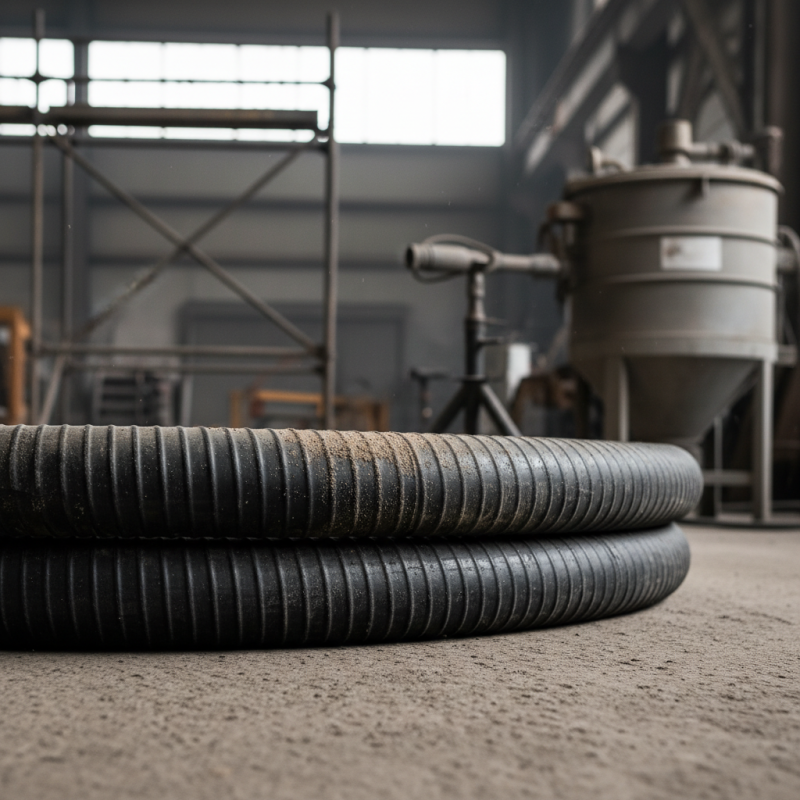
What is a Sandblast Rubber Hose?
A sandblast rubber hose is a specialized type of hose used in sandblasting applications. Sandblasting involves propelling abrasive materials against surfaces to clean or prepare them. The rubber hose is designed to withstand high pressure and extreme wear, making it crucial for effective operations. Typically, these hoses come in various lengths and diameters, catering to different sandblasting needs.
The materials used in sandblast hoses are robust. They are often reinforced with layers of fabric or steel wire. This construction helps the hose endure the harsh conditions of sandblasting. However, not every sandblast hose is the same. Some may wear out quicker than expected due to inappropriate use or environmental factors. Choosing the right hose for the job is essential to maintain efficiency and prevent damage.
Many industries utilize these hoses, from automotive to construction. The versatility of sandblast hoses allows for various applications, including surface preparation and paint removal. However, it's vital to regularly inspect them for any signs of wear. Ignoring this can lead to accidents and inefficiencies in blasting operations. Proper maintenance also extends the lifespan of the hoses, which can be beneficial.
Key Materials Used in Sandblast Rubber Hose Construction
When it comes to sandblast rubber hoses, the materials play a crucial role in their performance. A typical sandblast hose requires a rubber exterior that can withstand abrasion. This outer layer protects the hose from wear and tear during operation. Inside, these hoses often use synthetic rubber blends. These blends help maintain flexibility and resistance to cracking.
Reinforcement is key. Many sandblast hoses contain layers of textile or steel wires. This boost in strength ensures the hose can handle high pressure without bursting. The inner tube is designed to hold abrasive materials like sand. This requires durability and the ability to resist gouging. It's amazing how these components work together to create a reliable tool for tough jobs.
While these materials are effective, challenges remain. For instance, exposure to chemicals can degrade the rubber. Environmental factors can also reduce the hose's lifespan. Regular inspections and proper maintenance are necessary to address these issues. Finding the right balance between strength and flexibility can be tricky. It's essential to be aware of these factors for optimal use.
Common Applications of Sandblast Rubber Hoses in Industry
Sandblast rubber hoses are essential tools in various industries. Their main function is to transfer abrasive materials during sandblasting processes. These hoses are designed to withstand high-pressure environments. They often feature enhanced durability and flexibility, which aids in maneuvering during operations. According to industry reports, the global sandblasting equipment market is projected to grow at a CAGR of 5.7% from 2021 to 2026. This indicates a rising demand for reliable sandblast hoses.
In construction and manufacturing, sandblast hoses play a critical role. They are used for surface preparation, coating, and cleaning. A common application is in the aerospace sector, where they help prepare surfaces for painting. These hoses can handle temperatures up to 200°F, making them suitable for various tasks. However, issues often arise with wear and tear over time. Regular inspection of hoses is necessary to prevent failures during use.
In the automotive industry, sandblast hoses are invaluable in restoring old parts. They effectively remove rust and paint, preparing surfaces for refinishing. However, improper handling can lead to premature damage. It’s crucial to select the right diameter and length for specific applications. Promising research suggests these hoses can last longer with proper maintenance. Attention to detail can significantly impact performance and safety outcomes.
Performance Standards and Specifications for Sandblast Hoses
Sandblast rubber hoses are essential tools for various industrial applications. They are engineered to withstand the rigors of abrasive materials and high-pressure environments. According to a report by the Hose Manufacturers Association, sandblast hoses must meet specific performance standards to ensure safety and efficiency. These standards include flexibility, durability, and resistance to abrasion and weather.
Typically, sandblast hoses are subjected to rigorous testing. For instance, they must endure pressures up to 150 PSI, making it critical to monitor the material's integrity. Studies indicate that using subpar hoses can result in increased downtime and repair costs. A neglected hose can wear out unevenly, leading to performance issues during operations. It’s alarming how many companies overlook the importance of these standards, risking accidents and lost productivity.
Moreover, the specifications for sandblast hoses often include a robust outer layer to protect against external damage. A minimum of 5/8-inch internal diameter is common for most applications. However, not every hose on the market complies fully with these standards. Operators should stay vigilant and regularly inspect their hoses, as wear and tear can be deceptive. Ignoring these details could lead to operational failures, costing more in the long run.
What is a Sandblast Rubber Hose and its Uses?
| Property | Specification |
| Material | Natural Rubber or Synthetic Rubber |
| Temperature Range | -20°F to 150°F (-29°C to 65°C) |
| Working Pressure | Up to 150 psi |
| Applications | Sandblasting, Abrasive Blasting, Painting, and Surface Preparation |
| Reinforcement Type | Textile Reinforcement or Steel Wire Braided |
| Available Sizes | 1 inch to 4 inches in diameter |
| Compliance Standards | ISO 1307, SAE J517 |
Maintenance Tips for Extending Sandblast Rubber Hose Lifespan
Maintaining a sandblast rubber hose is crucial for optimal performance and longevity. Regular inspections help detect issues early. The average lifespan of a sandblast hose is around 5 to 10 years, depending largely on usage and maintenance practices. A report from the Industrial Hose Association shows that proper care can extend the hose’s life significantly.
When using a sandblast rubber hose, always store it in a cool, dry place. Avoid direct sunlight and extreme temperatures, as these factors can degrade the rubber. Additionally, check for signs of wear or abrasion regularly. Even small cracks can lead to major failures.
Tips for extending the lifespan include periodic cleaning to remove abrasive particles. Use a gentle soap solution. Be mindful of kinks or bends in the hose. They can create weak points over time. If you notice any deformation, consider replacing the affected section to prevent further damage. Keeping the hose properly coiled prevents unnecessary stress. Regular maintenance ensures the hose operates efficiently and safely.
Sandblast Rubber Hose Usage and Maintenance Overview