What Is the Price of a Coil Expander Machine?
Buying a coil expander machine rarely begins with a simple price tag. Buyers usually ask, “What is the Coil Expander Machine Price?” The honest answer depends on capacity, expansion range, automation, material grade, and supplier support. A compact workshop model may cost far less than a heavy-duty production line handling large steel coils.
Markus Keller, an industrial coil-processing consultant with more than two decades of plant experience, says, “The cheapest machine is often the most expensive after installation.” His observation reflects what engineers see on factory floors. A machine may look affordable online, yet freight, tooling, electrical upgrades, commissioning, and operator training can change the final figure. Small details matter. Even a wider mandrel can increase the price.
This guide examines realistic pricing factors without pretending that one number fits every buyer. It considers machine size, hydraulic performance, control systems, safety features, maintenance access, and expected production volume. It also explains how to compare quotations fairly. Some suppliers list only the base machine. Others include spare parts and installation. That difference can be confusing.
I have found that specifications often reveal more than promotional photographs. A clean brochure does not prove reliable performance. Buyers should request test videos, factory references, warranty terms, and a detailed commercial quotation. Mistakes still happen, especially when output targets are unclear. Therefore, the best Coil Expander Machine Price is not necessarily the lowest offer. It is the price that matches dependable production, measurable service support, and long-term operating needs.
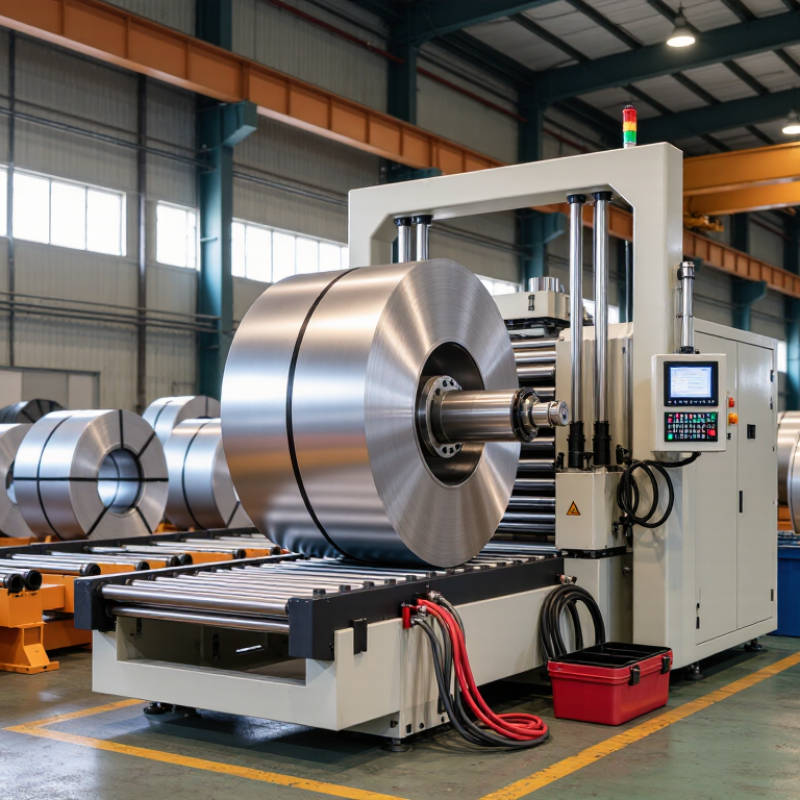
What Is a Coil Expander Machine?
A coil expander machine is industrial equipment used to enlarge and shape preformed electrical coils. It helps coils fit accurately inside motor, generator, or transformer slots. The machine applies controlled force through expanding jaws, dies, or hydraulic tooling. This process improves dimensional consistency and reduces manual adjustment during assembly.
The coil is placed into a fixture before expansion begins. An operator selects the expansion distance, pressure, and cycle speed. Sensors may monitor movement and prevent excessive force. In practical production, accurate tooling matters as much as machine power. A poorly supported coil can twist, crack insulation, or develop uneven sides. Skilled technicians inspect the coil before and after processing. Small defects are easy to miss. That assumption needs questioning.
The price of a coil expander machine depends on capacity, control systems, tooling, and automation. A basic manual unit may cost less than a programmable hydraulic model. Custom dies, safety systems, installation, and operator training can raise the final investment. Buyers should request a detailed quotation covering delivery, testing, spare parts, and maintenance. A low purchase price may hide expensive tooling changes later. The most reliable choice matches the machine’s force range, coil dimensions, production volume, and required accuracy.
What Is the Price of a Coil Expander Machine? - What Is a Coil Expander Machine?
Indicative equipment price ranges in USD for new machines. Actual prices vary according to tooling, automation, specifications, shipping, taxes, installation, and service requirements. | Machine Configuration | Typical Application | Typical Tube Diameter | Typical Production Capacity | Indicative Price Range | Typical Lead Time |
| Manual or Hand-Operated Expander | Small repair shops, prototypes, and low-volume HVAC coil work | 6–16 mm | Approximately 10–30 tubes per minute | US$1,500–US$5,000 | 2–8 weeks |
| Pneumatic or Semi-Automatic Expander | Regular production of small and medium heat-exchanger coils | 6–19 mm | Approximately 30–80 tubes per minute | US$8,000–US$25,000 | 4–12 weeks |
| Automatic Hydraulic Expander | Medium- to high-volume production of HVAC and refrigeration coils | 6–25 mm | Approximately 60–150 tubes per minute | US$25,000–US$80,000 | 8–20 weeks |
| CNC Programmable Expander | Flexible production with multiple coil sizes and stored programs | 6–32 mm | Approximately 100–250 tubes per minute | US$60,000–US$180,000 | 12–28 weeks |
| Integrated Coil Expansion Line | Large-scale production with tube insertion, expansion, and handling automation | 6–32 mm | Approximately 150–400 tubes per minute | US$150,000–US$450,000+ | 20–40 weeks |
What a coil expander machine does: It mechanically expands coil tubes so they make firm contact with the surrounding fins, improving heat transfer and maintaining the structural integrity of the heat-exchanger assembly.
Main factors affecting price: automation level, tube diameter range, coil dimensions, number of expansion heads, hydraulic or pneumatic power, CNC controls, changeover tooling, safety systems, installation, operator training, shipping, and after-sales service.
Which Factors Determine Its Purchase Price?
What Is the Price of a Coil Expander Machine?
Which Factors Determine Its Purchase Price?
The purchase price of a coil expander machine depends on its working capacity, construction, and control system. Machines handling wider or heavier coils usually require stronger frames, larger motors, and reinforced expansion tools. These features increase manufacturing costs. Material compatibility matters too. Stainless steel, aluminum, and specialized alloys may require different tooling and adjustment systems. A basic manual model can cost less, while automated feeding, digital controls, and real-time monitoring raise the investment.
Customization often changes the quotation. Coil diameter, expansion range, production speed, and available floor space should be measured before contacting a supplier. Installation, operator training, shipping, spare tooling, and maintenance support can also affect the final price. A low initial quotation may exclude these services. That can create an unpleasant surprise later. From a practical purchasing perspective, comparing total ownership cost is more reliable than comparing machine prices alone. Still, buyers sometimes overestimate automation and underestimate daily maintenance.
Tips: Request an itemized quotation. Confirm included tooling, warranty terms, delivery conditions, and acceptance testing. Ask for sample production results using your actual coil specifications. Check whether replacement parts are locally available. Keep records of energy use and maintenance time during evaluation. A useful comparison includes productivity, setup time, safety features, and expected service life. Do not ignore operator feedback. They often notice awkward adjustments before management does.
How Do Machine Types Affect Overall Cost?
The price of a coil expander machine depends heavily on its operating design. A basic manual unit may cost about $3,000 to $10,000. It suits small workshops with limited production and frequent product changes. Labor remains a major expense.
Semi-automatic machines often range from $15,000 to $40,000. They add powered expansion, adjustable controls, and faster loading. A CNC or fully automatic model can exceed $50,000 and reach $150,000 or more. These machines support repeatable dimensions, higher output, and reduced operator involvement. However, automation only pays off when production volume justifies it. A slow factory may gain little from expensive controls.
Tooling also changes the final price. A machine for 500-millimeter coils may cost less than one handling 2,000-millimeter coils. Heavy frames, stronger motors, sensors, and custom mandrels increase the quotation. Installation, training, shipping, and electrical upgrades can add 10% to 25%. Maintenance should be checked carefully. Replacement seals and specialized tooling are not always included.
From practical purchasing comparisons, the cheapest quotation is rarely the lowest total cost. I would request sample-cycle testing before ordering. Ask for expansion accuracy, cycle time, and power consumption. These details expose weak assumptions. Estimates remain imperfect because local labor and service costs differ. A reliable buyer should compare five-year operating costs, not only the purchase price. Small details matter.
What Additional Expenses Should Buyers Expect?
What Is the Price of a Coil Expander Machine?
What Additional Expenses Should Buyers Expect?
The purchase price is only one part of a coil expander machine’s cost. Buyers should budget for freight, insurance, import charges, and local handling. A large machine may require reinforced flooring and specialist unloading equipment. These details can change the final invoice quickly.
Tooling is another significant expense. Different coil sizes may need different mandrels, dies, or expansion heads. Ask whether standard tooling is included in the quotation. Replacement parts also matter. Seals, sensors, cutters, and hydraulic components need planned maintenance. A low initial price can become expensive if essential spares arrive slowly. That is an easy mistake.
Installation may require electricians, mechanical technicians, and compressed-air connections. Some facilities need new power cables, ventilation, or safety guarding. Operator training adds cost, especially when several shifts use the machine. Calibration and inspection should also appear in the budget. Without accurate settings, material waste and rework can reduce production savings.
Buyers should request a detailed ownership estimate, not only a machine price. Compare energy use, service intervals, tooling life, and expected downtime. Ask for written warranty terms and response times. Local support can be valuable. However, it should not replace technical verification.
A careful quote should separate one-time costs from recurring expenses. Tax treatment and delivery conditions deserve close review. Estimates are never perfect. Leave room for site changes and unexpected installation work.
How Can Buyers Evaluate Value and Long-Term Return?
What Is the Price of a Coil Expander Machine?
The purchase price is only one part of a coil expander machine’s value. Buyers should compare capacity, expansion accuracy, automation, and expected working hours. A cheaper machine may require more manual adjustments. That can increase labor costs every shift. Ask for production data from materials similar to your own coils. Steel thickness, coil width, and expansion force can change performance significantly.
Calculate the cost per finished coil, not only the invoice price. Include installation, operator training, electricity, tooling, maintenance, and replacement parts. A machine producing 40 coils per hour may offer better value than one producing 25. However, speed means little if defects cause frequent rework. Request a practical demonstration using your material. Check setup time, noise, access to service points, and measurement repeatability. Small details matter.
Long-term return also depends on support after delivery. Confirm response times, spare-part availability, software updates, and technician training. A written maintenance schedule helps estimate downtime. Inspect the frame, drive system, safety controls, and adjustment mechanisms before purchase. These checks are not exciting, but they prevent expensive surprises. No spreadsheet predicts every failure. My own cost estimates would be too optimistic without a downtime allowance. Buyers should test their assumptions against real production records. A reliable machine should remain useful as order sizes, materials, and operators change.
What Is the Price of a Coil Expander Machine?
A realistic purchase budget for an industrial coil expander machine commonly depends on throughput, automation level, tooling, installation requirements, and after-sales support. The chart compares representative planning estimates in USD for three machine classes.
The purchase price is only part of the investment. Buyers should also evaluate installation, tooling, preventive maintenance, energy use, operator requirements, and expected production volume. A higher-priced automated machine may provide better long-term value when it reduces labor, setup time, scrap, and unplanned downtime.