
7 Pickleball Paddle Ball Buying Tips for Global Buyers
Choosing a Pickleball Paddle Ball for an international market takes more than comparing colors or prices. A paddle that feels steady in a player’s hand may still disappoint if its grip is too large, its face lacks the desired response, or its weight feels tiring after several games. The ball matters, too. Hole pattern, bounce, durability, and indoor or outdoor use can change how it performs on a court.
Pickleball coach Mark Renneson’s practical perspective can be paraphrased this way: “Choose equipment for the game you actually play, not the product photo.” This is a guiding principle, not a verified verbatim quotation. It points buyers toward useful checks: handle length, paddle balance, surface texture, ball construction, and consistency across samples. Hold the paddle, if possible. Bounce-test the ball. Small differences become obvious quickly.
Global buyers also need clear product specifications, reliable packaging, and communication with suppliers about sample variation and shipping conditions. Ask what testing has been performed, and confirm whether the equipment suits recreational play or a particular competition setting. Requirements and preferences can differ by market, so current event specifications should be checked before ordering in bulk.
There is no perfect choice for every player. That is easy to forget. A lower price may look attractive, but a poorly matched paddle or inconsistent ball can cost more in returns and lost trust. The seven buying tips that follow offer a practical framework for comparing options, asking better questions, and making a more informed purchase.
Identify Playing Needs and Target Markets
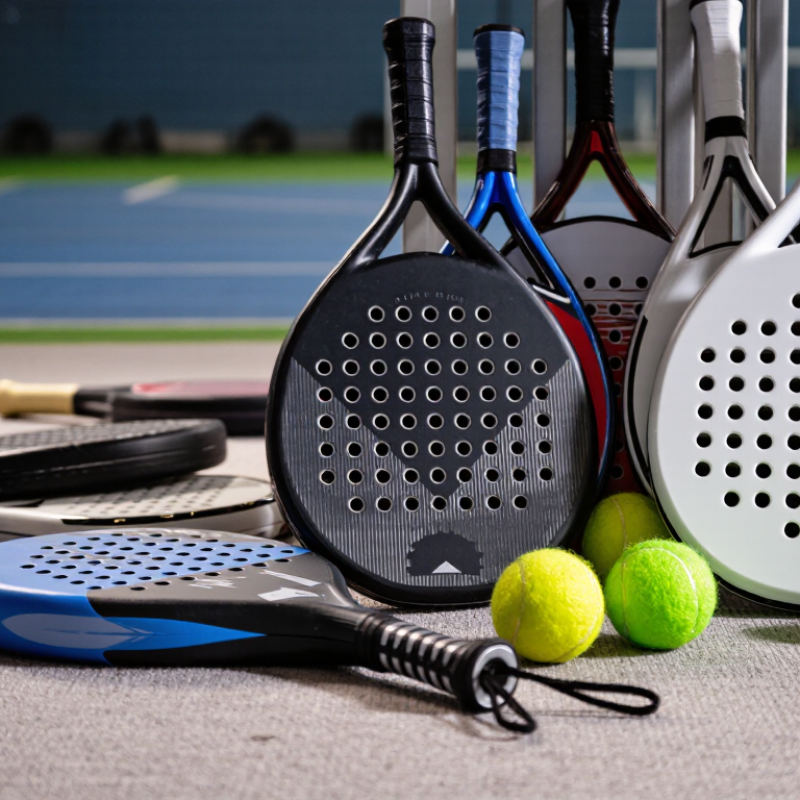
Before sourcing pickleball paddles and balls, define who will use them and where. A community center running beginner sessions may need forgiving, durable equipment more than tournament-level speed. Competitive clubs may care about grip size, paddle weight, and predictable ball bounce. Ask coaches to test samples during drills, not just inspect product sheets. Small details matter. Test them.
Market conditions change the choice. Outdoor programs in windy areas may prefer outdoor balls suited to wind exposure and easy visibility; indoor gyms need balls appropriate for smooth floors and regular play. Check court surfaces, typical temperatures, storage conditions, and player age groups. For paddles, compare weight and handle length across samples, since comfort varies by hand size and playing style. A broad market is not one market.
Talk with distributors, coaches, and facility buyers before setting order quantities. In some regions, buyers prioritize entry-level sets and replacement balls; elsewhere, clubs seek paddles that can handle frequent use. Ask which ball colors stand out against local court backgrounds, and what packaging or instructions customers expect. Surveys can mislead. On-court trials often reveal preferences that online feedback misses, though a small test group may not represent every buyer. Balance both before finalizing specifications.
Evaluate Paddle Materials, Core, Weight, and Grip
For global buyers, paddle material affects feel, durability, and price. Fiberglass faces often provide a lively response, while carbon-based surfaces can feel more controlled. These are tendencies, not guarantees; construction and quality control matter too. Ask suppliers for face thickness, core material, and production tolerances. A honeycomb polymer core is common and can help balance impact and weight. Request samples from different production batches. Check for uneven edges, loose face layers, or a hollow sound after a light tap. Small defects matter.
Weight changes how quickly a paddle moves and how much effort each swing takes. A heavier model may feel stable, but can tire players during long sessions. A lighter one is easier to maneuver, though some buyers may find it less solid. Test paddles with realistic grip and play conditions, not just a scale. Grip circumference and handle length also deserve attention. Measure the handle, then check whether players can hold it securely without squeezing hard. Sweat, climate, and gloves can change the feel. Ask for grip material and replacement options. Specifications rarely tell the whole story. I would not choose by price alone; that shortcut can be costly.
Compare Ball Types, Durability, and Court Compatibility
Ball choice should match the court, not just the buyer’s price target. Indoor balls often have larger holes and a softer feel, while outdoor balls commonly use smaller holes and firmer plastic to handle wind and rough surfaces. These are useful tendencies, not universal rules. USA Pickleball’s Equipment Standards Manual sets approved ball diameter at 2.87–2.97 inches and weight at 0.78–0.935 ounces. Check that dimensions and approval requirements fit your target market.
Durability depends on surface, temperature, and play volume. A rough asphalt court can scuff a ball quickly; cold weather can make some plastics feel harder and more brittle. A smooth indoor floor may reward a ball with a softer bounce. Small details matter. Before placing a large order, test samples on the actual court surface and record bounce consistency, cracking, and visible wear after repeated play. One limitation: short trials may not reveal seasonal wear.
Demand is expanding, but court conditions vary by region. SFIA’s 2024 Topline Participation Report estimated 13.6 million US pickleball participants in 2023, up 51.8% from 2022. That figure signals a growing market, not one universal ball preference. Global buyers should compare indoor and outdoor versions, ask suppliers for test specifications, and confirm performance across expected temperatures. A neat spec sheet cannot predict every court. Test before scaling.
Verify Product Standards and Regional Rules
A ball can look correct in a product photo and still fail a tournament check. Before placing a bulk order, ask which rulebook the supplier used and when it was last updated. Approved-ball lists and specifications can change. Check the required diameter, weight, bounce, hole pattern, and color against the rules for your target events. Do not rely on a vague claim like “tournament grade.” Ask for a current test report or written specification sheet.
Regional requirements deserve the same attention. Event organizers may accept different balls for indoor and outdoor play, while import markets can require specific product labels or material documentation. Confirm these details with the relevant authority or your local compliance adviser; requirements are not identical everywhere. Request samples from the production batch, not just a polished display sample. Test them on the intended court. Listen for uneven bounce. Check whether the holes are cleanly formed and the surface feels consistent.
Keep records. Save the rule version, sample notes, and supplier documents with each purchase order. A simple checklist helps, though it cannot replace checking the latest rules. Even experienced buyers can miss a regional update. That part is easy to underestimate. If a buyer’s market serves several leagues, one ball may not suit every event, so confirm acceptance before printing packaging or ordering large quantities.
| # | Buying tip | What to verify | Practical specification or check | Regional action |
|---|---|---|---|---|
| 1 | Confirm the governing standard | Identify the rule set required for your intended use, especially for organized play. | Check the current equipment requirements and approved-equipment lists published by the tournament organizer or relevant governing body. Approval requirements can differ by event. | Do not assume that approval for one country, league, or event automatically applies elsewhere. Verify before placing a bulk order. |
| 2 | Check paddle dimensions | Measure the complete paddle, including its edge guard and butt cap. | Under USA Pickleball equipment specifications, paddle length plus width must not exceed 24 inches (60.96 cm), and paddle length must not exceed 17 inches (43.18 cm). | Compare the physical dimensions with the rules applicable to the destination market and event; confirm how measurements are taken. |
| 3 | Review paddle construction and surface | Request material details and check for prohibited surface features or modifications. | Rules may restrict surface roughness, applied coatings, and other features that add excessive spin or alter the ball’s flight. A material description alone does not establish rule compliance. | Ask the supplier for test documentation or evidence of approval under the specific standard required by your buyers or event organizers. |
| 4 | Verify ball size, weight, and hole pattern | Check measured samples against the applicable ball specification. | USA Pickleball specifications include a diameter of 2.87–2.97 inches (approximately 73–75.5 mm), a weight of 0.78–0.935 ounces (approximately 22.1–26.5 g), and 26–40 circular holes. | Treat these as a reference for that rule set, not a universal guarantee. Confirm the current requirements used in the destination market or competition. |
| 5 | Match the ball to the playing surface | Ask whether the ball is intended for indoor, outdoor, or multi-surface play. | Indoor and outdoor balls can differ in hole design, hardness, and flight behavior. Outdoor balls are commonly selected for windier, rougher court conditions; indoor balls are generally intended for smoother indoor courts. | Request samples and test them on the typical court surface and in the climate where they will be used. Confirm tournament acceptance separately. |
| 6 | Check bounce and performance consistency | Test multiple balls from the same production lot, not just one sample. | For USA Pickleball ball testing, the specified bounce range is 30–34 inches after a drop from 78 inches onto a granite surface. The test method and conditions matter. | Ask for batch-level quality-control records and confirm that test results use the method required by the relevant standard. |
| 7 | Confirm local sale and import requirements | Review product labeling, packaging, customs classification, and any applicable consumer-product rules. | Requirements depend on the destination country and sales channel. Avoid treating sports-equipment approval as a substitute for import, labeling, or general product-safety obligations. | Before shipment, confirm requirements with the importer, customs broker, and relevant local authorities; retain product specifications and test records. |
Standards and event rules may change. Verify the latest requirements with the governing body or tournament organizer before purchase.
Assess Supplier Quality, Pricing, Shipping, and Support
When comparing pickleball paddle and ball suppliers, request samples from the same production line you expect to order from. Check paddle weight, grip finish, edge protection, and surface consistency. For balls, inspect roundness, seam quality, and bounce across several units. A single good sample proves little. Ask for batch inspection records and clear tolerances, then test products during realistic play. A polished sample can still hide uneven production; buyers sometimes overlook this.
Compare full quotations, not just unit prices. Include packaging, customization, minimum order quantities, and any inspection costs. Ask suppliers to explain price changes between order sizes. A very low quote may reflect thinner packaging or limited quality checks, but confirm the details before drawing conclusions. Small details matter.
Shipping plans deserve equal attention. Confirm production time, dispatch estimates, carton dimensions, and tracking arrangements in writing. Ask how delays or damaged cartons are handled. Reliable support should include a named contact, practical response times, and clear steps for resolving defects. Test this before ordering by sending specific questions. Slow replies are a warning, though one delayed email is not conclusive. Keep samples, specifications, approved artwork, and agreed terms together so both sides can check the same details.

