What is a Lamination Machine and How Does it Work?
Lamination Machines play a crucial role in modern manufacturing processes. They provide solutions for enhancing product durability and aesthetic appeal. According to a recent report by Smithers Pira, the global market for lamination equipment is expected to grow at a CAGR of 6.2% from 2020 to 2025.
"Investing in a high-quality lamination machine can vastly improve product longevity," says John Harris, an expert in the laminating industry. His insights highlight the significant benefits these machines offer to businesses. Laminating not only protects materials from moisture and wear but also adds a professional finish to various products.
Despite their advantages, choosing the right lamination machine can be challenging. There are many types available, each with different features. Companies may struggle with understanding their specific needs and budget constraints. Balancing quality and cost is a frequent dilemma faced by manufacturers. Thus, a deeper knowledge of lamination machines is essential for optimal investment.
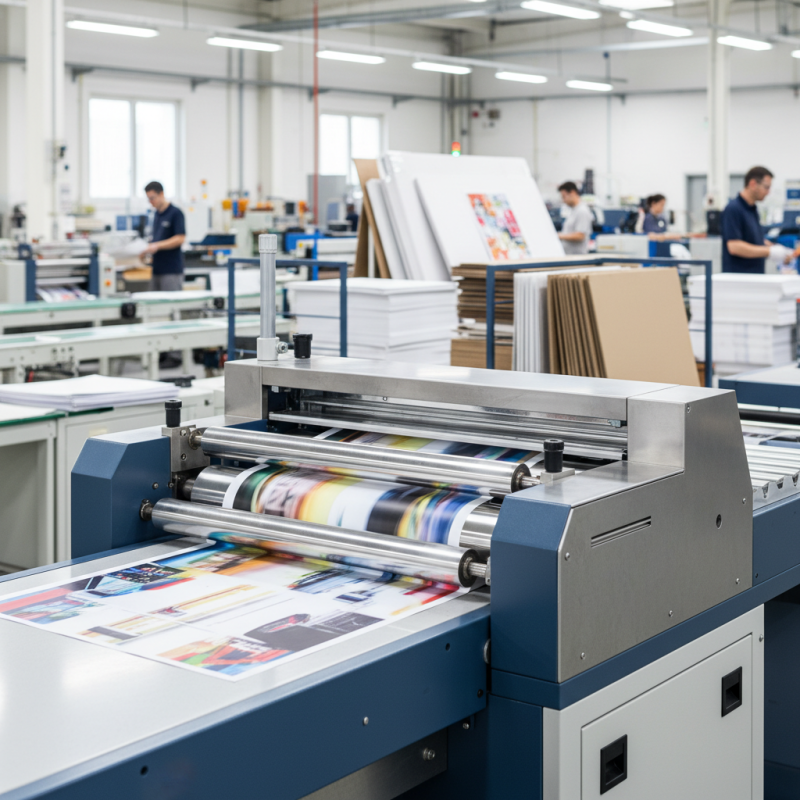
What is a Lamination Machine?
A lamination machine is a device used to protect documents by encasing them in a layer of plastic. This process not only preserves the materials but also enhances their appearance. These machines are popular in offices, schools, and homes for various projects, from creating ID cards to preserving photos.
Using a lamination machine is straightforward. You place the document into a plastic pouch, then feed it through the machine. The heat activates the adhesive in the pouch, sealing it effectively. The result is a durable, water-resistant finish that resists wear and tear.
**Tip:** Always choose the right thickness for your laminating pouches. A thicker pouch offers more protection but may require a higher temperature setting.
Mistakes can happen. Sometimes, the document may misalign in the machine, leading to uneven lamination. It's crucial to adjust the document and try again.
**Tip:** Regularly clean the rollers of your machine. Dust and residue can affect performance and lead to poor quality lamination.
Remember, not every document requires lamination. Evaluate what needs protection and what doesn’t. This thought can save time and resources in the long run.
Lamination Machine Usage by Industry
Key Components of a Lamination Machine
A lamination machine is essential for protecting documents and enhancing their appearance. Key components of the machine greatly influence its efficiency and effectiveness. These components include the heating element, rollers, and control panel.
The heating element is critical. It melts the adhesive on the laminate film during the process. If it's not calibrated correctly, problems arise. Inconsistent heat can lead to uneven lamination. This can produce bubbles or wrinkles, which is frustrating for users. Rollers are another vital part. They apply pressure to ensure a solid bond between the film and the document. If the rollers wear out, lamination quality declines.
The control panel allows users to adjust settings easily. Users should be familiar with different laminate thicknesses. Incorrect settings can cause misalignment or poor adhesion. Experience shows adjustments take trial and error, which can be time-consuming. It's important to learn from each use. Fine-tuning these components can lead to better results and fewer mistakes. Each lamination project serves as a lesson in improving future outcomes.
How Does a Lamination Machine Operate?
A lamination machine is an essential tool for protecting and enhancing various documents. Its operation involves several key steps. Initially, the document is placed between two sheets of lamination film. This film is often made from plastic and provides a barrier against moisture and dirt. The lamination process can vary, but most machines use heat to fuse the film to the document.
Once the document is in place, the operator feeds it into the machine. The machine heats the rollers, which then press down on the film. This contact activates the adhesive on the film. As the document travels through the machine, it emerges fully laminated and protected. The temperature and speed settings can be adjusted, but getting them right can be tricky. Sometimes, too much heat can distort the document, making it less legible.
After lamination, one might notice some imperfections. Bubbles or wrinkles may occur if the settings weren’t optimal. It’s crucial to monitor each lamination job closely. Practicing proper techniques can significantly improve the final result, but there is always room for improvement. A user may realize that consistency in pressure and heat is vital. This reflection often leads to better operation and outcomes in future projects.
Types of Laminating Processes Available
Lamination is a technique frequently used in various industries. Different types of laminating processes cater to specific needs. Understanding these can help in selecting the right one for your application.
One common process is thermal lamination. It involves using heat to activate adhesive between layers. This method provides a durable finish. According to industry data, over 50% of businesses prefer thermal lamination for its durability and aesthetic appeal. Cold lamination is another type. It uses pressure instead of heat, making it ideal for heat-sensitive materials. This process is often quicker and more environmentally friendly.
Tip: Always test a small sample first. This can prevent costly mistakes.
Another option is pressure-sensitive lamination. This method employs adhesive layers that are activated by pressure. It’s ideal for high-volume projects. However, it may not offer the same level of durability as thermal lamination.
Tip: Ensure the materials you select are compatible. Mismatched layers can lead to peeling or bubbling. Each process has its pros and cons. Making an informed decision is crucial for successful lamination.
Common Applications of Lamination Machines
Lamination machines play a crucial role across diverse industries. These devices protect documents, packaging, and products from wear and tear. The lamination process involves sealing a thin plastic film around an item, which helps to enhance durability and appearance. According to industry reports, the global laminating machine market is expected to reach $1.5 billion by 2025, reflecting significant growth.
Common applications of lamination machines are seen in schools, offices, and printing companies. In education, instructors often laminate maps and lesson materials. This ensures they last longer and remain usable. In businesses, laminated cards and brochures are popular for marketing. They can attract attention due to their glossy finish. A survey highlighted that around 65% of businesses use lamination for presentation materials.
In the food industry, lamination protects packaging from moisture and damage. Laminated films keep products fresh and safe. However, challenges exist. Not all materials are easily laminated, leading to waste. Moreover, environmental concerns regarding plastic use arise. These issues call for more sustainable solutions in lamination technology. Addressing these concerns is vital for the industry's future.