Top Industrial Machinery Manufacturing Trends to Watch in 2026?
In recent years, the Industrial Machinery Manufacturing sector has seen significant shifts driven by technological innovations and market demands. According to a report by Grand View Research, the global industrial machinery market is expected to reach $1.4 trillion by 2026, growing at a CAGR of 7.3%. This growth highlights the vital role machinery plays in enhancing efficiency across various industries.
The increasing adoption of automation technologies, like robotics and AI, is reshaping production lines. Companies are investing heavily to stay competitive. However, integrating these technologies presents challenges. Skills gaps in the workforce are a pressing issue, risking potential setbacks in production capabilities. Furthermore, while sustainability initiatives rise, firms must balance profitability with eco-friendly practices.
As we approach 2026, understanding these trends is crucial. The landscape of Industrial Machinery Manufacturing will continue to evolve, impacting supply chains, product design, and workforce dynamics. Staying informed will be essential for industry stakeholders seeking to leverage these changes effectively.
Emerging Technologies Reshaping Industrial Machinery Manufacturing
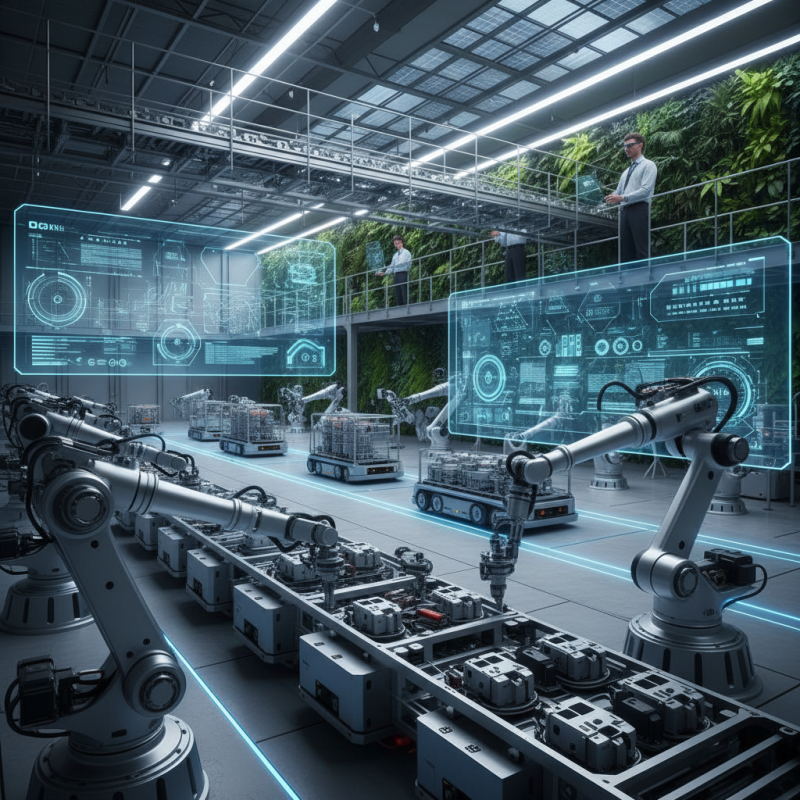
Emerging technologies are significantly reshaping the industrial machinery manufacturing landscape. By 2026, advanced automation is expected to dominate this sector. According to a recent report by Fortune Business Insights, the global market for industrial automation is projected to reach $296.70 billion by 2028, growing at a compound annual growth rate (CAGR) of 9.5% from 2021. This trend shows how manufacturers are increasingly relying on robotics and AI to enhance efficiency and reduce costs.
Another key area seeing transformation is additive manufacturing, often known as 3D printing. A study by Wohlers Associates estimates that the 3D printing industry could reach $35.6 billion by 2024. This technology allows for more efficient prototyping and production processes. However, adapting to these new technologies poses challenges. Many traditional manufacturers struggle with the integration of digital tools and maintaining cybersecurity, which is essential for safeguarding sensitive data.
In addition, the Internet of Things (IoT) will play a crucial role by 2026. Reports indicate that the global IoT in manufacturing market will grow to $263.4 billion by 2025, presenting significant opportunities. Nevertheless, businesses must address issues related to data privacy and interoperability. Adopting these trends is essential, yet it invites reflection on how to manage the shift effectively.
Sustainability Practices Influencing Manufacturing Trends
In 2026, sustainability will shape the industrial machinery manufacturing landscape. Manufacturers will adopt practices that reduce waste and energy consumption. Companies may explore eco-friendly materials and manufacturing processes. Investing in renewable energy sources will be crucial. The shift to sustainable production may not come without challenges. Some manufacturers may struggle to balance cost and eco-initiatives.
Collaboration between companies and environmental experts can drive innovation. However, not all industries will adapt at the same pace. Smaller manufacturers may feel pressure to comply without adequate resources. This inconsistency may lead to a widening gap between leaders and laggards in sustainability. Businesses must assess their current practices and set realistic goals for improvement.
Consumer demand for sustainable products continues to rise. This trend will push manufacturers to reconsider designs and supply chains. Transparency in manufacturing processes will become essential. Companies may need to implement systems that track resource usage and waste. As environmental concerns grow, the pressure to innovate and adapt will also increase. Embracing sustainability is more than a trend; it’s a necessity for future success.
Impact of Automation and Robotics in Machinery Production
Automation and robotics are reshaping the industrial machinery landscape. These technologies enhance production efficiency by minimizing human error. Machines now perform repetitive tasks with precision. This shift allows manufacturers to focus on more complex operations that require human creativity.
The integration of robotics also presents challenges. While automation boosts productivity, it raises concerns about job displacement. Companies must find a balance between technology and human input. Engaging the workforce in this transition is critical. Training programs will help workers adapt to new roles alongside machines.
Furthermore, the initial investment in automation can be significant. Small and medium-sized enterprises may struggle to keep pace. There is a need for strategic planning to ensure that all businesses can benefit from these advancements. The uneven adoption of technology may widen the gap between large corporations and smaller firms.
Top Industrial Machinery Manufacturing Trends to Watch in 2026
The Role of Smart Manufacturing in Industry 4.0 Evolution
Smart manufacturing is transforming the industrial landscape. In the context of Industry 4.0, it merges advanced technologies with traditional manufacturing practices. This integration drives efficiency and quality. By leveraging data, companies can optimize production processes. Real-time analytics enable swift decision-making.
There are several trends to consider. Predictive maintenance reduces downtime. IoT devices collect crucial data for analysis. Machine learning algorithms identify patterns, enhancing productivity. Additionally, automation increases precision. Workers can focus on more complex tasks, improving job satisfaction. These changes present opportunities and challenges.
Tips for implementing smart manufacturing:
- Start small. Choose pilot projects to test new technologies.
- Invest in employee training. Skilled workers are essential for success.
- Review data regularly. Adjust strategies based on insights gathered.
As we move towards 2026, the role of smart manufacturing will be pivotal. Companies must embrace these technologies to remain competitive. However, the road is not without its pitfalls. Mismanagement of technology can lead to inefficiencies. A careful, thoughtful approach is necessary for sustainable growth.
Key Market Players and Their Influence on Future Trends
In 2026, the industrial machinery manufacturing sector is poised for significant changes. Key market players are driving trends through innovative technologies. Research indicates that collaborative robots, or cobots, will witness a growth rate of over 25% during the next few years. This shift reflects industry efforts towards automation and improving efficiency.
Data from industry analysts shows that companies investing in smart manufacturing technologies are likely to gain a competitive edge. Enterprises that implement IoT solutions can enhance operational efficiency by up to 30%. This is critical, especially as supply chain disruptions continue to challenge conventional manufacturing methods. Market leaders are now more focused on digital transformations, aiming to leverage data analytics for better decision-making.
However, the rapid adoption of these technologies poses risks. Not all businesses can afford advanced machinery. There's also a growing concern about workforce displacement as automation increases. Balancing innovation and employment remains a challenge. As these dynamics unfold, close monitoring of market shifts and player strategies will be essential to navigate the sector's future landscape.
Top Industrial Machinery Manufacturing Trends to Watch in 2026
| Trend | Description | Impact on Manufacturing | Key Market Influencer |
| Automation & Robotics | Increased use of robots for precision tasks. | Enhanced productivity and reduced labor costs. | Leading tech companies driving innovation. |
| Sustainability Practices | Adoption of eco-friendly manufacturing processes. | Improved brand reputation and compliance with regulations. | Regulatory bodies and green tech firms. |
| Digital Twins | Virtual replicas of physical systems for performance monitoring. | Reduced downtime via predictive maintenance. | Software giants promoting digital integration. |
| AI & Machine Learning | Utilizing AI for predictive analytics and decision-making. | Streamlined operations and enhanced efficiency. | AI research firms and operational consultants. |
| 3D Printing | On-demand production of complex parts. | Reduced waste and faster prototyping. | Additive manufacturing specialists. |