How to Cast Stainless Steel Effectively and Safely?
Casting stainless steel requires skill and precision. Understanding the fundamental techniques is crucial for safety and effectiveness. Each step must be approached thoughtfully.
When setting up, ensure that all equipment is in top condition. The right furnace temperatures matter greatly. Failure to reach or maintain these temps can result in poor quality casts.
Moreover, safety gear is non-negotiable. Protective clothing, gloves, and goggles are essential. Mistakes can lead to severe injuries. Reflecting on previous casting experiences can reveal valuable lessons. Take your time to analyze what went right and what went wrong. Proper evaluation fosters improvement in the casting process.
Understanding Stainless Steel Casting Materials and Processes
Stainless steel casting is a precise process that involves various materials and careful handling. Stainless steel is an alloy, primarily consisting of iron, carbon, and chromium. The chromium content enhances corrosion resistance. According to industry reports, around 70% of stainless steel is used in manufacturing parts for the automotive and aerospace sectors.
Proper preparation is critical. Molds must be designed with exact specifications. However, many overlook mold material selection, resulting in defects. A poorly chosen mold can lead to flaws in the final product. For instance, sand casting is commonly used, but it requires expertise to avoid issues like surface roughness.
The melting process is equally significant. Stainless steel must be melted at the right temperature, typically around 1400°C. Inadequate temperature control can cause chemical inconsistencies. Surprisingly, up to 25% of stainless steel castings face rework due to improper handling. The certification of materials adds another layer of complexity, making it essential to ensure every batch meets quality standards. Keeping these factors in mind is crucial for perfection.
Preparation Steps for Stainless Steel Casting Setup and Equipment
Setting up for stainless steel casting requires thorough preparation. You need to assemble essential equipment like furnaces, molds, and safety gear. Each piece is important for a successful process. Ensure your workspace is clean and organized, as clutter can lead to accidents.
Before melting the stainless steel, check the furnace's temperature settings. Incorrect temperatures can cause issues during casting. Be prepared for potential challenges. Sometimes the mold may not fill completely. This can happen due to various reasons like improper pouring techniques.
Safety is paramount during this process. Always wear appropriate protective equipment. This includes gloves, masks, and eye protection. Remember, even with precautions, mistakes can happen. Regularly review and reflect on your techniques to improve your skills. Accept that each casting attempt is a learning opportunity.
How to Cast Stainless Steel Effectively and Safely? - Preparation Steps for Stainless Steel Casting Setup and Equipment
| Preparation Step | Description | Equipment Needed | Safety Measures |
| 1. Material Selection | Choose the appropriate grade of stainless steel for the application. | Material samples, specifications. | Wear gloves and goggles. |
| 2. Pattern Preparation | Create a pattern using suitable materials such as wood or metal. | Pattern making tools, measuring instruments. | Ensure good ventilation and use a dust mask. |
| 3. Mold Making | Create a mold using sand or metal casting techniques. | Mold materials, shaping tools. | Wear protective clothing and goggles. |
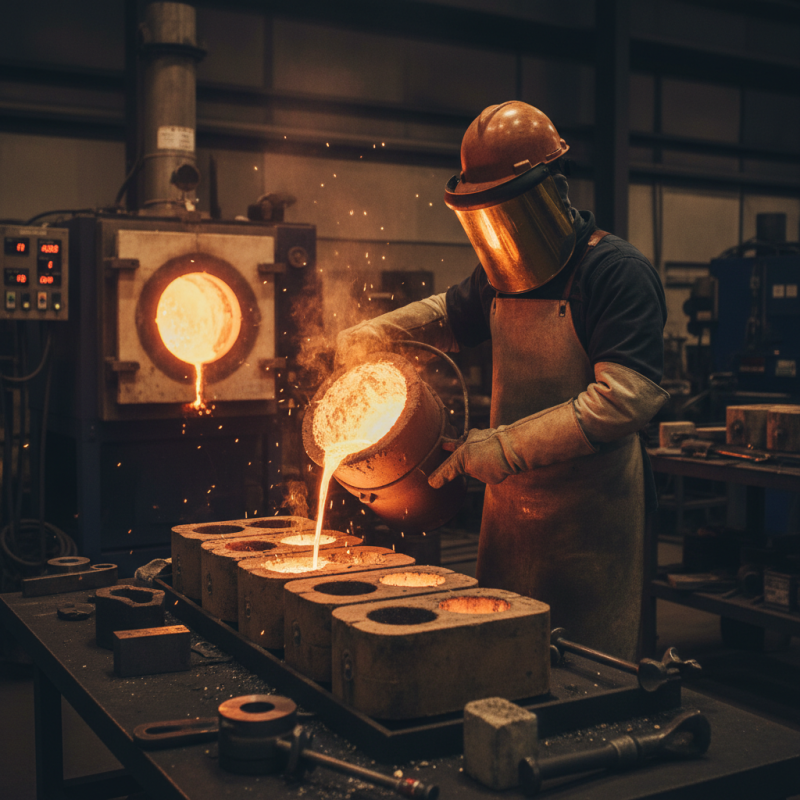
| 4. Melting Process | Melt the stainless steel in a furnace until molten. | Furnace, crucible, temperature gauges. | Use heat-resistant gloves and face shields. |
| 5. Pouring | Carefully pour the molten metal into the mold. | Ladle, pouring tools. | Remain vigilant about splash hazards. |
| 6. Cooling | Allow the cast to cool and solidify. | Cooling area, temperature control instruments. | Avoid rapid cooling methods that may crack the metal. |
| 7. Finishing | Clean and finish the cast product to desired specifications. | Grinding and polishing tools. | Wear masks and ear protection. |
Safety Precautions During Stainless Steel Casting Operations
Casting stainless steel requires strict attention to safety. The foundry environment can be hazardous. Proper gear is essential. Use flame-resistant clothing, gloves, and safety goggles. Always wear a face shield to protect against splashes and flying debris. In addition, ensure all tools and equipment are well-maintained and suitable for the task.
Ventilation is crucial during casting. Fumes can be harmful. Set up exhaust fans to minimize exposure. Check for gas leaks before starting any operation. Use a gas detector if necessary. It’s also vital to have a fire extinguisher close at hand. Stainless steel can spark, leading to fires. Many operators neglect this aspect, which can have dire consequences.
Emergency plans should be in place. Everyone involved must know protocols. This includes first aid procedures and evacuation routes. Regular safety drills can help reinforce this knowledge. Reflecting on past incidents can guide future practices. Ignoring these precautions is a risk no one should take.
Safety Precautions During Stainless Steel Casting Operations
Techniques for Achieving Quality Cast Stainless Steel Products
Achieving quality cast stainless steel products requires careful attention to detail. One effective technique is to control the temperature of the molten metal. Proper heating ensures the right viscosity. It prevents defects and improves flowability into molds.
When pouring molten steel, the speed and angle matter. A slow and steady pour reduces the likelihood of turbulence. This helps in achieving uniform thickness throughout the cast. Additionally, it’s essential to maintain a clean working environment. Contaminants can lead to weak spots or inclusions in the final product.
Tips: Always inspect your molds before pouring. Any blemish can impact the steel's quality. Consider using a vacuum to remove air pockets. This step may sound simple, yet it often gets overlooked. Adequate cooling is crucial as well. Rapid cooling can cause cracks and distortions. Take your time with each batch to ensure consistent results.
Post-Casting Treatments and Finishing for Stainless Steel Components
Post-casting treatments for stainless steel components are crucial for enhancing durability and performance. After casting, components often have rough surfaces, which can interfere with functionality. To address this, surface finishing techniques are essential. Techniques like grinding and polishing help refine the surface, enhancing both aesthetics and resistance to corrosion.
It's important to consider the environmental impact of these treatments. Some polishing methods may produce harmful waste. Finding eco-friendly alternatives is a challenge that needs attention. In addition, there may be unintended effects on the mechanical properties of stainless steel. Some treatments could lead to stress concentrations, which means a higher risk of failure under load.
Another important aspect is heat treatment. It can relieve internal stresses. However, controlling the temperature is critical. Overheating can lead to undesirable phase changes, necessitating careful monitoring. Preparing for potential setbacks during this process is vital.
Achieving the best results in finishing requires a blend of skill and knowledge. Each step must be evaluated, as mistakes can lead to costly rework. Maintaining high standards while ensuring safety is essential. This process is not just about the final product but also about learning and improving continually.