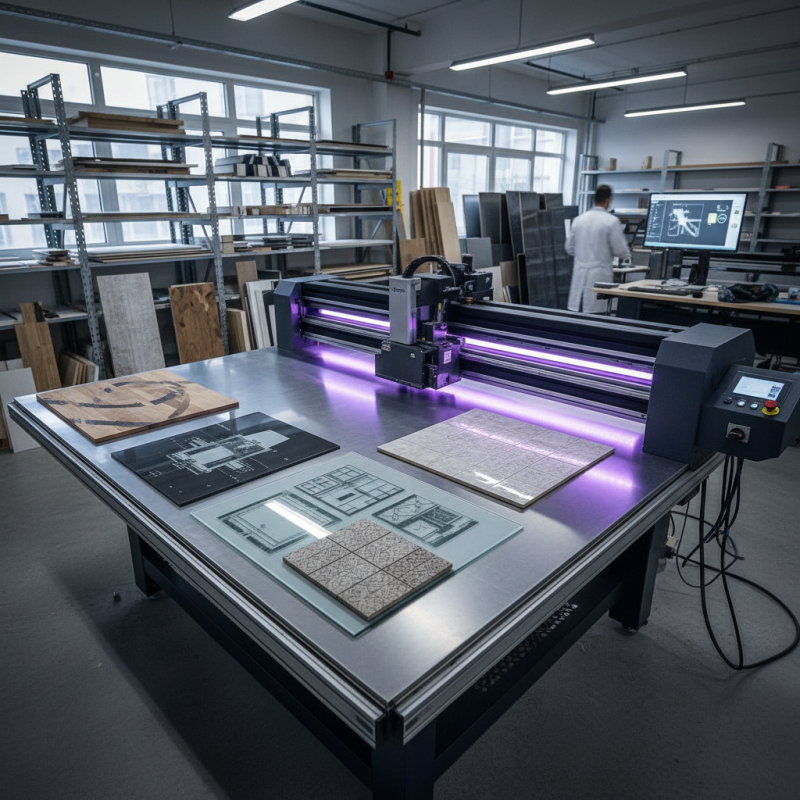
What is a Digital Flatbed Printer and How Does It Work?
In the world of printing technology, the Digital Flatbed Printer stands out. This innovative device allows for printing on various materials, from wood to glass. As businesses seek more versatile solutions, the demand for such printers increases.
Digital Flatbed Printers operate differently than traditional printers. They use UV light to cure ink as it prints, ensuring durability. Yet, this technology can be complicated. Users often face challenges like calibration and maintenance. Some may feel overwhelmed by its intricacies.
Despite these challenges, the benefits are clear. Digital Flatbed Printers open new creative possibilities and streamline production. They enable high-quality, detailed prints that capture attention. As we explore this technology, we will consider its functions, advantages, and potential drawbacks.
Understanding Digital Flatbed Printers: An Overview
Digital flatbed printers are gaining traction in various industries. They allow for direct printing on various materials, including wood, metal, and glass. This capability opens doors for innovation. According to a 2022 market analysis by Smithers, the digital printing market is expected to grow by 12% annually. Such growth highlights the increasing demand for versatile printing solutions.
Operating a digital flatbed printer involves several components. The printer uses UV or solvent inks, which cure quickly. This allows for immediate handling after printing. The precision of flatbed printing can reach a resolution of up to 1200 dpi. However, achieving this quality consistently can be challenging. Variations in material thickness may affect the output. It's crucial to conduct thorough material tests to maintain print integrity.
Customization is another strong point of digital flatbed printers. Businesses can produce one-off designs without significant setup costs. Yet, some users feel overwhelmed by the technology. Learning curves can delay production for new users. Additionally, while the equipment cost is decreasing, expenses for high-quality inks and maintenance remain a concern. This balance between affordability and quality needs ongoing evaluation.
Digital Flatbed Printer Production Capacities
Key Components of Digital Flatbed Printers
Digital flatbed printers have revolutionized the printing industry. They can print directly on various materials, including wood, glass, metal, and acrylic. This versatility makes them popular for creating signs, displays, and custom designs. A few key components drive their success.
The print head is crucial. It sprays ink precisely onto the substrate. High-quality print heads ensure sharp images and vibrant colors. However, they can be sensitive to dust. Regular maintenance is vital to avoid clogs. Print heads must be cleaned routinely to maintain performance.
Another essential part is the UV curing system. This system dries the ink almost instantly. It cures the ink by exposing it to UV light, making prints durable. This is especially valuable when printing on non-absorbent materials. But, be cautious of over-curing, which can lead to color distortion.
Tips: Always check ink levels before starting a run. It helps to avoid interruptions and wasted time. Additionally, keeping a clean workspace prevents dust from affecting the print quality. Regular training for operators can improve efficiency and output quality. Remember, even minor adjustments can significantly enhance the final product.
How Digital Flatbed Printing Works: The Printing Process
Digital flatbed printing is an innovative process that revolutionizes how images are printed on various materials. The core of this technology lies in the ability to print directly onto flat surfaces. This makes it ideal for a range of applications, from signage to promotional items. The process utilizes UV-curable inks, which dry instantly when exposed to UV light, enabling vibrant colors and sharp details.
During the printing process, the flatbed printer moves a print head across the surface of the chosen material. This head deposits ink in precise patterns, controlled by digital designs. Materials like wood, glass, metal, or even textiles can be used. It's fascinating to watch, but it can sometimes result in unexpected outcomes. For instance, ink may not adhere properly if the surface isn't prepped correctly. These challenges highlight the importance of surface preparation and calibration.
Moreover, the printer’s ability to handle various thicknesses opens new avenues for creative projects. However, working with different materials can lead to inconsistencies. The printer’s settings must be adjusted for each material type to achieve the best results. This leads to a constant learning curve, where each project teaches valuable lessons about technique and material behavior.
Applications and Benefits of Digital Flatbed Printing
Digital flatbed printing is revolutionizing the printing industry. This technology allows for direct printing on various materials. You can print on wood, glass, metal, and more. The versatility is striking. This method is ideal for custom projects. Businesses often use it for signage, packaging, and promotional materials.
The benefits of digital flatbed printing are significant. One key advantage is speed. Jobs that used to take days can now be completed in hours. This efficiency enhances productivity. Additionally, the quality is impressive. Images appear vibrant and detailed. There is no need for plates or setup, minimizing waste.
However, challenges exist. The initial investment can be high. Not all projects fit this method. Some materials may not yield desired results. It's important to evaluate your needs carefully. While the technology is advancing, it's not perfect. Each print run requires consideration and adjustments. Finding the right balance is essential for success.
Future Trends in Digital Flatbed Printing Technology
Digital flatbed printing technology is evolving rapidly. The future trends in this area reflect advancements in materials and techniques. For example, printers can now handle a wider range of substrates. This means more options for businesses looking to customize their products.
Sustainability is another key focus. Eco-friendly inks and materials are gaining popularity. Companies are pushing for greener practices. However, not every method is perfect yet. Some innovations may still carry environmental consequences. Technology must continuously adapt to mitigate these issues.
Automation and speed are also on the rise. Faster printing processes can enhance productivity. Yet, speed should not sacrifice quality. Balancing these elements is vital. As the industry grows, businesses must remain open to change while evaluating the impact of their choices.