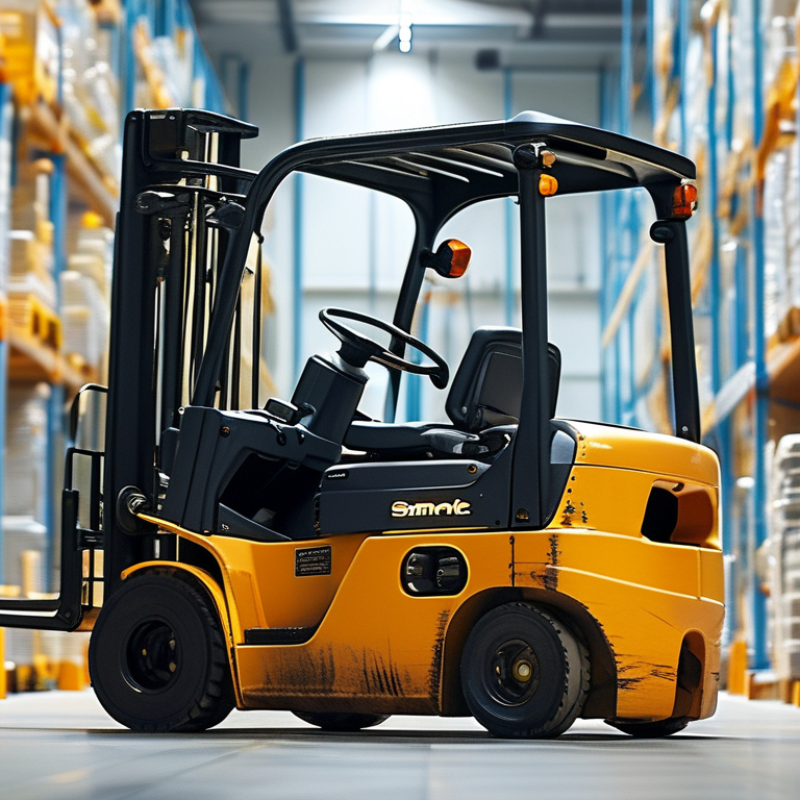
What is a Counter Balance Fork Truck and Its Benefits?
A Counter Balance Fork Truck is essential in many industries. This versatile equipment is commonly used for moving heavy loads in tight spaces. Its unique design allows for stability and balance, making it an ideal choice for warehouses and manufacturing plants.
Understanding the benefits of a Counter Balance Fork Truck can improve operational efficiency. It offers easy maneuverability in confined areas. Operators need proper training to ensure safety and effectiveness. Yet, without adequate experience, mishaps can occur, highlighting the importance of skilled operation.
Investing in a Counter Balance Fork Truck can lead to heightened productivity. However, businesses must regularly assess their choice of equipment. With evolving technology, reevaluating your fleet is crucial. This approach ensures you maximize both safety and efficiency in your operations.
Understanding Counter Balance Fork Trucks
Counter balance fork trucks are essential in various industries. Their design makes them versatile and effective for lifting heavy loads. Unlike other forklifts, these trucks have their weight distributed to the rear. This design offers a better center of gravity, enhancing stability and safety during operation.
When using counter balance fork trucks, operators should focus on proper load positioning. Loads should be balanced to prevent tipping. This balance ensures better control and maneuverability. It's vital to maintain visibility throughout the lifting process. Create a safe work environment by keeping pathways clear.
Tips: Always inspect the truck before use. Check brakes and lights. Conducting a daily safety check can prevent accidents. Training operators is crucial. A knowledgeable operator improves efficiency and safety. Make sure your team understands the truck's limitations and capabilities. Regular maintenance is important as well. Keeping the equipment in good condition reduces downtime.
Key Features of Counter Balance Fork Trucks
Counter balance fork trucks are essential in warehouses and manufacturing facilities. These trucks efficiently handle loads by balancing weight to prevent tipping. They typically have a large fork or platform at the front for lifting and moving materials. This design allows for versatility in various working environments.
One key feature is the adjustable lifting height. Operators can raise loads to different elevations easily. This flexibility is crucial in crowded spaces. Another notable aspect is their maneuverability. Counterbalance fork trucks can operate in tight spaces, making them ideal for confined areas. Their robust build supports heavy weights, ensuring reliable performance.
However, some users may find them challenging to operate. Training is essential for safe handling. Additionally, regular maintenance is required to keep the trucks in top shape. Improper care can lead to unexpected downtimes. Users should also be aware of load limitations to avoid accidents. Balancing efficiency with safety is vital in maximizing productivity.
Benefits of Using Counter Balance Fork Trucks in Warehousing
Counter balance fork trucks are essential in warehouse operations. They are designed to lift heavy loads while maintaining stability. Their simple design allows for easy maneuverability in tight spaces. This makes them particularly useful for warehouses with narrow aisles or limited access areas.
One major benefit of these trucks is their versatility. They can handle various types of loads, from pallets to bulk materials. Operators appreciate their ease of use, which can lead to increased efficiency. However, it’s crucial to train employees properly. Mishandling a counter balance fork truck can cause accidents or damage.
Another advantage is their ability to work in different environments. Whether indoors or outdoors, they can adapt to various surfaces. This flexibility makes them a favorite in many industries. Nonetheless, one must consider maintenance needs. Regular checks are necessary to ensure safety and reliability, which can sometimes be overlooked.
Applications of Counter Balance Fork Trucks Across Industries
Counterbalance fork trucks play a crucial role across various industries. They are vital for moving heavy loads safely and efficiently. In warehouses, these trucks transport pallets and bulk materials. Their design allows for flexible maneuvering in tight spaces. This capability improves warehouse operations and increases productivity.
In manufacturing, counterbalance fork trucks support assembly lines. They deliver components and finished products swiftly. Their versatility allows them to handle different types of loads. Companies benefit from decreased downtime. An efficient flow of materials leads to smoother operations. However, improper training can lead to accidents. Ensuring operators understand safe practices is essential.
Retail environments also utilize these trucks. They assist in restocking shelves and moving inventory. Quick access to products is critical for customer satisfaction. Yet, poor visibility can lead to collisions. Regular maintenance checks are necessary to minimize risks. Each application demonstrates how crucial these trucks are. They enhance efficiency, but users must prioritize safety.
What is a Counter Balance Fork Truck and Its Benefits? - Applications of Counter Balance Fork Trucks Across Industries
| Industry | Application | Benefits |
| Warehousing | Material Handling | Increased efficiency in picking and transporting goods |
| Manufacturing | Finished Goods Movement | Reduces time spent on manual labor |
| Retail | Stocking and Inventory Management | Enhances stock organization and accessibility |
| Construction | Transporting Building Materials | Improves site productivity by speeding up delivery times |
| Agriculture | Moving Heavy Equipment | Facilitates efficient logistics on farms |
Maintenance Tips for Counter Balance Fork Trucks
Counterbalance fork trucks are vital in various industries for handling materials efficiently. However, proper maintenance is key to their longevity. Regular checks can prevent unexpected breakdowns. According to industry reports, routine maintenance can reduce equipment downtime by 30%. This statistic highlights the importance of a proactive approach to maintenance.
One should focus on checking the hydraulic system regularly. Leaks can lead to inefficient operation and safety issues. Daily inspections can identify problems early. Ensuring that tires are inflated properly is another critical aspect. Under-inflated or worn tires can affect maneuverability, making handling dangerous. Routine tire checks are essential.
Lastly, battery care cannot be overlooked. Regular charging and cleaning battery terminals are vital for optimal performance. Ignoring battery health can lead to decreased efficiency. Industry guidelines recommend conducting yearly battery maintenance to extend life. These actions not only enhance performance but also ensure safety in the workplace. Regular maintenance fosters a culture of safety and efficiency, ultimately benefiting productivity.