What is a cooling tower and how does it work?
cooling towers are essential components in various industries, playing a crucial role in managing heat. According to a report by ResearchAndMarkets, the global cooling tower market is projected to reach $4.9 billion by 2027. These structures aid in heat dissipation for power plants, HVAC systems, and manufacturing facilities.
A cooling tower operates by removing excess heat from water used in industrial processes. The water absorbs heat and circulates through the tower, where it is cooled by evaporation. This process enhances energy efficiency and reduces operational costs. However, many facilities struggle with maintenance and environmental impacts.
Inadequate cooling tower management can lead to issues such as water wastage and system inefficiency. About 30% of energy consumption in industries can be attributed to inefficient cooling systems, emphasizing the need for innovation. Reflection on these challenges may drive improvements in technology and sustainability.
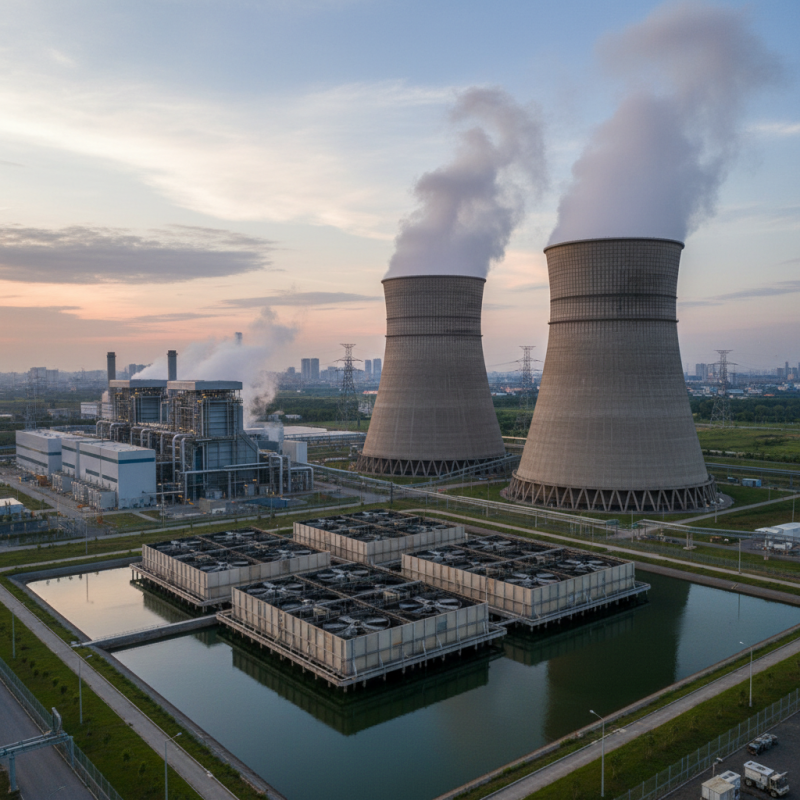
What is a Cooling Tower?
A cooling tower is an essential component in many industrial processes. It helps dissipate heat from equipment, preventing overheating. In simpler terms, it cools down hot water, making it usable again. These towers can be found in power plants, factories, and even large buildings.
The operation of a cooling tower relies on two main principles: evaporation and heat exchange. Hot water enters the tower and is distributed over fill material, which increases its surface area. Air is pushed or drawn through the tower, causing some water to evaporate. This process removes heat and cools the remaining water. However, sometimes the evaporation process isn’t efficient. Factors like humidity and temperature can impact performance.
Cooling towers can also require regular maintenance. Dirt, algae, and mineral buildup can reduce their efficiency. Neglect might lead to higher energy costs. It's crucial to monitor their performance consistently. Many overlook these details but they can make a significant difference. Understanding how cooling towers function can improve overall efficiency and save resources.
Components of a Cooling Tower
Cooling towers are essential in various industries. They dissipate heat from water systems efficiently. The key components of a cooling tower include the fill, fan, and distribution system. Each part plays a distinct role in the cooling process.
The fill material increases surface area for heat exchange. It allows water to spread out, enhancing contact with air. A report by the Cooling Technology Institute states that optimal fill design can improve efficiency by 15-20%. Fans generate airflow necessary for cooling. They draw in ambient air, which absorbs heat from the water.
Water distribution systems direct water evenly across the fill. Uneven distribution can lead to hotspots. This can affect overall cooling tower performance. Some designs, such as splash or film types, have pros and cons. Efficiency often depends on proper maintenance. Regular checks can help avoid common issues, like clogging or scaling. Data shows that up to 30% of energy losses in cooling systems occur due to inefficiencies in these components.
How Cooling Towers Operate: The Principles
Cooling towers are essential in various industrial processes. They help dissipate heat from systems like HVAC and power plants. The basic principle behind them involves the contact between water and air. This contact enhances heat transfer. It allows warm water to cool off as it spreads thinly over fill media.
According to industry reports, cooling towers can use effects like evaporation to remove heat effectively. Approximately 90% of the heat from the circulating water escapes through evaporation. The remaining water is returned to the system, creating a continuous loop. The design of these towers varies. Some are open, while others are closed-loop systems. Each type has its efficiency metrics.
However, it's crucial to address inefficiencies in design and operation. Regular maintenance is necessary to prevent issues like scale buildup or drift loss. Reports indicate that a poorly maintained cooling tower can lose up to 30% of its cooling efficiency. This not only impacts performance but can also lead to unnecessary energy consumption.
Types of Cooling Towers and Their Applications
Cooling towers are essential components in various industries. They dissipate heat from industrial processes and power generation. The two main types of cooling towers are open and closed-loop systems. Open cooling towers interact directly with the environment. They use water evaporation to cool down. Closed-loop systems, on the other hand, circulate water through coils. This design minimizes evaporation and reduces water loss.
In terms of applications, open cooling towers are commonly found in large-scale operations, such as power plants and chemical manufacturing. According to industry reports, these systems account for about 70% of the market. They are effective in cooling large volumes of water. However, they are susceptible to biological growth and scale formation. Regular maintenance is crucial. Closed-loop cooling towers are often favored in commercial buildings. They offer better water conservation. Their design prevents contamination and requires less frequent cleaning.
The efficiency of cooling towers is influenced by factors like ambient temperature and water flow rates. Reports indicate that a well-maintained tower can improve energy efficiency by up to 20%. While these systems are effective, ongoing maintenance and inspection are overlooked by many. Neglect can lead to inefficiencies. Each type has pros and cons, requiring careful consideration for optimal performance.
Cooling Tower Types and Their Applications
This chart illustrates the various types of cooling towers and their applications in different industries. The data shows the number of applications for each type of cooling tower, providing insights into their prevalence and usage.
Maintenance and Efficiency of Cooling Towers
Cooling towers are essential for various industrial processes. They help regulate temperature by dissipating heat from water used in cooling systems. Maintenance is crucial for operational efficiency. Regular inspections can prevent issues that lead to significant downtime.
A study by the Cooling Technology Institute reveals that proper maintenance can increase the efficiency of cooling towers by up to 30%. Keeping components clean and checking water chemistry can also prolong equipment life. Water treatment is often overlooked but is vital for preventing scaling and corrosion.
Tip: Schedule routine checks to ensure no buildup occurs in your cooling system.
Effective maintenance routines should include a thorough check of fans, pumps, and nozzles. Neglecting these can result in decreased performance. Regularly reviewing operational logs is important. It highlights patterns that may indicate problems.
Tip: Use monitoring technology to track performance metrics. It can identify inefficiencies early.
Small details matter. Debris in the tower can block airflow and reduce cooling efficiency. Addressing these issues promptly can save money and energy. Without proper attention, energy costs can rise by as much as 15%. Regular maintenance is not just a chore; it’s an investment.