What are Conveyor Belt Rollers and How Do They Work?
conveyor belt rollers are essential components of modern material handling systems. They play a critical role in ensuring smooth operation. Without them, industries would struggle with transporting goods efficiently.
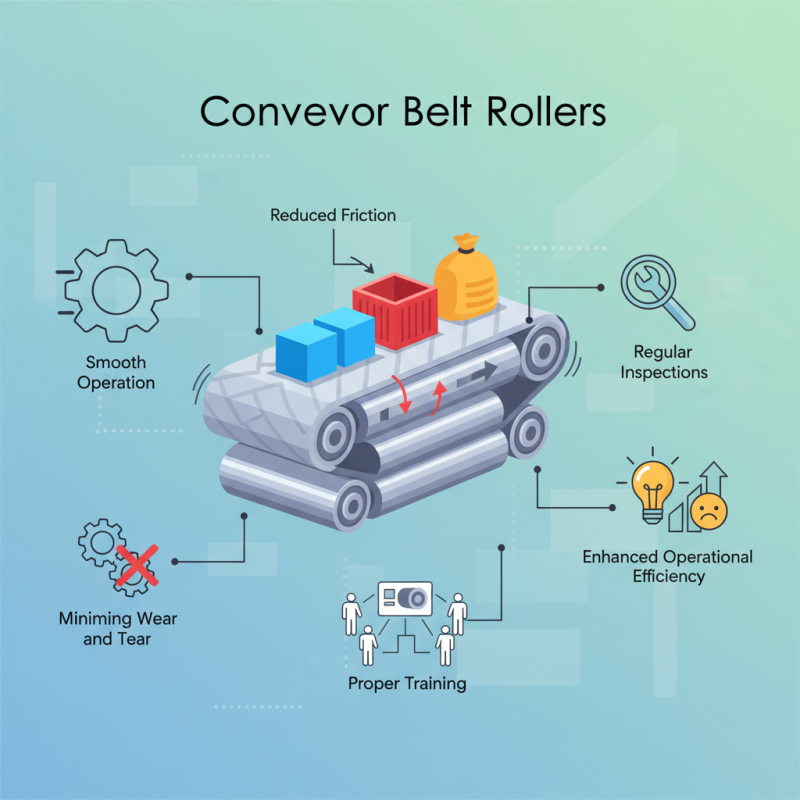
These rollers support the conveyor belt, allowing it to move items seamlessly. They reduce friction, which minimizes wear and tear. However, improper maintenance can lead to issues. Often, businesses overlook regular inspections, leading to unexpected breakdowns.
Understanding how conveyor belt rollers work can enhance operational efficiency. It allows companies to implement better practices. Yet, many still ignore the need for proper training on their use. Recognizing this gap can lead to significant improvements.
What Are Conveyor Belt Rollers? Definition and Types
Conveyor belt rollers are essential components in conveyor systems. They support the belt and cargo while enabling smooth movement. These rollers come in various types, including cylindrical, trough, and impact rollers. Each type serves a specific purpose depending on the application’s needs. For example, trough rollers help to contain materials, preventing spillage.
One tip for maintaining conveyor belt rollers is to regularly inspect them for wear and damage. A worn roller can cause misalignment, leading to more significant issues. Clean the rollers regularly to remove debris. This maintenance can prolong the life of your conveyor system.
Choosing the right type of roller is crucial. Consider the weight capacity and environment. For heavy loads, impact rollers may be necessary. Be aware of potential misalignment issues that can occur if the wrong roller is used. Understanding your conveyor's needs will lead to better performance.
Key Components of Conveyor Belt Rollers: Materials and Designs
Conveyor belt rollers are crucial components in material handling systems. They support the conveyor belts and aid in efficient transportation. The materials used in these rollers can significantly impact their performance and durability. For example, steel rollers are favored for their strength, while plastic rollers are lighter and resist corrosion. According to industry estimates, over 50% of conveyor system failures are due to roller issues.
Design features also play a key role in roller effectiveness. A well-designed roller can reduce friction, enhancing the conveyor's operational efficiency. Typically, the roller diameter and width are adjusted based on the weight and type of material being transported. However, the balance between strength and weight remains a challenge. Many systems use hybrid designs to optimize performance while minimizing costs.
Industries often overlook roller maintenance. Regular checks can prevent costly downtime. Technologies such as self-lubricating bearings have emerged, promising to reduce wear. Yet, the initial costs of implementation may discourage some companies. Ultimately, investing in quality rollers can lead to longer-lasting systems, but there’s a need for better education on maintenance practices.
How Conveyor Belt Rollers Facilitate Material Handling Efficiency
Conveyor belt rollers play a crucial role in material handling. They support the belt and allow smooth movement of goods. This reduces friction and ensures efficient operation. When materials are properly aligned, the system works better. Misalignment can lead to wear and tear, which is costly. Regular checks help maintain this efficiency.
In various industries, these rollers are essential. They transport items over long distances without excessive energy use. Efficient rollers contribute to faster processing times. This increases productivity and minimizes delays. However, not all rollers are designed equally. Poor quality rollers can hinder performance, causing interruptions.
Understanding the role of conveyor belt rollers is vital for any operation. Ineffective systems can lead to significant downtime. Regular maintenance is necessary but often overlooked. Simple adjustments and replacements can make a big difference. Recognizing the importance of these components leads to better material handling efficiency.
Efficiency of Conveyor Belt Rollers in Material Handling
Industrial Applications of Conveyor Belt Rollers and Their Impact
Conveyor belt rollers play a crucial role in various industries. They facilitate the movement of materials smoothly and efficiently. These rollers support a conveyor belt, providing stability and reducing friction. In warehouses and manufacturing facilities, they are essential for transporting heavy loads. The efficiency of operations often hinges on these components.
In many industrial applications, conveyor belt rollers impact productivity significantly. For instance, in mining, they carry mined materials over long distances. Poor roller setup can lead to delays and increased costs. Similarly, in food processing, maintaining hygiene is vital. Rollers must be easy to clean while ensuring smooth movement. A mismatch here could cause contamination or downtime.
Additionally, there's a need to consider the environmental implications. Using durable materials can reduce waste, but it might drive up costs. Industries must balance efficiency and sustainability. Regular maintenance is essential, yet it often gets overlooked. This negligence can lead to breakdowns, causing disruptions. Reflecting on these points helps industries strive for continuous improvement.
What are Conveyor Belt Rollers and How Do They Work? - Industrial Applications of Conveyor Belt Rollers and Their Impact
| Dimension | Specification | Material | Application Area | Load Capacity (kg) |
| Roller Diameter | 50 mm | Steel | Food processing | 200 |
| Roller Diameter | 76 mm | Aluminum | Packaging | 150 |
| Roller Diameter | 100 mm | Plastic | Mining | 300 |
| Roller Diameter | 120 mm | Rubber | Logistics | 250 |
| Roller Diameter | 150 mm | Stainless Steel | Pharmaceutical | 350 |
Maintenance Best Practices for Conveyor Belt Rollers: Ensuring Longevity
Conveyor belt rollers play a crucial role in the efficiency of material handling systems. Proper maintenance of these rollers can significantly enhance their longevity. Regular inspections should be performed to identify any signs of wear or damage. Loose or misaligned rollers can lead to operational issues. Keeping an eye on the rollers' operational sound can also alert you to potential problems.
Lubrication is vital for smooth functioning. Different rollers may require varied lubrication techniques. Over-lubricating can be as harmful as under-lubricating. It's essential to find a balance. Dust and debris can accumulate, impacting performance. Cleaning rollers regularly ensures optimal operation.
Monitoring roller alignment is important. Misalignment can cause uneven wear and tear. This issue often goes unnoticed until it causes a significant problem. Staff training about roller maintenance can make a difference. Employees should know why roller upkeep matters. Simple practices can prevent costly repairs down the line.