How to Choose the Right Plastic Injection Mold for Your Project?
Choosing the right Plastic Injection Mold is crucial for any project aiming for success. According to the latest industry report by Grand View Research, the global plastic injection molding market is expected to reach $440 billion by 2026. This growth highlights the increasing importance of selecting high-quality molds. Industry expert Dr. Linda Reynolds emphasizes, "The right mold can significantly reduce production times and costs, making it a vital investment."
When selecting a mold, consider factors like material compatibility and design complexity. Molds made from high-grade steel often yield better durability, while aluminum molds can be cost-effective for shorter runs. However, not all molds are created equal. It's essential to evaluate your project needs carefully. Overlooking details such as cooling lines can lead to product defects. Furthermore, the choice of a plastic injection mold is often a reflection of both immediate needs and long-term goals.
Investing in the right Plastic Injection Mold is not just about initial costs. It’s about ensuring manufacturing efficiency and product quality. Many companies face challenges in this area. They may choose cheaper alternatives, leading to greater expenses later. As the industry evolves, the right choices become more critical than ever.
Understanding the Basics of Plastic Injection Molding
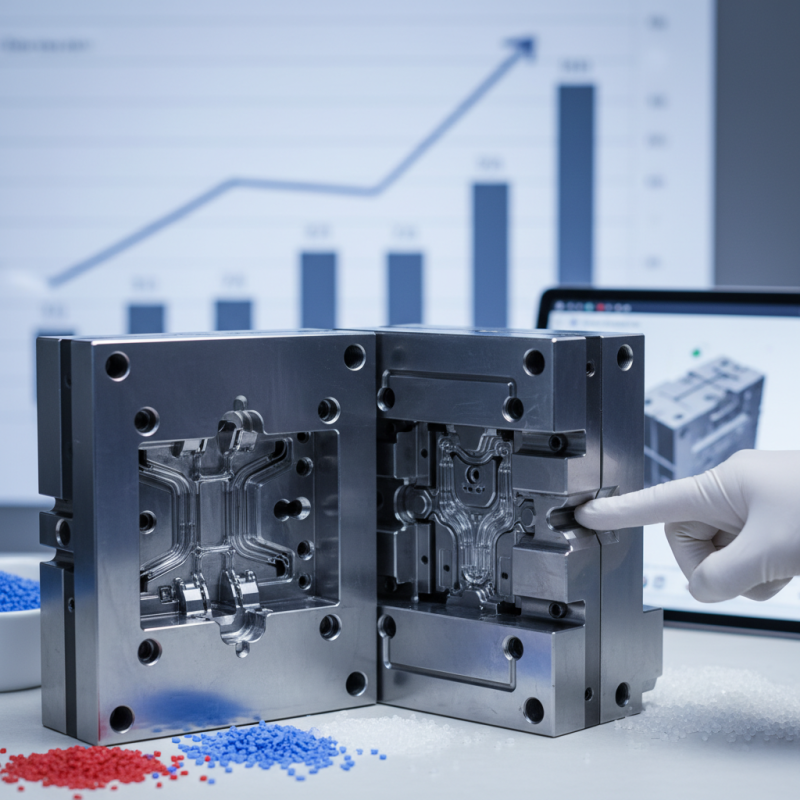
Plastic injection molding is a crucial process in manufacturing. It involves injecting molten plastic into a mold. The cooled plastic takes the shape of the mold. Understanding this process helps in selecting the right mold for your project.
Choosing the right type of mold is significant. A well-designed mold can save time and production costs. Consider the complexity of your parts. Simple designs are easier to mold. However, intricate shapes may require advanced tooling. It's a balancing act. Reflect on your project’s needs.
**Tips:** Always review your material specifications. Different plastics have varied melting points. Also, think about the production volume. High volumes may justify a more expensive mold. Take your time in this initial stage; missteps can lead to costly revisions later. Understanding these basics will help guide your decision-making.
Plastic Injection Mold Selection Criteria
Identifying Your Project Requirements and Specifications
When choosing the right plastic injection mold, project requirements are crucial. Start by defining the part's geometry. Consider any unique shapes or features. Will it be a large component or a small, intricate piece? Each choice impacts mold design. The complexity of the part dictates the type of mold needed. Simple designs may require less advanced molds, potentially saving costs.
Material selection is another critical aspect. Different plastics behave differently under heat and pressure. Understand how these materials will impact production. Some may require high temperatures, while others might be more forgiving. Reflect on your production volume. High volumes may justify higher mold costs. Conversely, low-volume projects might not. Engage with your team to ensure all requirements are captured. Missing details can lead to challenges later in the process, so clarity is key.
Evaluating Different Types of Injection Molds
When choosing the right injection mold, evaluating different types is essential. Standard molds are popular for high-volume production. They are cost-effective and efficient. However, these molds may not fit every project's needs. Custom molds offer flexibility. They can be designed for specific products, but the initial cost is higher. Think about the long-term production goals when choosing.
Then, consider the material. Steel molds are durable but expensive. Aluminum molds are lighter and quicker to produce. They may wear out faster, so weigh the pros and cons carefully. What works best for one product may not be ideal for another.
Lastly, the complexity of the design matters greatly. Simple shapes are easier to mold but limit creativity. More intricate designs allow for innovation, yet they can increase production time. It’s a balancing act. Keep in mind the project timeline and budget constraints. Make choices that align not only with the design but also with overall project expectations. Each decision shapes the final outcome.
How to Choose the Right Plastic Injection Mold for Your Project?
| Mold Type | Material Used | Typical Applications | Cost | Production Speed |
| Single Cavity Mold | Steel or Aluminum | Low volume production | $$ | Medium |
| Multi Cavity Mold | Steel | High volume production | $$$ | High |
| Stack Molds | Steel | Complex parts | $$$$ | Very High |
| Family Molds | Aluminum | Multiple small parts | $$$ | Medium to High |
| Hot Runner Molds | Steel | Complex design parts | $$$$$ | Very High |
Assessing Material Compatibility for Your Mold Design
When selecting a plastic injection mold, material compatibility is crucial. Different plastics have unique properties, which must align with your project requirements. For example, ABS plastic is known for its strength and impact resistance. In contrast, polycarbonate offers excellent thermal stability. Understanding these nuances is essential for project success.
Reports indicate that over 70% of mold failures stem from poor material selection (source: Industry Polymer Review, 2022). This highlights the need for thorough research. Knowing how materials interact can prevent costly production delays. The ideal material should also withstand environmental stresses. For instance, certain chemicals or high temperatures may weaken mold integrity.
Consider the end-use of your product as well. If your application demands flexibility, elastomers might be better suited. This focus on detail is often overlooked. It’s common to assume any plastic will work, but this can lead to issues. The right material provides durability, but without addressing compatibility, the mold can succumb to fatigue or breakage easily.
Selecting a Reliable Manufacturer for Your Injection Mold
Choosing the right manufacturer for your injection mold is crucial. Not every manufacturer has the same expertise. Research is important. Look for companies with a solid track record. Experience matters, especially in complex mold designs. A reliable manufacturer often has a portfolio showcasing past projects. This provides insight into their capabilities.
Communication is key during the selection process. Are they responsive to your queries? This shows their commitment. A good manufacturer will work with you to refine your ideas. They should offer suggestions based on their knowledge and experience. Don't shy away from asking tough questions. Ensure they have clear processes for quality control.
Sometimes, there are red flags. If a manufacturer is vague about costs or production times, be cautious. Some may promise quick results but compromise quality. Consider reviews and testimonials, but remember they might not tell the full story. Trust your instincts; if something feels off, explore other options. Your project's success depends on this crucial choice.