Why Choose the Right Milling Cutter Head for Your Needs?
Choosing the right Milling Cutter Head is crucial for achieving precision in machining tasks. John Smith, a seasoned expert in cutting tools, once stated, "The right cutter can turn a mediocre job into a masterpiece." His words highlight the importance of selecting an appropriate Milling Cutter Head.
The Milling Cutter Head industry offers various options tailored for different materials and tasks. Each design has unique features. These can significantly impact efficiency and quality. It's not just about cost but performance. A poorly chosen cutter can lead to more waste and added expenses.
Understanding your specific needs helps avoid mistakes. Consider the material you are working with and your project's demands. Reflect on past choices and their outcomes. Did they meet your expectations? This self-reflection can lead to better decisions in the future. Therefore, taking the time to choose the right Milling Cutter Head is not just advisable; it is essential.
Understanding the Function of Milling Cutter Heads in Machining
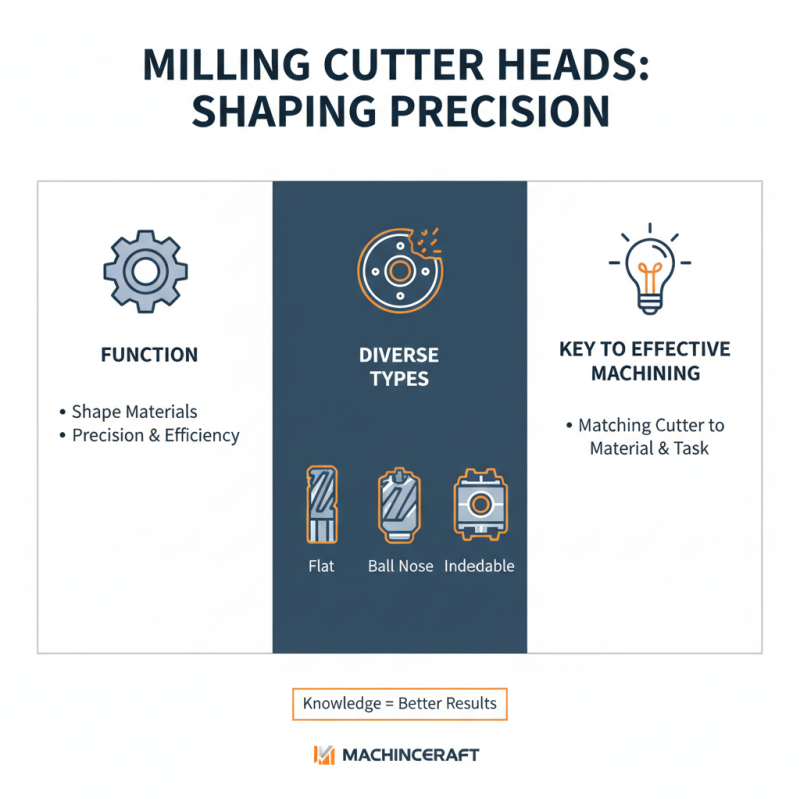
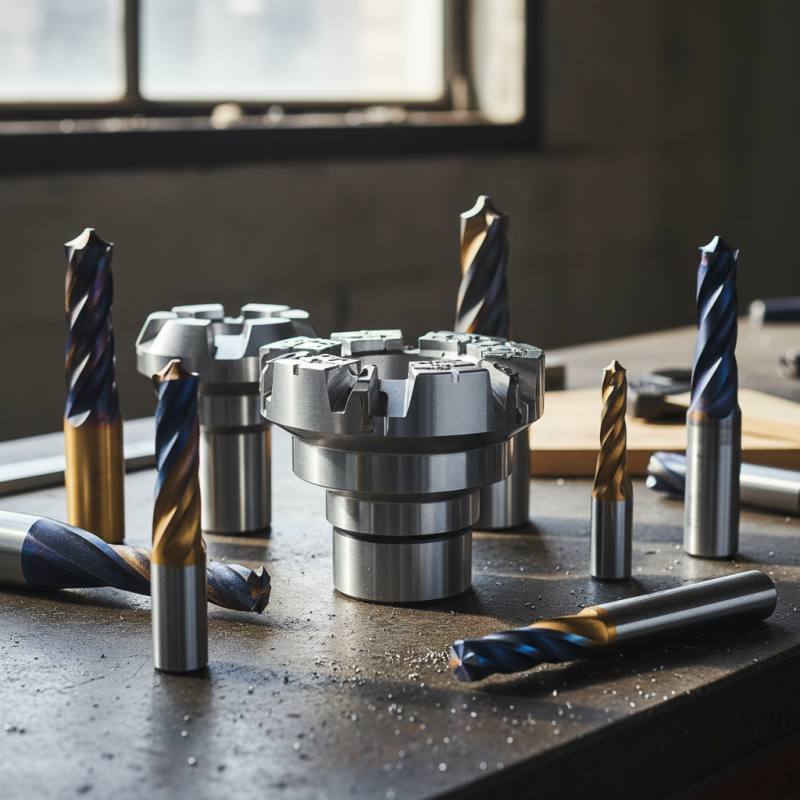
Milling cutter heads play a crucial role in machining. They shape materials with precision and efficiency. Different cutter heads offer various features. Understanding these differences is essential for effective machining.
In machining, cutter heads can significantly influence the outcome. Choosing the right design affects the surface finish and efficiency. For instance, a face mill cutter can achieve flat surfaces quickly. However, using it for complex shapes may lead to imperfections. It's important to match the cutter head to your specific requirements.
Material selection also matters. Carbide heads are durable but might be overkill for softer materials. On the other hand, high-speed steel heads can be less expensive but may wear out faster. Reflecting on your material and goals guides better decision-making. A misstep in cutter selection can lead to costly errors and wasted time.
Factors to Consider When Selecting a Milling Cutter Head
Selecting the right milling cutter head is crucial for optimizing machining processes. One key factor is material compatibility. Different materials behave uniquely under cutting. A cutter head made for soft metals may not perform well on harder alloys. Consider your material type first.
Geometry is another important aspect. The shape of the cutter head influences chip removal and surface finish. For instance, a spiral design enhances cutting efficiency. It’s essential to evaluate what geometry matches your specific applications. Test different options, as not all shapes suit every machining task.
Finally, consider the size and dimension of the cutter. A head that’s too large may compromise precision. Conversely, an undersized head might not achieve desired outcomes. Measuring workpiece characteristics helps in choosing the optimal size. Remember, each selection impacts productivity and quality. Reflecting on past experiences can provide insights into making better choices.
Factors to Consider When Selecting a Milling Cutter Head
Types of Milling Cutter Heads and Their Applications
Choosing the right milling cutter head can significantly impact production efficiency in manufacturing. There are various types of milling cutter heads, each designed for specific applications. For instance, face mills excel in producing flat surfaces and can remove large amounts of material quickly. A report by the Manufacturing Technology Association highlighted that face mills can achieve a material removal rate of up to 300 cubic inches per minute. This efficiency makes them a top choice for large workpieces.
End mills are another popular option; they are versatile and can cut both horizontally and vertically. They often possess multiple flutes, which can enhance surface finish and chip removal. According to industry research, end mills can yield tool life improvements of 15-30% when optimized for specific materials. However, choosing the wrong type can lead to increased wear and longer machining times.
Specialty cutter heads also exist, tailored for unique applications like contouring or reaming. While these can offer impressive results, they may require more expertise. Some reports suggest that operators often mistakenly underestimate the significance of tool selection. This oversight can hinder productivity and impact overall project timelines. Understanding the nuances between various cutter heads is crucial in maximizing performance and minimizing waste.
How Material Choice Affects Cutter Head Performance
Choosing the right milling cutter head can significantly impact machining outcomes. The material of the cutter head plays a critical role in its performance. For instance, studies show that carbide-tipped cutter heads can enhance cutting efficiency by 30% compared to standard high-speed steel options. This improvement often translates into reduced machining time and lower costs.
Different materials exhibit unique properties that affect durability and precision. Carbide, for example, is known for its hardness and resistance to wear. It performs exceptionally well in demanding applications. Conversely, while high-speed steel offers versatility, it may struggle in high-temperature or high-load situations. A report from the American Society of Mechanical Engineers indicates that misalignment in material choice can lead to 15% more material waste.
Selecting the correct material also involves assessing the workpiece characteristics. For soft materials like aluminum, a cutter head with fewer cutting edges may be more effective. On the other hand, when machining harder materials, using a cutter head with a high tooth count can improve surface finish. An emphasis on material compatibility ensures better performance and longevity. Reflecting on these factors before making a choice can lead to noticeable improvements in productivity and quality.
Why Choose the Right Milling Cutter Head for Your Needs? - How Material Choice Affects Cutter Head Performance
| Material |
Cutting Speed (m/min) |
Life Expectancy (hours) |
Cost per Unit ($) |
Best Use Case |
| High-Speed Steel (HSS) |
35-50 |
20-30 |
10 |
General purpose machining |
| Carbide |
50-100 |
60-80 |
30 |
High precision machining |
| Cermet |
60-90 |
45-65 |
40 |
Finishing operations |
| Ceramic |
90-150 |
25-35 |
70 |
Hard materials machining |
| Diamond |
80-120 |
100-150 |
200 |
Advanced materials machining |
Maintenance Tips for Prolonging the Life of Milling Cutter Heads
Milling cutter heads are essential tools in machining processes. Proper maintenance can significantly extend their lifespan. One crucial aspect of maintenance is regular inspection. Check for wear and damage regularly. Small nicks or chips can affect performance. Replace parts if necessary, but always use compatible materials.
Cleaning the cutter head is also vital. After each use, remove any debris and dust. A clean cutter head maintains precision. Use a soft brush or cloth for this task. Avoid harsh chemicals that may damage the surface. Maintaining cleanliness can help prevent buildup that leads to wear.
Lubrication is another key area. Apply the right lubricants to reduce friction during operation. Too much or too little lubrication can cause issues. Follow guidelines for best practices. Another overlooked factor is storage. Store cutter heads in a dry, safe environment. This prevents rust and keeps them in optimal condition. Neglecting these details can lead to premature wear and inefficiency.