How to Choose the Right 125 Amp Breaker for Your Needs?
Choosing the right 125 Amp Breaker is essential for ensuring the safety and efficiency of your electrical system. An appropriate breaker is critical for both new installations and repairs. The 125 Amp Breaker plays a crucial role in protecting your wiring and appliances from overloads and short circuits.
There are many factors to consider when selecting this breaker. Understand your power needs, the types of appliances you will use, and the overall load on your system. Each choice can greatly impact the longevity and safety of your electrical setup. Additionally, you'll want to comply with local codes and regulations.
While a 125 Amp Breaker may seem straightforward, some details can lead to confusion. For instance, compatibility with your panel and the right trip settings are vital. Making a mistake can be costly. Seeking advice from experts or checking online resources can help refine your options. It’s wise to reflect on these points before making a final decision.
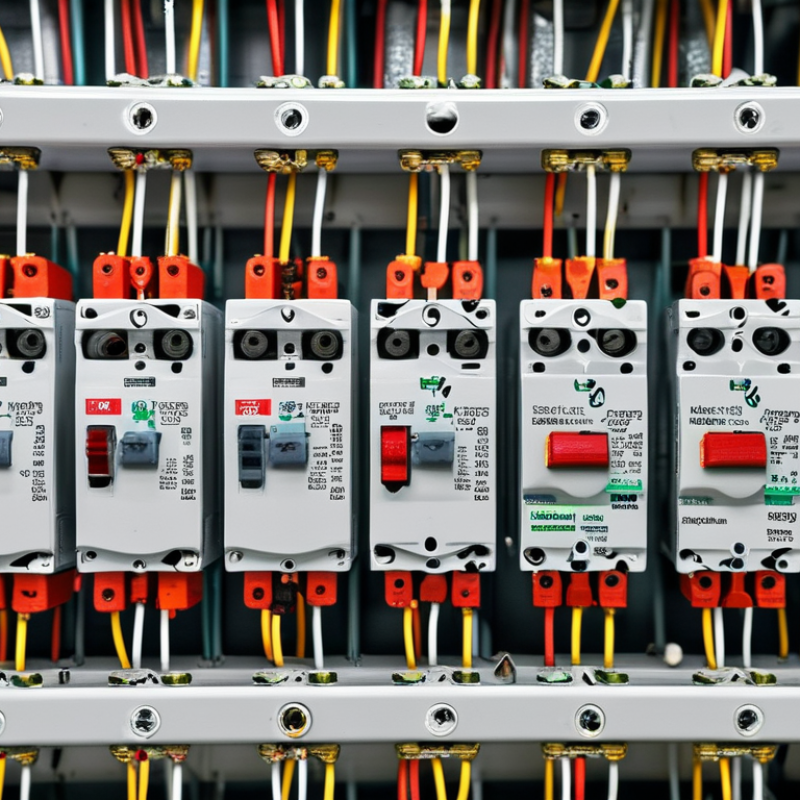
Understanding the Basics of 125 Amp Breakers
Understanding the basics of 125 Amp breakers is essential for any electrical project. These breakers are crucial for protecting your home or business from overloads. They serve as a vital safety mechanism, interrupting the electrical flow when the current exceeds the specified limit. According to the National Electrical Code (NEC), a 125 Amp breaker is typically used for residential services, especially in homes with multiple large appliances.
When selecting a 125 Amp breaker, consider the total load of your devices. The NEC recommends that your electrical system should not exceed 80% of its capacity. This means that ideally, you should not load a 125 Amp breaker more than 100 Amps. Overloading can lead to frequent tripping and potential damage to your appliances. Also, local codes may have specific rules about breaker sizing based on the total electrical load in your service panel.
It's essential to check the wiring gauge as well. A 125 Amp breaker requires a minimum of #2 AWG copper wire. Using the wrong gauge can cause overheating and safety hazards. Reflecting on these factors can help ensure that you select the right breaker for your specific needs. They anchor the safety of your electrical system, making informed choices critical in preventing future electrical issues.
Identifying Your Electrical Needs and Load Calculations
Choosing the right 125 Amp breaker starts with understanding your electrical needs. Accurately calculating your load is essential. According to the National Electrical Code (NEC), residential load calculations often require estimating the total wattage of all devices. This ensures the breaker can handle your usage without tripping.
To calculate load:
1. List all your electrical appliances and devices.
2. Check their wattage ratings.
3. Add them together for a total.
For example, if you have a refrigerator (800 watts), microwave (1200 watts), and washing machine (500 watts), the total is 2500 watts. Divide this by the voltage, typically 120 or 240 volts, to get the amperage. In this case, 2500 watts at 240 volts is about 10.4 Amps. Always round up to allow for future needs.
Consider potential future use when choosing a breaker. It's wise to install a breaker that can handle additional load increases. Install a 125 Amp breaker if your calculated load approaches 80% of its capacity. This allows for additional circuits or devices without risking overload.
Always remember that not all devices run continuously. Some appliances may spike in usage temporarily, but your breaker needs to manage this. Be cautious if installing in older homes. Wiring may not handle additional loads efficiently. Assess the entire electrical system before making a choice.
How to Choose the Right 125 Amp Breaker for Your Needs?
This bar chart illustrates the common amp breaker ratings suitable for different application types such as Residential, Commercial, and Industrial. Understanding these needs can help you choose the right breaker for your electrical requirements.
Evaluating the Types of Breakers Available for Home Use
When evaluating breakers for home use, it's essential to consider the types available. A 125 amp breaker fits various applications, but know your specific needs. Main circuit breakers offer the highest level of protection. They are often used in main panels for entire homes. Sub-panel breakers serve smaller areas, making them ideal for garages or workshops.
Another option is the double pole breaker. This type is common for large appliances. It connects to both hot wires, providing 240 volts. There are also combination breakers that incorporate both features. They offer versatility for homes with varying power needs.
It’s crucial to assess your electrical load. Sometimes, homeowners overestimate the capacity they need. This could lead to unnecessary expenses. Choose a breaker that matches your usage patterns. Be aware that incorrect selection may result in tripped breakers. Take time to calculate your requirements carefully. Always consult with a licensed electrician when in doubt. Their expertise can guide you in making the right decision.
Safety Standards and Regulations for Electrical Installations
When selecting a 125 amp breaker, understanding safety standards is crucial. Compliance with national electrical codes ensures installations are safe. These regulations dictate how breakers should be installed and used. Breakers must be rated for the specific load to prevent overheating. An incorrect breaker can lead to severe electrical fires.
Different regions may have varying regulations. Local codes must be considered, as they can differ from the national standards. It's vital to consult with a qualified electrician. They can provide insights into local requirements and help you select the right breaker for your needs. Take notice of the manufacturer’s installation guidelines. Mismatches between equipment and installation can result in dangerous situations.
Some common mistakes arise from poor understanding of breaker ratings. Many users overlook the importance of environment. Factors like humidity and temperature can affect the performance of your breaker. Choosing the right product requires knowledge and careful consideration. Always prioritize safety when working with electrical systems. Be aware that a minor oversight can lead to significant issues down the line.
How to Choose the Right 125 Amp Breaker for Your Needs?
| Dimension | Description |
| Voltage Rating | 125 Amp breakers are typically rated for 120/240V applications. |
| Trip Type | Circuit breakers can be thermal, magnetic, or a combination of both (dual function). |
| Mounting Style | Options include plug-on or interlocking types, which depend on the panel design. |
| Certifications | Look for UL listed products for safety assurance and compliance with local codes. |
| Brand Compatibility | Ensure the breaker is compatible with your electrical panel brand. |
| Load Calculation | Calculate the total load to prevent overloading the breaker. |
| Environmental Factors | Consider the installation environment (humidity, temperature) which may impact performance. |
Installation and Maintenance Tips for Your Breaker System
When it comes to installing a 125 amp breaker, safety and functionality are key. Proper installation begins with a thorough assessment of your electrical system. Check for compatibility with existing wiring and hardware. Ensure that your breaker panel is rated to handle the load. If unsure, consulting with a licensed electrician can provide clarity and peace of mind. A well-installed breaker protects your home from overload and prevents potential fire hazards.
Regular maintenance is equally important. Inspect your breaker periodically for signs of wear or damage. Look for any burn marks or unusual odors, which may indicate a serious issue. Keep the breakers clean and free from dust. If you notice frequent tripping, it might be a sign of an underlying problem. Remember that even a small oversight can lead to larger issues later. Conducting a routine check can save you from unexpected repairs and safety hazards.
Every installation and maintenance task comes with room for improvement. Keeping a record of actions taken can help identify recurring issues. Reflecting on past projects can enhance future decisions. It’s important to remain vigilant and proactive to ensure your electrical system runs smoothly.