How to Choose the Best Steering Wheel Lock Bar?
Choosing the right Steering Wheel Lock Bar is less about finding the biggest device and more about matching its design to your vehicle, parking habits, and tolerance for daily hassle. A bar that stays in the trunk offers little practical protection. One that fits securely, adjusts without force, and is easy to see through the window is more likely to become part of your routine.
Security technologist Bruce Schneier’s principle, “Security is a process, not a product,” offers a useful lens for this decision. Schneier is not a steering-lock manufacturer, so his observation is broader than this product category. Still, it highlights an important point: a lock works alongside sensible parking and consistent use. Check the bar’s stated compatibility, locking mechanism, materials, and adjustment range. Then consider how quickly you can fit and remove it. Small details matter. A stiff key cylinder or awkward release can turn a promising purchase into an unused one.
This guide compares the features that deserve attention, from fit and visible deterrence to build quality and everyday handling. It also explains what product claims can—and cannot—tell you. No steering lock guarantees that a vehicle cannot be taken. That is worth remembering. A careful choice can add a visible obstacle, but it should not replace other practical security measures. The best option is usually the one you can verify, operate correctly, and use every time.
How a Steering Wheel Lock Bar Helps Deter Vehicle Theft
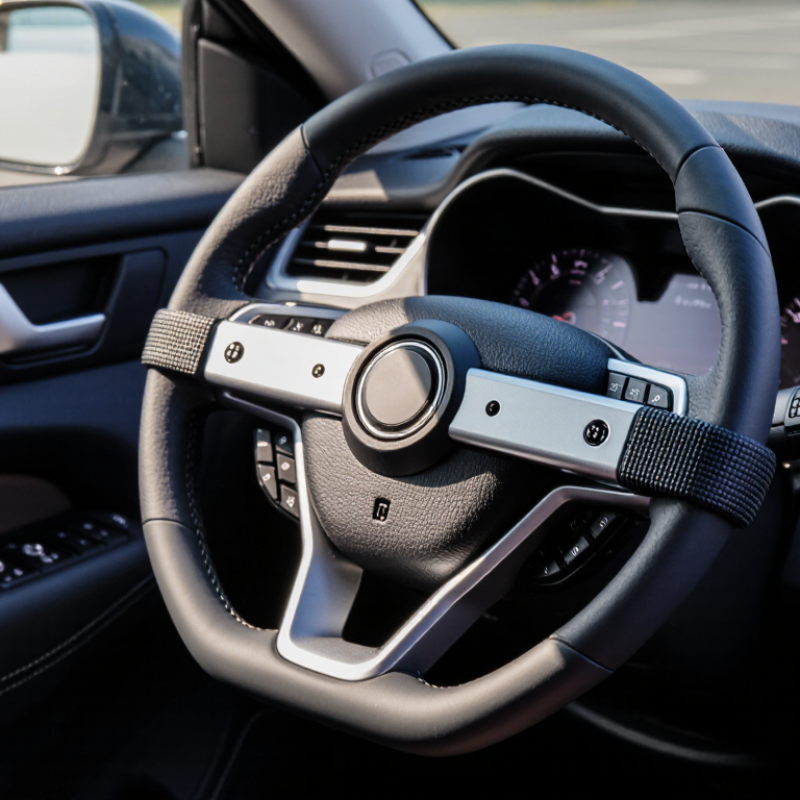
A steering wheel lock bar helps deter vehicle theft by adding a visible obstacle before a thief can drive away. Its metal frame across the wheel is easy to notice through a window. That visibility matters. Someone seeking a quick opportunity may move on when a vehicle appears harder and slower to take. No device can promise complete protection, though.
When choosing a bar, check that it adjusts securely to your steering wheel and feels sturdy when fitted. Look for firm joints, a reliable locking mechanism, and a design that does not slip with a gentle pull. Test the fit while parked; a loose bar can feel reassuring but offer less resistance. Consider where it stores, too. A bulky lock left on a seat may become annoying, and annoying gear gets skipped.
Use it consistently, even during a short stop. Pairing it with everyday habits—locking doors, closing windows, and parking in a visible area—adds layers of deterrence. Keep the key separate from the vehicle, and check the lock periodically for wear or rust. I would not treat the bar as a guarantee. It can add delay and visibility, but that distinction is easy to forget.
How to Check Compatibility With Your Vehicle
How to Choose the Best Steering Wheel Lock Bar?
How to Check Compatibility With Your Vehicle
Start by checking your steering wheel’s outside diameter and rim thickness. Measure across the widest point, then around the rim where the lock will grip. Compare those measurements with the lock’s stated adjustment range. A thick leather cover or unusual wheel shape can affect the fit. Small gaps matter. Also check the distance between the wheel and dashboard, especially if the wheel tilts or telescopes. The bar should fit without pressing buttons, blocking the horn, or interfering with an airbag cover.
Tips: Check your vehicle manual and the lock’s fit guide. Adjust the seat and steering wheel before testing. Make sure the bar can attach securely and be removed without forcing it.
Test the lock while parked. Turn the wheel through its normal range and check that the bar does not hit the windshield, instrument panel, or stalk controls. If your wheel has a flat bottom or bulky spokes, confirm that the locking points still line up. I used to assume that a longer bar meant a better fit; it can instead leave awkward clearance or sit at an unstable angle. Compatibility is specific to the wheel, not just the vehicle model. When details are unclear, measure again and ask the seller for the exact fit dimensions before buying.
How to Choose the Best Steering Wheel Lock Bar: Vehicle Compatibility Checks
Before buying, measure your steering wheel and compare the diameter, rim thickness, and spoke clearance with the lock’s stated fit range. Check that the bar can be adjusted securely and will not interfere with vehicle controls. Each bar represents a required compatibility check, not a product rating.
How to Compare Materials, Lock Types, and Build Quality
A steering wheel lock bar is useful only when it fits your car and feels solid in daily use. Compare its material, not just its weight. Hardened steel is generally more resistant to cutting than thin, soft metal, while a protective coating can help limit scratches and corrosion. Still, a heavy bar can be awkward to position, and weight alone does not prove strength. Check the joints and telescoping sections for looseness. Small gaps matter.
Lock design affects convenience as much as resistance. A key cylinder should turn smoothly and sit behind a sturdy housing. A combination model avoids carrying a key, but its dials should move cleanly and remain easy to read. Test the mechanism several times before buying. Inspect the engagement point, welds, and end hooks; uneven seams or rattling parts may indicate rushed construction. Try fitting the bar across your steering wheel. It should engage without force and come off without interfering with normal driving. No bar is foolproof. A slight fit issue is easy to overlook in a shop, then annoying every morning.
How to Evaluate Fit, Visibility, and Ease of Use
A steering wheel lock bar should fit firmly without forcing the wheel or touching nearby trim. Check your wheel’s size and shape, then compare them with the lock’s adjustment range. Install it while parked and confirm it stays secure through gentle hand pressure. A loose bar may be awkward to use. A bar that is too long can be harder to store and position. Visibility matters, too: a bright, clearly visible lock may signal an extra obstacle, though it cannot guarantee a vehicle will not be stolen. The National Insurance Crime Bureau reported more than 1 million vehicle thefts in the United States in 2023. That figure is a reminder to treat a lock as one layer of security, not a complete solution.
Tips: Test the fit before relying on it. Keep the key easy to reach, and practise locking and removing the bar without rushing. Look for smooth edges and a mechanism that operates consistently. I’d be cautious about choosing solely by price; a lock that stays in the trunk because it is inconvenient offers little practical value. Recheck the fit if you change vehicles. Small details can matter.
How to Match a Lock Bar to Your Security Needs and Budget
A steering wheel lock bar should fit both your vehicle and your daily routine. Check the bar’s adjustment range against your steering wheel before buying; a tight fit matters more than a dramatic-looking design. Look at the locking mechanism and construction, too. A solid-feeling bar with a keyway that turns smoothly is easier to use consistently. Small details matter.
Your surroundings help set the budget. If your car is parked outdoors overnight or in a shared lot, you may value a sturdier model and a visible deterrent. For occasional use in a secure garage, a simpler option may be enough. No lock can guarantee that a vehicle will not be stolen, so treat a bar as one layer of security, not a complete solution. Check dimensions and product details carefully, since fit can vary between vehicles.
Consider the cost beyond the sticker price. A lock that is awkward to store or slow to attach may end up unused. Try handling it, if possible, and see whether it fits in your trunk or under a seat. Cheap can be a false saving. Still, the most expensive model may offer features you do not need. I would compare fit, ease of use, and construction first, then choose a price that feels sensible. You may need to rethink your choice after a few weeks of daily use.