How to Choose the Best Angle Head Holder for Your Needs?
Choosing the right Angle Head Holder can be challenging. With so many options available, it’s easy to feel overwhelmed. Every project requires specific tools that can impact quality and efficiency.
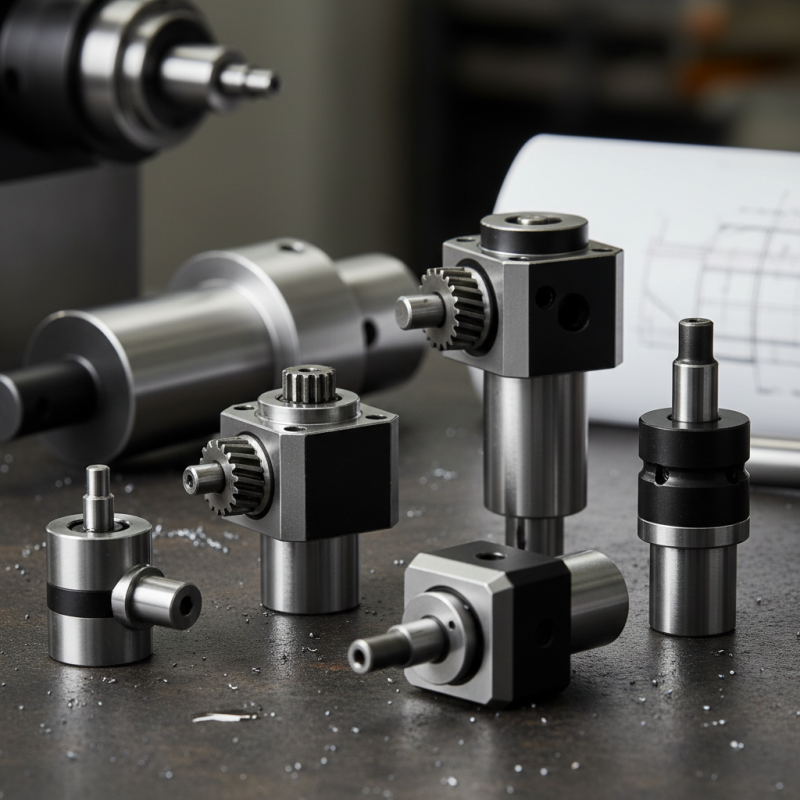
An ideal Angle Head Holder enhances your machining capabilities. It allows for versatile angles and improved access to tight spaces. Consider the material and design. A sturdy holder provides durability for demanding tasks. However, not all holders fit every machine perfectly. You might find some designs lacking.
Reflect on your needs. What type of projects do you undertake? Evaluate the weight and balance of different models. A poorly chosen holder can lead to frustration during use. Investing time in research pays off in the long run. Think critically about how each option aligns with your work.
Understanding the Purpose of an Angle Head Holder
An angle head holder is essential for various machining tasks. It allows tools to operate at various angles, enhancing versatility. Recent industry studies show that up to 30% of machining time is wasted on tool changes. By utilizing an angle head holder, companies can streamline processes and reduce downtime.
Understanding the purpose of an angle head holder is crucial. It enables operators to access hard-to-reach areas. This flexibility can improve production efficiency significantly. In fact, reports suggest that efficient tool management can lead to a 15% increase in productivity. However, not all angle head holders are made equal. Factors like compatibility, size, and material must be considered carefully.
Choosing the best angle head holder involves evaluating specific tasks. Consider the materials being cut and the required angles. Some holders may not perform well under stress or high speeds. Reflection on ergonomics and ease of use is also necessary. A holder that is too heavy or awkward can hinder progress and lead to errors. Make informed decisions to ensure optimal performance in machining operations.
How to Choose the Best Angle Head Holder for Your Needs?
| Dimension | Description | Considerations |
| Size | Choose an angle head holder that fits your tool requirements based on the size of your workpieces. | Ensure compatibility with existing tools and workspace constraints. |
| Material | Select a material that can withstand your working conditions, such as metal for durability. | Consider the type of materials you will be working with to avoid wear and tear. |
| Angle Range | Find a holder with a suitable angle range for your operations. | Look for holders that offer flexibility for various applications. |
| Weight | Consider the weight of the angle head holder to ensure it is manageable and compatible with your machinery. | Heavier holders may provide stability but can affect machine performance. |
| Cost | Evaluate your budget against the features offered by the angle head holder. | Cheaper options might lack features, while pricier ones may offer better quality and longevity. |
Key Features to Consider When Selecting an Angle Head Holder
Choosing the right angle head holder can be a challenge. Several key features should guide your decision. Consider the construction material. A sturdy holder made from high-quality materials increases durability and ensures better performance. Pay attention to weight. A heavier holder can provide more stability during machining. However, it may also be cumbersome to handle.
Next, check the compatibility with your existing equipment. A versatile angle head holder works with various machines. Make sure it fits your need for quick changes and adjustments. The angle adjustment range is also crucial. More flexibility allows for greater precision in operations.
Finally, think about the clamp mechanisms. Secure grips are essential. Loose fittings can lead to errors during cutting. Ensure the adjustment process is smooth. It should not be frustrating. Balance simplicity with functionality. Finding the right holder may take time. Make a few mistakes. Learn from them. Assess your unique needs carefully. These factors will lead you to the most suitable choice.
Evaluating Compatibility with Your Existing Tools and Equipment
When considering an angle head holder, compatibility with your existing tools is crucial. A study by the Machining Industry Association indicated that roughly 45% of production downtimes occur due to equipment mismatches. Incorrect attachments can lead to inefficiencies and even damage. It’s essential to analyze the specifications of your current tools before purchase.
Tips: Measure the spindle taper of your machine accurately. This step ensures a snug fit with your new holder. Additionally, review the dimensions of your angle head. A small discrepancy may impact tool performance, leading to wasted materials.
Consider your existing equipment's limitations. You've invested in tools that meet specific needs. Fitting an angle head that doesn’t align can cause workflow disruptions. A report from the Tooling Technology Council highlighted that 30% of users experience performance drops when using incompatible attachments. Be wary of overly generic solutions. Take the time to match compatibility explicitly. Adjustments may involve unexpected costs.
Assessing Durability and Build Quality for Long-Term Use
Choosing the right angle head holder is crucial for any metalworking task. Durability and build quality significantly impact long-term use. A well-constructed holder can withstand wear and tear. Look for materials that resist deformation and corrosion. Steel and aluminum are often good choices. They provide strength without adding unnecessary weight.
Tips: Always check the weight capacity. A holder that is too lightweight may not support heavier tools well.
Another aspect to consider is the precision of the design. A well-machined holder ensures accuracy during operation. Misalignment can lead to poor results and even accidents. Pay attention to fit and finish. An imperfect surface might indicate lower quality.
Tips: Consider how easy it is to replace parts. Sometimes, a durable tool becomes useless if a small component fails.
Lastly, user feedback can offer valuable insights. Sometimes, people may overlook minor flaws. Reading reviews can save future headaches. A little research can go a long way in finding a reliable angle head holder.
Comparing Cost vs. Benefits of Different Angle Head Holders
When selecting an angle head holder, understanding the cost versus benefits is crucial. A comprehensive report from the Manufacturing Trends Institute states that over 70% of companies prioritize cost savings when choosing equipment. However, investing in quality can lead to long-term efficiency. Angle head holders vary widely in price, influenced by their design and durability. For instance, a high-quality holder can range from $500 to $1500. Yet, a cheaper option may only last a fraction of that time.
It's essential to consider performance metrics. Data indicates that a reliable angle head holder can improve machining precision by up to 35%. This improvement often outweighs the initial cost. Many users also report that the lower-quality options often lead to increased wear on tools, costing more in replacements. While the upfront investment might be high, the return on efficiency is often worth it. Not every option guarantees optimal performance. Some users find themselves needing to replace their holders more frequently due to poor durability. Understanding these trade-offs helps in making an informed decision.
Select wisely to ensure it meets your operational demands.