

How to Choose Science Museum Exhibits for Your Museum
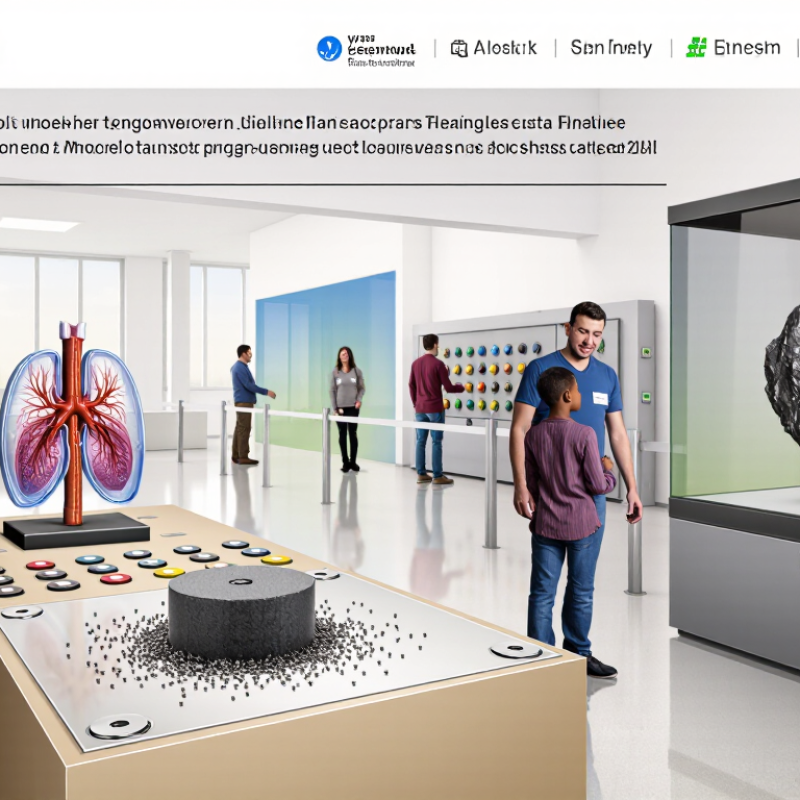
Choosing Science Museum Exhibits requires more than selecting impressive machines or colorful displays. A successful exhibit should answer a clear question, invite physical discovery, and respect the visitor’s attention. It must also suit the museum’s mission, available space, budget, and audience. A touchable magnet, a working lung model, or a small meteorite case can create stronger memories than an expensive screen.
Frank Oppenheimer, founder of the Exploratorium, expressed this purpose clearly: “The art of teaching is the art of assisting discovery.” His principle remains valuable when museums assess interactive exhibits. Visitors should test ideas, make observations, and reach conclusions through guided experience. Clear labels, accurate explanations, and accessible controls support that process. Expert review is essential, especially for exhibits involving electricity, motion, chemicals, or biological materials. Reliable maintenance matters too. A broken button can weaken trust quickly.
The best choices often emerge from evidence, not fashion. Museum teams can observe visitor behavior, interview teachers, and test prototypes with different age groups. A crowded exhibit may indicate popularity, confusion, or poor layout. Those meanings differ. Evaluation needs patience. Mistakes will happen. Some displays may look excellent but teach very little. That uncomfortable finding deserves attention, not concealment. The final selection should balance scientific accuracy, emotional engagement, durability, inclusion, and measurable learning outcomes. It should also leave room for curiosity after visitors leave. A strong exhibit does not deliver every answer. It gives people a reason to keep asking questions.
Define Your Museum’s Goals and Visitor Needs
How to Choose Science Museum Exhibits for Your Museum
Define Your Museum’s Goals and Visitor Needs
Before selecting science museum exhibits, clarify what your museum wants visitors to learn, feel, or question. A physics gallery might support school lessons, while a community museum may prioritize curiosity and family conversation. Write three measurable goals, such as “visitors can explain energy transfer using one example.” Clear goals make exhibit choices more reliable.
Study your visitors carefully. Observe where children stop, what adults read, and which displays become crowded. Ask teachers, families, older visitors, and people with disabilities about their expectations. A six-year-old may need a large moving mechanism, while a teenager may prefer data, challenges, and control. During a previous exhibit review, I noticed that visitors ignored excellent text because it was placed below a stroller handle. The content was accurate, but the design failed. That mistake still matters.
Tips: Match each exhibit to one visitor need and one learning goal. Test labels with real visitors before opening. Keep instructions short. Provide quiet spaces, reachable controls, clear lighting, and multiple ways to explore. Use tactile elements only when they are safe, durable, and easy to clean. Record feedback, including criticism. Your first choice may be wrong.
Consult educators, scientists, accessibility specialists, and museum technicians before approving purchases. Check evidence behind every claim, maintenance requirements, replacement parts, and staff training time. An impressive exhibit can become unusable when repairs exceed the budget. Leave room for revision. Visitor needs change.
Assess Exhibit Content, Accuracy, and Educational Value
How to Choose Science Museum Exhibits for Your Museum
Assess Exhibit Content, Accuracy, and Educational Value
Choosing a science exhibit requires more than attractive lighting and interactive screens. The content must be accurate, current, and suitable for the museum’s audience. I once reviewed an exhibit that explained climate patterns clearly, but its data labels were outdated. Visitors could learn the wrong lesson from a polished display.
Ask who produced the scientific information and how it was reviewed. Reliable exhibits should identify evidence sources, explain uncertainty, and separate established findings from developing theories. Check dates, measurements, diagrams, and translations carefully. A small error in a scale model can confuse children for years. Expert review is valuable, but independent checking is better. Museums should also plan regular content updates.
Tips: Test the exhibit with real visitors. Watch where they hesitate. Ask them to explain one idea in their own words. If they only remember a colorful button, the educational design needs work. Include tactile elements, readable labels, and questions with more than one possible answer. Keep accessibility in mind, including height, sound levels, contrast, and language clarity. Educational value is not measured by the number of screens. Sometimes a simple pendulum, a visible mechanism, or a carefully framed question creates deeper understanding. My own assessments are not perfect; visitor behavior can be influenced by crowded galleries or tiredness. Record those limitations instead of hiding them.
Compare Interactive Features, Accessibility, and Audience Engagement
Choosing science exhibits requires more than visual appeal.
During gallery planning, I compare how each feature invites visitors to act, question, and return. A touch panel may look modern, yet a simple lever can explain force more clearly. I watch school groups use prototypes for ten minutes. Their pauses reveal confusion. Their laughter reveals genuine discovery. I record both.
Interactive quality depends on purpose, feedback, and durability.
Visitors should see an immediate result after pressing, turning, or building. Controls need clear symbols, readable text, and enough space for different hand sizes. Accessibility must be tested, not assumed. I check wheelchair reach, audio alternatives, captions, lighting, and quiet routes. I also invite people with varied abilities to test the exhibit. Our first layout was too crowded. We changed it after observing blocked pathways.
Audience engagement
Audience engagement grows when visitors connect evidence with everyday life. A climate display might let families compare room temperatures or explore energy choices. Short prompts encourage discussion without controlling every answer. Reliable content needs expert review, dated sources, and maintenance checks. Staff should understand the science and explain uncertainty honestly. I still question our surveys because enthusiastic visitors often answer them. Those who leave quickly remain harder to hear. Their silence may signal poor design, not poor interest.
Evaluate Space, Safety, Maintenance, and Installation Requirements
How to Choose Science Museum Exhibits for Your Museum
Evaluate Space, Safety, Maintenance, and Installation Requirements
When I assess a science exhibit, I measure the room before judging its visual appeal. Record ceiling height, doorway width, floor loading, power access, and visitor circulation. A large interactive display may fit on paper but block an emergency route in practice. Leave clear space around controls, wheelchairs, and school groups. Small details matter.
Safety needs more than a quick visual check. Look for sharp corners, pinch points, hot surfaces, loose cables, and unstable structures. Test the exhibit with children, adults, and visitors using mobility aids. Review local building, fire, electrical, and accessibility requirements with qualified professionals. I once underestimated noise from an air-powered demonstration. It disturbed nearby galleries, so the layout needed revision.
Maintenance should be planned before installation. Ask how often surfaces, sensors, lighting, and moving parts require inspection. Check whether staff can reach service panels without removing major sections. Keep cleaning instructions, inspection logs, spare components, and emergency procedures on site. Installation drawings should show anchoring points, weight distribution, ventilation, and cable routes. A trial setup can reveal awkward access or weak visitor flow. It may also expose assumptions that looked reasonable during planning.
Review Costs, Vendors, and Long-Term Exhibit Sustainability
Choosing science museum exhibits requires more than an attractive concept. Costs continue after installation. The American Alliance of Museums’ 2017 economic impact report estimated that U.S. museums generated 850 million visits and supported 726,000 jobs. That scale creates pressure to deliver reliable visitor experiences. Request itemized quotes for design, fabrication, shipping, software, training, and replacement parts. Ask vendors for three-year maintenance records. A low purchase price can hide expensive repairs.
Sustainability needs measurable evidence. The International Energy Agency reports that buildings account for about 30% of global energy demand. Interactive exhibits can add screens, sensors, cooling needs, and frequent replacements. Specify energy use per operating hour, standby consumption, recyclable materials, and repair access. Favor modular displays. Components should be replaceable without dismantling the entire exhibit. Test one prototype with real visitors before approving a full build. That small trial may expose confusing instructions, fragile buttons, or inaccessible controls.
Vendor promises need careful testing. Require service response times, spare-parts availability, software documentation, and clear ownership of content files. The UNESCO 2022 report, Re|Shaping Policies for Creativity, highlights the importance of resilient cultural institutions and sustainable creative ecosystems. Yet sustainability is not only environmental. It includes staffing, updates, accessibility, and relevance. I have seen impressive exhibits age quickly because nobody budgeted for content renewal. A five-year plan is useful, but not perfect. Recheck assumptions annually. Visitor behavior changes. Technology changes faster.

