How to Choose Electric Ball Valves for Your Project?
Selecting the right Electric Ball Valves for your project can be challenging. These components play a crucial role in fluid control systems. They must fit the specific needs of your application, whether it’s in a commercial or industrial setting.
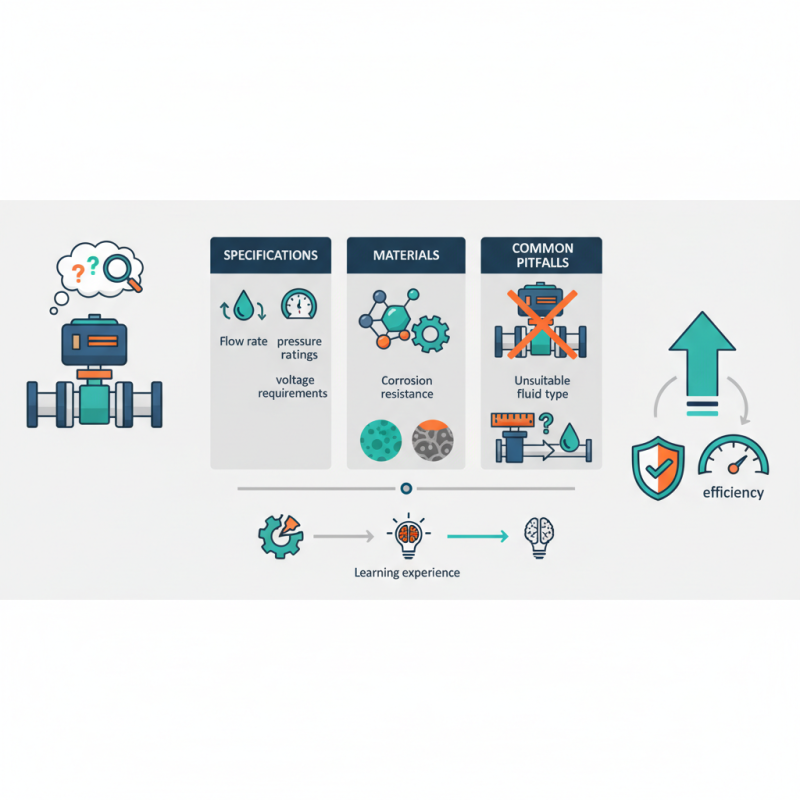
Understanding the desired specifications is essential. Consider flow rate, pressure ratings, and voltage requirements. Pay attention to the materials used in construction. This can affect durability and performance. For instance, some materials may resist corrosion better than others.
At times, even the best planning can lead to errors. You might misjudge the size of the valve needed. Or, you may choose a valve type that’s not suitable for your fluid. Learning from these experiences shapes your future choices. Remember, electric ball valves can significantly impact efficiency and safety. Make informed decisions for optimal results.
Understanding the Basics of Electric Ball Valves
Electric ball valves are crucial in many industries. They offer precise control of fluid flow and are efficient. Understanding their structure is essential for any project. A ball valve uses a spherical disc to obstruct flow. When the valve is open, the disc allows fluid to pass through smoothly. This design minimizes pressure loss and turbulence.
The automation of ball valves can greatly enhance operations. According to industry reports, up to 40% of energy is wasted in inefficient systems. Implementing electric ball valves can reduce this waste significantly. Their response time is quick, usually within seconds, providing better process control. Many models support modulating control, making them suitable for various applications.
When choosing an electric ball valve, consider factors like the flow requirements and material compatibility. It’s easy to overlook these details. The wrong type can lead to leaks or failures. Reports indicate that nearly 30% of valve failures stem from incorrect sizing or material choice. Proper evaluation can prevent costly mistakes. Understanding the basics is just the first step in ensuring a successful integration into your system.
Electric Ball Valves Performance Comparison
Key Factors to Consider When Selecting Electric Ball Valves
Choosing the right electric ball valve can be a daunting task. It’s essential to consider several key factors before making a decision. One of the most critical aspects is the size of the valve. The size should match the existing pipework. A mismatch can lead to inefficiencies and potential leaks. Ensure accurate measurements to avoid costly errors.
Another vital factor is the voltage requirements of the valve. Different systems may operate on various voltage levels. Knowing your system's voltage saves you from compatibility issues later on. Additionally, pay attention to the response time of the valve. Some projects require fast operation, while others may not. This can significantly impact performance.
The material of the valve body also matters. It should withstand the conditions of your environment, like temperature and pressure. Some materials may corrode over time, affecting functionality. It’s worth considering the long-term effects of your choice. Remember, the best option isn’t always the most expensive. Careful evaluation of these details can lead to better decisions.
Assessing Compatibility with Your System Requirements
Choosing the right electric ball valves involves assessing compatibility with your specific system requirements. Each project has unique demands, and a one-size-fits-all approach may lead to inefficiencies. Consider factors like pressure ratings, temperature limits, and fluid types. These elements are crucial in ensuring the valve performs effectively in your system.
Tips: Always double-check flow rates. The valve's capacity must align with your system's needs. A mismatch can cause failures. Ensure the electrical specifications match your system's voltage and phase requirements. This step can prevent potential electrical hazards.
Compatibility goes beyond mere specifications. Installation scenarios can vary. Think about space constraints and accessibility for maintenance. Sometimes, a seemingly simple choice can become complicated in practice. Ask yourself, will this valve fit easily in my setup? Consider the long-term implications of your choice. Planning for future upgrades is always wise.
How to Choose Electric Ball Valves for Your Project? - Assessing Compatibility with Your System Requirements
| Dimension | Description | Example Value |
| Voltage | Operating voltage for the valve | 24 V AC/DC |
| Size | Valve size in inches or millimeters | 1.5 inch |
| Flow Rate | Maximum flow rate specification | 120 GPM |
| Connection Type | Type of connection to pipes | Threaded |
| Material | Material used to construct the valve | Brass |
| Temperature Rating | Maximum and minimum operating temperature | -10 to 80 °C |
| IP Rating | Ingress Protection rating | IP67 |
Evaluating Performance Specifications for Electric Ball Valves
When evaluating electric ball valves for your project, performance specifications play a crucial role. Factors like flow rate and pressure drop are essential. According to industry reports, a well-chosen valve can improve system efficiency by up to 30%. The size of the valve affects its flow capabilities. Always consider the application’s requirements first.
Tip: Always check the valve's maximum pressure ratings. A mismatch can lead to failures or leaks. Pay attention to the materials used in valve construction. Corrosion-resistant materials extend the valve's lifespan significantly. Some studies suggest that using high-quality materials can reduce maintenance costs by around 25%.
Additionally, response time is critical. Electric ball valves typically operate faster than manual ones. However, variations exist. Some valves must open or close in under five seconds, while others take longer. Understanding these specifications ensures you make an informed choice. Notably, this can impact your project's timeline and overall effectiveness.
Budgeting and Cost Considerations for Your Project
When budgeting for electric ball valves, several key factors come into play. The average cost of electric ball valves can range from $50 to $500, depending on size and specifications. Due to rising material costs, understanding pricing structures is crucial. A recent industry report highlighted that prices for electric valves have seen a 15% increase over the past year. This trend impacts project budgets significantly.
Tips for budget consideration: Research various suppliers to gather quotes for electric ball valves. This will help you make an informed decision that aligns with your budget. Don’t forget to account for installation costs, which may sometimes exceed the valve price. A detailed cost breakdown ensures no unexpected expenses arise later.
Another factor is the long-term savings associated with energy efficiency. Some valves can reduce energy consumption by up to 30%. While they may have a higher upfront cost, the savings can justify the initial investment. This is a vital consideration that deserves reflection within your project’s financial framework. Balancing immediate spending with potential returns is key. Always think about the overall lifecycle of the product in your decision-making process.