How to Choose the Best Farming Drones for Your Needs?
As agriculture evolves, Farming Drones are becoming essential tools for modern farmers. According to a 2022 report by Research and Markets, the global agriculture drone market is expected to reach $6.4 billion by 2025. With increasing demand for precision farming, these drones offer advanced capabilities for crop monitoring and soil analysis.
Farmers can analyze large areas quickly. Drones can capture high-resolution images, allowing for precise insights about crop health. However, selecting the best Farming Drones involves understanding unique requirements. This choice is not always straightforward, as needs can vary significantly among farms.
Innovations in drone technology are rapid. Some farmers may find the latest models overwhelming, while others struggle to find the right features for their operations. It's crucial to evaluate options based on specific farming goals and practices. By choosing wisely, farmers can optimize their yields and effectively manage resources. Making informed decisions is key to embracing this technology for better agricultural outcomes.
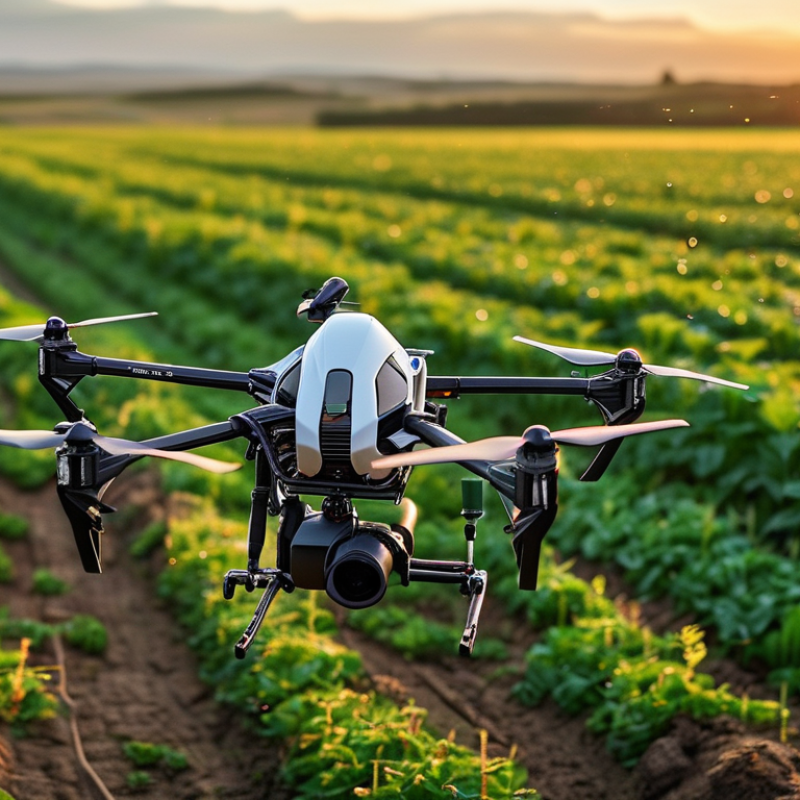
Factors to Consider When Selecting Farming Drones
When selecting a farming drone, several key factors must influence your decision. First, consider the size of your farm. Larger farms may require drones with extended flight times and the ability to cover vast areas efficiently. On the other hand, smaller plots might benefit from more compact models that are easier to maneuver.
Another important aspect is the type of crops you grow. Different drones are designed for various applications, such as crop monitoring, pest control, or seed dispersal. Make sure the drone's capabilities align with your specific farming needs. Also, assess the technology features. High-resolution cameras and advanced sensors can provide invaluable data for precision farming.
Reflecting on your budget is unavoidable. While advanced drones can be costly, they often pay off in the long run through improved yields. Consider maintenance and the learning curve associated with your chosen model. Not all farmers feel comfortable with complex technologies. Balancing your technical skills with the drone’s requirements is crucial. Finding a model that fits your expertise may enhance your farming experience and results.
Types of Drones Suitable for Agricultural Use
When selecting a drone for agricultural use, it's essential to understand the different types available. Multirotor drones are popular due to their stability and ability to hover. They are ideal for crop monitoring and mapping smaller fields. These drones can capture high-resolution images, making it easier for farmers to assess plant health. However, their flight time might be limited, which could necessitate multiple batteries for larger areas.
Fixed-wing drones are another option. They can cover larger fields with fewer battery changes. These drones often have longer flight times and can carry heavier payloads for soil and crop analysis. However, they may require more extensive setup and can be less maneuverable in tight spaces. Some farmers might find their complexity daunting and might need additional training.
Finally, hybrid drones combine features of both types. They offer versatility but often come with a higher cost. Understanding these options allows farmers to choose a drone that fits their specific needs. It's important to consider the terrain, the size of the fields, and the type of data required. As technology evolves, farmers should remain open to learning and adapting their practices. This ongoing process ensures they make informed decisions about their agricultural tools.
Key Features to Look for in Farming Drones
When selecting a farming drone, it’s crucial to focus on key features that align with your specific requirements. Start by considering the drone's payload capacity. A higher capacity allows the drone to carry more sensors or sprayers, increasing efficiency. The flight time is another vital aspect. Extended battery life enables larger areas to be surveyed in a single flight while reducing downtime.
Next, examine the drone's camera quality. High-resolution cameras provide detailed imagery, which is essential for accurate crop analysis. Additionally, look for drones equipped with multispectral sensors. These devices capture data beyond human vision, offering insights into crop health and vigor. Also, consider the ease of use. A user-friendly interface can significantly reduce the learning curve for farmers who may not be tech-savvy.
Finally, reliability is paramount. Brand reputation often speaks to durability and customer support. Explore user reviews and expert testimonials to gauge performance in real-world conditions. Investing time in research can mitigate risks and enhance farm productivity. Remember, the best drone for you may not be the most expensive one; it needs to fit your unique farming goals.
Cost Analysis: Budgeting for Your Farming Drone Purchase
When budgeting for your farming drone purchase, you must consider several factors. A recent industry report indicates that the average cost of agricultural drones ranges from $1,000 to $25,000. This price variation is based on features, technology, and the size of the drone. Entry-level models might be suitable for small-scale farms, while larger operations may require high-end drones equipped with advanced sensors.
Maintenance costs can also add to overall expenses. According to studies, regular upkeep can account for 10% to 15% of the initial purchase price annually. Additionally, software subscriptions and data analysis services can further strain budgets. Many farmers underestimate these ongoing costs, leading to financial strain later.
Investing in training is crucial as well. Operator training can range from $200 to $2,000, depending on the complexity of the drone. Skipping this can result in inefficient use of the equipment. Ultimately, understanding the total cost of ownership helps in making informed decisions. Proper budgeting prevents unforeseen financial pitfalls.
Best Practices for Utilizing Drones in Agriculture
As the agricultural sector increasingly embraces technology, drones have emerged as essential tools. These flying devices provide invaluable data for crop monitoring and management. According to a report by MarketsandMarkets, the global agricultural drone market is projected to reach $6.5 billion by 2026. The insights gained from aerial imagery can help farmers make informed decisions, optimizing yield while minimizing costs.
Utilizing drones effectively requires understanding specific needs. Identifying crop type, acreage, and purpose, such as surveillance or spraying, are crucial first steps. Drones can monitor crop health through multispectral imaging, detecting issues early on. Studies suggest timely intervention can increase yields by up to 15%.
Tips: Ensure your drone is equipped with the right sensors for your crops. Regular maintenance extends its lifespan and ensures reliability. Also, consider local regulations regarding drone usage to stay compliant. Balancing technology with traditional farming practices often leads to the best outcomes. Recognizing that every operation may have unique challenges encourages flexibility in drone application.