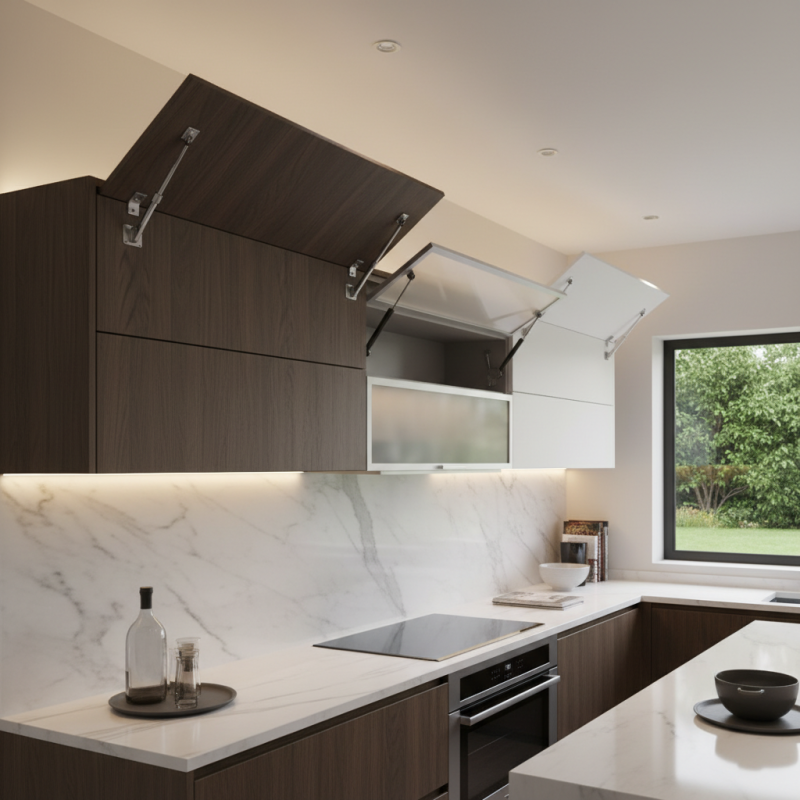
How to Choose Cabinet Door Lift Support for Your Kitchen?
Choosing the right Cabinet Door Lift Support is crucial for modern kitchens. In recent years, the kitchen design market has seen a significant growth, estimated to surpass $200 billion by 2025. A key component of this trend is functional hardware, which includes lift supports.
Many homeowners struggle with opening and closing cabinets. Traditional hinges can be cumbersome, leading to frustration. According to industry reports, over 30% of kitchen remodels involve upgrading cabinet hardware for better accessibility. Selecting the best lift support can enhance usage while maintaining aesthetic appeal.
It’s essential to consider weight capacity and type of lift support available. Not all support mechanisms are created equal. Improper choices may lead to cabinet damage. This makes reflection on your kitchen's specific needs vital. Balance between style and functionality is essential for long-term satisfaction.
Factors to Consider When Selecting Cabinet Door Lift Supports
When selecting cabinet door lift supports for your kitchen, consider several key factors. Weight is crucial. The support must handle the weight of the cabinet door effectively. Too weak a support can lead to frustration. The materials used also matter. Metal hinges can last longer but might rust over time. Plastic options can be lighter but may wear down faster.
Another aspect to think about is the ease of installation. Some supports come with complicated assembly guidelines. This can cause unnecessary delays. If you are not handy, you may need professional help. You should also evaluate the style of your kitchen. The lift supports need to match your aesthetic. A mismatched support can distract from your design vision.
Finally, look for adjustable options. These allow you to customize the lift for your needs. However, they might be more expensive. Consider your budget carefully. It's easy to overspend on features that may not be essential. A balance of functionality and style is often hard to achieve but essential for long-term satisfaction.
How to Choose Cabinet Door Lift Support for Your Kitchen? - Factors to Consider When Selecting Cabinet Door Lift Supports
| Factor | Description | Recommended Capacity (lbs) | Common Uses |
| Weight Capacity | The total weight the lift support can handle. | 20 - 50 lbs | Upper cabinets, small pantry doors |
| Arm Length | The distance from the hinge to the end of the lift support arm. | 12 - 24 inches | High cabinets, overhead storage |
| Type of Lift System | Different systems include gas lift, pneumatic, and spring tension. | N/A | Cabinet doors, folding tables |
| Installation Type | Surface-mounted or concealed options. | N/A | Modern cabinets, traditional cabinetry |
| Adjustability | Whether the lift support can be adjusted for different heights or weights. | N/A | Versatile setups, custom installations |
Understanding Different Types of Cabinet Door Lift Supports Available
When selecting cabinet door lift supports for your kitchen, it's essential to understand the different types available. There are gas struts and spring lifts, each offering unique benefits. Gas struts provide a smooth lifting motion and can handle heavier doors. They often last longer than traditional spring lifts. Spring lifts are usually more affordable and can be easier to install for lighter doors.
Tips: Consider the weight of your cabinet door. Choose a lift support that can handle that weight comfortably. It’s vital to check the dimensions. Some lifts may not fit in smaller cabinets.
You may find that not all lifts work seamlessly. Their effectiveness can vary based on door size and weight. It’s wise to test different types. You might also want to pay attention to the installation process. If it feels complicated, don’t hesitate to seek advice. Choosing the right support can improve the functionality of your kitchen cabinets significantly.
Evaluating the Weight Capacity of Lift Supports for Optimal Performance
When selecting cabinet door lift supports for your kitchen, weight capacity is crucial. Each support has a specific limit. If you exceed this limit, the mechanism can fail. This failure can lead to damage or injury. Understanding the weight capacity ensures reliable performance.
Consider the weight of your cabinet doors. Heavy wooden doors require stronger supports. Lighter materials such as plywood might need less robust options. It’s essential to shop carefully. Ignoring weight limits can result in frustrating installations. Additionally, consider the frequency of use. Heavier doors used often need more durable supports.
Not everyone thinks about these details. Some may choose aesthetically without understanding function. This oversight can affect everyday use. It’s worth reflecting on what works best for your space. You might find yourself returning to the store for replacements. Choose wisely to avoid this hassle. Ensuring optimal performance begins with informed decisions about weight capacity.
Assessing Mounting Options for Effective Cabinet Door Operation
When considering mounting options for cabinet door lift supports, it's crucial to understand your kitchen's layout and usage. The type of mount can significantly influence how smoothly your cabinet doors operate. For instance, a top-mount is often easier to install and provides a clean look. However, side-mount installations can offer better stability for heavier doors.
Assessing your specific needs will help you decide which option works best. Will the cabinet store lightweight dishes or heavy pots? A heavier door may require additional support to function properly. Ensure that the chosen mount aligns with the cabinet's design and available space. It's also important to think about the clearance for the door. A well-measured gap can prevent frustrating collisions with nearby objects.
Regular assessments of the lift supports are often overlooked. Over time, wear and tear can affect their performance. Take a moment to check for any signs of damage or misalignment. This can save time and prevent headaches later. Sometimes, the simplest mounting choices lead to unexpected challenges. Reflection on these small details is vital for achieving the best cabinet experience.
Importance of Material Quality in Cabinet Lift Support Durability
When selecting cabinet door lift supports for your kitchen, material quality is vital. The support system should withstand daily use. Strong materials ensure longevity, reducing the need for replacements. Various materials, like metal or plastic, each offer unique benefits. Metal provides strength, while plastic can reduce weight. However, cheap plastic may not hold up.
Sometimes, buyers overlook the impact of quality. They might choose cheaper options to save money, but this can backfire. Low-quality supports can lead to sagging doors. Eventually, this becomes frustrating. Weight distribution should also be considered during the selection. A poorly chosen material may struggle to manage heavier cabinets.
Further, the environment in your kitchen matters. Humidity and heat levels can affect material durability. Materials that resist moisture are essential in a kitchen setting. This may seem obvious, yet many ignore it. Great lift supports should blend seamlessly with your cabinetry. You want functionality over flashy designs. A practical choice leads to better user experience. Reflect on these details before making a decision.