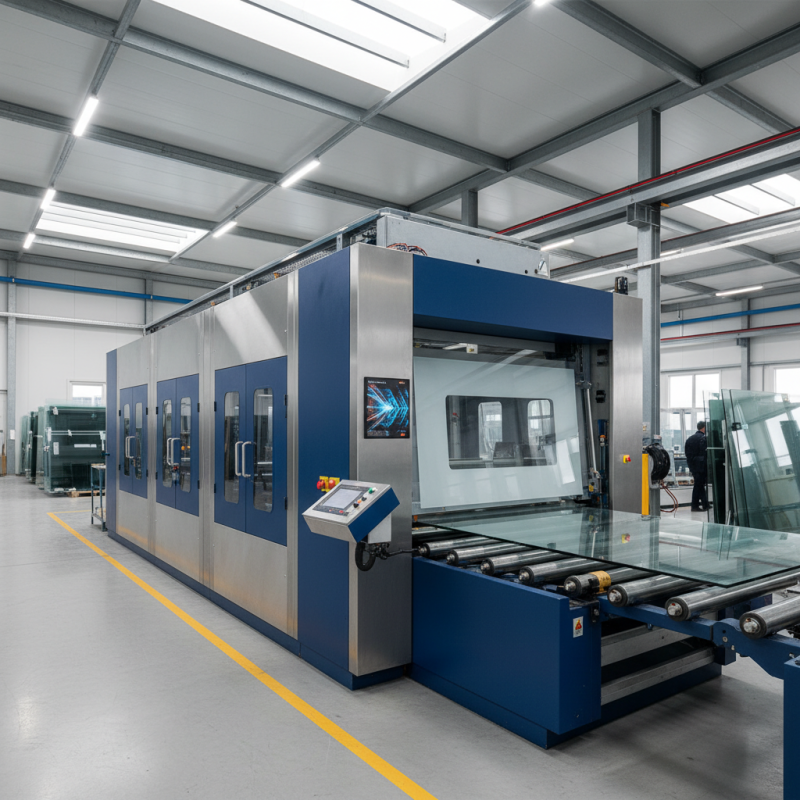
How to Choose the Best Glass Lamination Machine for Your Needs?
Choosing the right Glass Lamination Machine can be a daunting task. With numerous options on the market, making an informed decision is crucial. This machine plays a vital role in enhancing safety and aesthetics in glass production.
Consider your specific needs before making a purchase. Evaluate the scale of your operations. Are you a small business or a large manufacturer? Different machines cater to different production volumes. Look for features like efficiency and ease of use. A complex machine may lead to frustration and inefficiency.
Keep in mind that the right choice can elevate your product quality. However, features that seem appealing may not suit your business model. Take your time to research and analyze. Explore reviews and user experiences. Investing in a Glass Lamination Machine is significant, so ensure it aligns with your long-term goals.
Factors to Consider When Selecting a Glass Lamination Machine
When choosing a glass lamination machine, several key factors must be considered. The size of the machine is vital. It should fit your workspace and handle the glass dimensions you usually work with. A compact model may work in tight spaces. However, larger machines offer greater versatility. Carefully assess your production needs.
Speed and efficiency also matter. Some machines operate faster but may compromise quality. It's crucial to balance speed and output quality. A slower machine can produce better results. Always think about the volume of work. If you need high output, investing in a faster machine is advisable.
Tips: Look for machines with user-friendly controls. Complexity can lead to errors. Additionally, consider energy consumption. A machine that uses less energy is often more cost-effective in the long run. Pay attention to the warranty and customer service. A good support system can save time and frustration later.
Understanding Different Types of Glass Lamination Technologies
When considering glass lamination technologies, it’s essential to understand the different types available. The most common methods include EVA, PVB, and SentryGlas. Each technology offers unique benefits and limitations. For instance, EVA (ethylene-vinyl acetate) is known for its excellent optical clarity. However, it may not provide the same structural benefits in extreme conditions compared to PVB (polyvinyl butyral).
PVB is widely used in the automotive and architectural industries. It boasts impressive tensile strength and resistance to temperature fluctuations. According to a recent industry report, PVB accounts for over 60% of the glass lamination market share. This popularity is driven by its durability and safety features. However, PVB lamination can be more costly and time-consuming compared to alternatives like EVA.
On the other hand, SentryGlas is a newer technology that offers superior strength and resistance. It is ideal for applications requiring high security. Yet, the initial investment may raise concerns for budget-conscious buyers. A recent survey indicated that about 40% of companies need clarity on long-term costs versus short-term savings. Choosing the right technology requires weighing these factors carefully. Every option has trade-offs that should align with specific project needs.
Comparison of Different Glass Lamination Technologies
Evaluating the Production Capacity of Glass Lamination Machines
When evaluating the production capacity of glass lamination machines, consider the output speed. Different machines offer varying speeds, which directly influence your production capabilities. A high-speed machine can significantly increase efficiency. However, these machines often come with higher costs. It’s essential to balance speed with your budget restrictions.
Tips: Look for models with adjustable speeds. This can help you cater to different project demands. Also, consider the machine's maintenance requirements. A high-capacity machine may require more upkeep and parts replacements. Ensure you have access to service and support.
Another critical factor is the size of sheets the machine can handle. Some machines accommodate larger glass sizes, which can be beneficial for bigger projects. However, larger machines may take up more floor space, affecting your workshop layout. Think about your workspace and how a new machine will fit in.
Tips: Measure your workspace carefully. Having the right dimensions can avoid future headaches. Pay attention to the machine weight too. Heavier machines often offer stability but can be challenging to move. Evaluate your long-term plans and any potential need for relocating equipment.
How to Choose the Best Glass Lamination Machine for Your Needs? - Evaluating the Production Capacity of Glass Lamination Machines
| Machine Model | Max Sheet Size (mm) | Production Capacity (sheets/hour) | Power Consumption (kW) | Weight (kg) |
| Model A | 3000 x 2000 | 30 | 15 | 850 |
| Model B | 2500 x 1500 | 22 | 10 | 700 |
| Model C | 3500 x 2500 | 35 | 18 | 900 |
| Model D | 4000 x 3000 | 40 | 20 | 1200 |
Assessing Features and Automation Levels in Lamination Machines
When selecting a glass lamination machine, it's crucial to assess its features and automation levels. Different projects require varied approaches. For instance, a machine with adjustable pressure settings offers flexibility for diverse glass thicknesses. This can enhance the bonding process and improve output quality.
Automation is another key consideration. Fully automated machines can simplify operations and reduce labor costs. However, they may lack the fine control needed for intricate designs. A semi-automated option might allow for more hands-on adjustments, which can be beneficial. This balance between automation and control needs exploration.
It's essential to reflect on your production needs. Do you require speed or precision? Each feature can impact your workflow. Some machines might offer multiple functions which can seem appealing. Yet, complexity may lead to increased maintenance issues. Careful evaluation of how these factors align with your specific requirements will lead to a more informed decision.
Budgeting for Your Glass Lamination Machine Purchase
When budgeting for a glass lamination machine, consider initial costs and long-term savings. The average price of a quality machine can range from $50,000 to $150,000. This investment can significantly impact your operational efficiency and product quality. According to recent industry reports, companies using advanced lamination technologies see a 20% increase in production speeds.
Evaluate your production volume and material costs. High-quality machines may have a steeper price but often come with lower maintenance costs. Cheaper options can lead to higher operational expenses over time. It's essential to analyze the cost per unit produced with different machines. A report from the Glass Manufacturers Association suggests that businesses often overlook this calculation, which can lead to overspending.
Don't forget additional expenses. Installation and training can add 10-20% to your budget. Ensure you factor these into your decision. Lastly, consider the potential for technological upgrades. Machines that easily integrate new features will be more cost-effective long-term. Choices made today will shape your business for years ahead.