
China Top Custom Cellophane Self Adhesive Labels Supplier

Choosing a China-based supplier for custom cellophane self adhesive labels takes more than comparing unit prices. Buyers should confirm what “cellophane” means in the product specification. It may refer to regenerated cellulose film, while some listings use the term loosely for clear polymer film. Details matter. Request the substrate name, thickness, adhesive type, and print finish in writing.

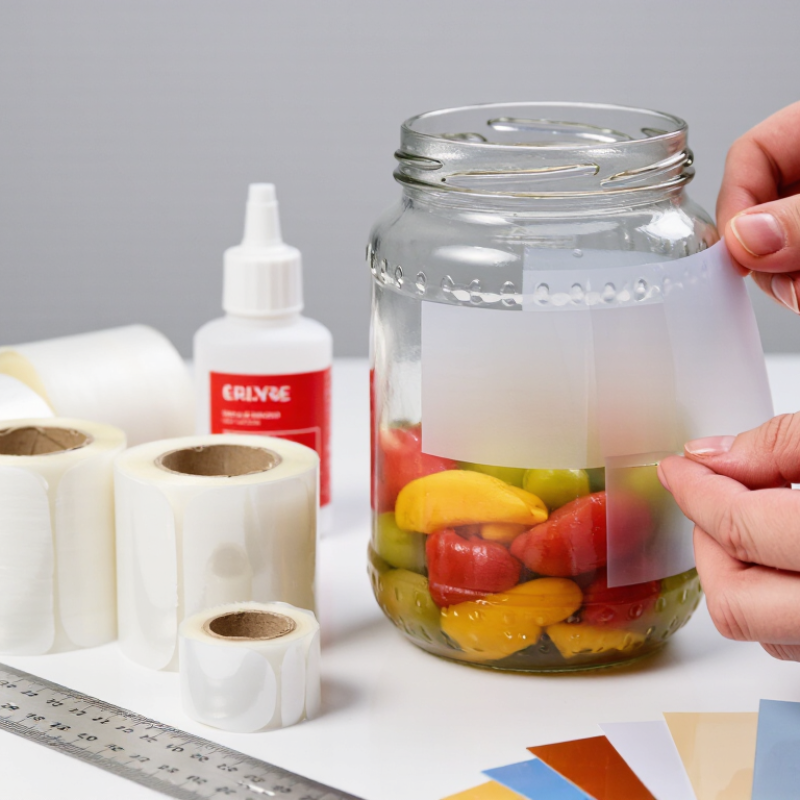
A clear label can make a jar’s contents feel close at hand. But bubbles, cloudy print, or lifted edges can quickly spoil that effect. Test samples on the actual container, especially if it is curved, refrigerated, or exposed to moisture. Industrial designer Dieter Rams offered a useful design principle: “Good design is as little design as possible.” Applied here, that means keeping the label legible without hiding the product. It does not mean sacrificing practical testing.

This guide examines supplier capabilities, customization options, print quality, and sample checks. Buyers can ask how artwork proofs are approved, how color consistency is monitored, and whether production batches can be traced. A small sample may not reveal every production issue. That is worth remembering. Confirm lead times, packing details, and the process for handling defects before placing a large order. For custom cellophane self adhesive labels, clear specifications and hands-on checks are more dependable than polished product photos alone.
China Top Custom Cellophane Self Adhesive Labels Supplier

What Cellophane Self-Adhesive Labels Are and How They Work

Cellophane self-adhesive labels combine a thin, transparent film made from regenerated cellulose with a pressure-sensitive adhesive and a removable backing liner. Their clear surface allows a container’s color or texture to remain visible. That clarity matters. Depending on the film coating and printing method, the label can also carry readable text and simple graphics without hiding the product beneath it.

When the liner is peeled away, the exposed adhesive bonds through firm contact rather than heat or water. Pressure helps it settle against tiny surface irregularities. Clean, dry glass and smooth plastic usually provide more reliable contact than dusty, oily, or heavily textured surfaces. Application temperature and storage conditions matter, too. Cellulose-based film may respond differently to moisture than some plastic films, so coating and adhesive choices should match the intended environment. A label tested on a dry jar may behave differently on a chilled, damp container. That is easy to overlook. Before choosing a specification, check the label’s size, roll direction, printer compatibility, and actual application surface; a small trial run can reveal problems that a sample sheet cannot.

China Top Custom Cellophane Self Adhesive Labels Supplier - What Cellophane Self-Adhesive Labels Are and How They Work

Data dimension Typical information How it matters
Label construction A face material, a pressure-sensitive adhesive, and a removable release liner. The face carries the printed design; the adhesive attaches the label; the liner protects the adhesive until application.
Cellophane face material Cellophane is a transparent film made from regenerated cellulose. It is distinct from polypropylene and other plastic films. Its clear appearance can let the package show through, while its moisture response and durability depend on the film grade and any coating.
Film thickness A product-specific specification; thin transparent label films are commonly measured in micrometres. No single thickness applies to all cellophane labels. Thickness affects handling, flexibility, clarity, and how well the label conforms to a surface. Confirm the exact grade with the converter.
Pressure-sensitive adhesive Often formulated from acrylic or rubber-based adhesive systems; the choice depends on the application and required performance. Adhesive selection influences initial tack, long-term adhesion, removability, and performance on different surfaces.
Release liner A coated paper or film backing that keeps the adhesive covered before use. The liner is peeled away during application. Its stiffness and release properties can affect dispensing and converting.
How adhesion works After the liner is removed, pressure brings the adhesive into contact with the target surface. The adhesive wets the surface and develops a bond over time. Cleanliness, surface energy, application pressure, temperature, and dwell time can all affect the result.
Common label formats Roll labels and individual sheets are both possible; size, shape, spacing, and winding direction are specified for the intended application. Format should match the printer or applicator and the dimensions of the package.
Printing considerations Ink and print process should be selected for the specific film surface. Surface treatment or a compatible coating may be needed for reliable ink adhesion. Test print quality, ink rub resistance, and drying or curing before production, especially for transparent films.
Suitable applications Product decoration, packaging identification, and promotional labels where a clear film appearance is desired. The label construction should be matched to the package surface, storage conditions, and expected handling.
Environmental claims Cellophane is cellulose-based, but the complete label also includes adhesive, ink, coatings, and a liner. Biodegradability or compostability cannot be assumed for the finished label. Check the exact material specification and applicable test or certification before making environmental claims.

Specifications vary by material grade and application. Confirm performance with samples under the intended use conditions.

Key Materials and Features of Custom Cellophane Labels

Custom cellophane labels typically use regenerated cellulose film as the clear face material, paired with a pressure-sensitive adhesive and a release liner. The film gives products a crisp, transparent finish, so printed text and colors remain visible against the package. It can also feel less like ordinary plastic. The surface may need a suitable coating for reliable ink adhesion, especially when fine lettering or dense colors are required.

Material choice should match the product and its environment. Cellophane can respond to moisture differently from many synthetic films, so condensation or damp storage may affect its shape and appearance. The adhesive matters too: a label for smooth glass may not grip textured paper or flexible packaging equally well. Test the complete label on the actual surface. Check adhesion after application, not just by touch.

The release liner supports clean feeding during printing and application, while the face film influences clarity, stiffness, and tear behavior. Ask suppliers for material specifications and sample rolls, then inspect print sharpness and edge lift under realistic conditions. Small details matter. A very clear label can still show bubbles if applied too quickly. And the best material is not always the most expensive one; sometimes the first sample exposes a problem no specification sheet made obvious.

How Suppliers Customize Labels for Different Products

A cellophane self-adhesive label should be customized around the product’s surface, storage conditions, and handling—not just its shape. For a chilled drink bottle, condensation can weaken adhesion, so converters test moisture-resistant adhesives on cold, wet glass. A small jar with a tight curve needs a flexible film and carefully chosen label dimensions to prevent edge lift. For a product handled often, a scuff-resistant finish helps keep fine print readable. We still get this wrong. A label that looks smooth on a sample may wrinkle on a fast production line.

Customization also means considering what happens after use. The OECD’s Global Plastics Outlook reports that packaging made up 40% of plastic waste generated globally in 2019. That figure makes material compatibility worth checking early, especially when a label is applied to a recyclable container. Suppliers can compare film, adhesive, and container materials, then test whether the label interferes with the intended recycling process. They should also confirm print contrast, barcode readability, and adhesion after filling and cooling. Small trials matter. In our experience, one overlooked detail is often the dispensing speed: a label that feeds poorly can slow packing, even when its appearance is excellent.

Production and Quality Checks at a Chinese Label Supplier

At a Chinese label supplier, production starts with checks on the cellophane film, adhesive, and release liner. Staff look for dust, wrinkles, uneven coating, or damaged roll edges. Adhesive performance matters. A label that lifts from a curved container can undermine an otherwise clean print. Before a full run, the team may test a small sample on the intended surface. They check placement, tack, and whether the liner releases smoothly. This step can reveal problems early, though a quick test may not reflect every storage condition.

During printing and converting, operators monitor color, registration, cutting, and winding tension. A camera system can flag repeating print defects, while staff inspect samples by hand under consistent lighting. They also check label dimensions and the spacing between cuts. Finished rolls are reviewed for loose edges, telescoping, or labels that peel away from the liner. Some defects are easy to spot; others appear only when a customer applies the labels. Checklists help, but they can become routine. Careful sampling and clear production records make the checks more useful.

How to Evaluate a China-Based Custom Label Supplier

A capable China-based supplier should prove process control, not just offer a low quote.

Grand View Research estimated the global pressure-sensitive labels market at USD 93.3 billion in 2023 and projected 5.8% annual growth through 2030. The expanding market makes careful qualification more important.

Ask for a written specification covering film type and thickness, adhesive, release liner, print method, and finishing tolerances. “Cellophane” can mean different materials in everyday sales conversations, so confirm the substrate rather than relying on a product name. Request samples from a production run, not only a polished showroom sheet. Then apply them to your actual packaging. Check adhesion after exposure to moisture, refrigeration, or handling. Small tests reveal a lot.

Review documented inspection procedures, batch traceability, and how the supplier handles defects. Ask for current quality-system certificates and verify their scope and validity with the issuing body. A factory tour, live or in person, can show storage conditions and press-line controls. Compare quotations line by line, including tooling, setup, packing, and freight. One awkward point: buyers sometimes approve a sample without recording its exact specification. That makes later disputes harder to resolve. Keep an approved reference sample and written acceptance limits. Some details still get missed. Prepare for that.