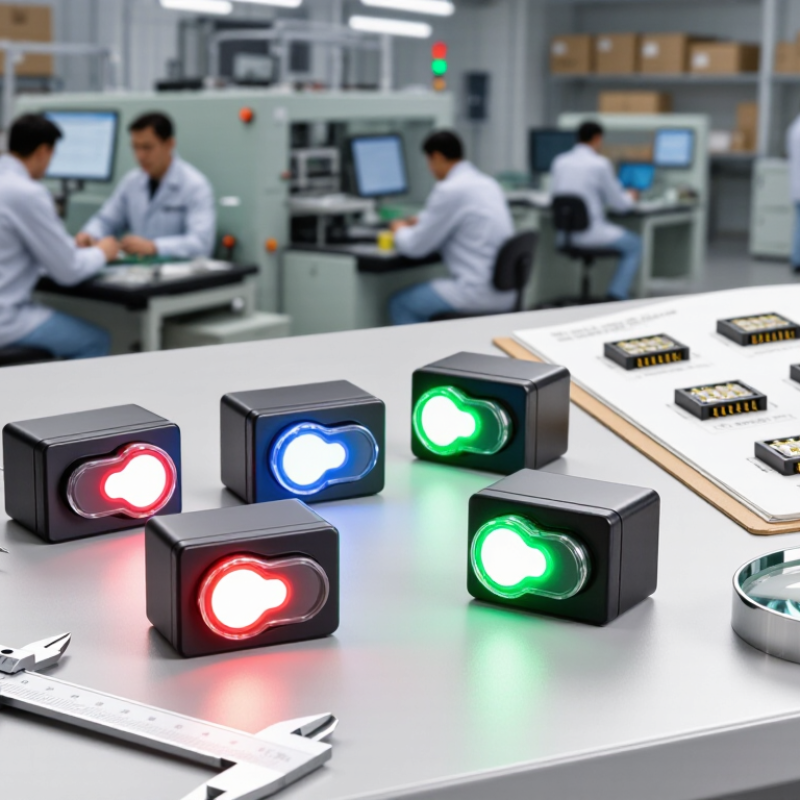
| Product Scope | Supplier should provide lighted toggle switches suitable for the intended equipment, installation environment, and operating voltage. | Available configurations may include single-pole or double-pole switching, maintained or momentary action, panel or chassis mounting, and illuminated or non-illuminated versions. | Product datasheet, dimensional drawing, wiring diagram, sample inspection, and application review. | IEC 61058-1 for switches for appliances; applicable national adoption where required. | Reject suppliers that cannot clearly define the switch function, terminal arrangement, circuit diagram, and intended application. |
| Electrical Rating | Rated voltage and current must match the actual load, switching method, and electrical system. | Common commercial configurations include 12 VDC, 24 VDC, 125 VAC, or 250 VAC versions. Current ratings such as 3 A, 6 A, 10 A, or 15 A are product-specific and must not be assumed without test evidence. | Marked rating on the product, datasheet, test report, and sample verification under the required load. | IEC 61058-1, UL 61058-1 where North American certification is required, and the buyer's electrical design requirements. | The stated rating must cover the intended voltage, current, load type, inrush current, and switching frequency. |
| Illumination System | Supplier should identify the light source, illumination voltage, polarity requirements, color, and expected service life. | LED illumination is generally preferred for lower power consumption and longer operating life. Common illumination circuits use 12 VDC or 24 VDC, while other versions may be designed for AC line voltage. | LED or lamp specification, wiring diagram, current-consumption data, polarity instructions, and illuminated sample. | Product-specific electrical design; safety evaluation under the applicable switch standard. | Confirm that illumination voltage is compatible with the control circuit and that the indicator remains visible in the intended environment. |
| Contact Material | Supplier should disclose the contact construction and plating used for the specified electrical load. | Silver-based contact systems are common for general power switching; gold-plated contacts are typically used for lower-current signal applications. The correct choice depends on current, voltage, and load type. | Material declaration, engineering specification, cross-section review, and switching-life test report. | Supplier technical documentation and applicable material-restriction requirements. | Do not approve a contact material solely by appearance; verify electrical performance for the actual load. |
| Mechanical Life | The supplier should state the number of operating cycles before mechanical degradation. | A buyer-defined target of at least 10,000 cycles is commonly used for general industrial applications, while higher-cycle designs may be required for frequent operation. | Endurance test report, test conditions, sample test, and production inspection record. | IEC 61058-1 endurance and mechanical operation requirements, where applicable. | Test conditions should identify operating force, cycle rate, load state, and failure criteria. |
| Electrical Life | Electrical endurance must be evaluated under the actual rated load rather than mechanical operation alone. | Target cycle count should be defined according to the application; resistive, inductive, motor, lamp, and capacitive loads may produce different results. | Electrical endurance report, load profile, switching frequency, contact-resistance records, and failure analysis. | IEC 61058-1 or another applicable product-specific safety standard. | Approve only when the test load is representative of the final equipment and the switch remains within specified limits. |
| Ingress Protection | Supplier should offer a sealing level suitable for dust, moisture, cleaning, and outdoor exposure. | IP20 provides finger protection but no water protection. IP54 offers limited dust ingress protection and protection against water splashes. Higher ratings such as IP65 require suitable construction and validated testing. | IP test report, construction drawings, gasket specification, sample inspection, and installation review. | IEC 60529. | Specify the required IP rating for the installed condition, including panel cutout, actuator, gasket, and terminal area. |
| Insulation and Dielectric Strength | Supplier should provide insulation, dielectric withstand, and creepage or clearance information appropriate to the working voltage. | Values depend on rated voltage, pollution degree, material group, construction, and applicable product standard; they should be verified through the relevant test report rather than a generic claim. | Routine test records, type-test report, insulation-resistance data, and construction review. | IEC 61058-1 and relevant insulation-coordination requirements. | Require documented pass/fail criteria and test conditions for every approved configuration. |
| Material Compliance | Supplier should control restricted substances in plastics, metals, plating, solder, cables, and packaging. | Products supplied into the European market commonly require compliance with RoHS substance restrictions and REACH obligations, subject to the applicable product scope and exemptions. | RoHS test report or declaration, material declaration, REACH statement, and supply-chain compliance records. | RoHS Directive 2011/65/EU as amended by Directive (EU) 2015/863; REACH Regulation (EC) No. 1907/2006. | Documents should identify the tested product family, report date, laboratory, and applicable exemptions. |
| Product Safety Certification | Certification should match the destination market and the exact switch construction, ratings, and model family. | Common market requirements may include CE conformity for applicable European legislation and a recognized safety certification for North American applications. | Certificate, certification scope, model list, test report, declaration of conformity, and certification-mark control procedure. | IEC or EN 61058-1; UL 61058-1 where applicable; applicable European conformity legislation. | Verify the certificate directly with the issuing certification body when the project risk or regulatory requirement justifies it. |
| Quality Management System | Supplier should operate a documented quality-management system covering design, purchasing, production, inspection, traceability, and corrective action. | ISO 9001 certification is a useful management-system benchmark, but it does not by itself certify the safety or performance of a specific switch. | Valid certificate, scope of certification, audit records, process-control plan, and corrective-action history. | ISO 9001:2015. | Confirm that the certificate covers the manufacturing site and activities relevant to the ordered product. |
| Factory Process Control | Supplier should control key processes such as stamping, plating, molding, assembly, soldering, labeling, and final testing. | Recommended controls include incoming inspection, first-article approval, in-process checks, final inspection, and lot traceability. | Process flow chart, control plan, work instructions, inspection standards, calibration records, and production samples. | ISO 9001 quality-planning principles and buyer-specific quality requirements. | Critical characteristics should be identified, measured, recorded, and linked to the production lot. |
| Dimensional Compatibility | Switch body, actuator, terminals, panel cutout, mounting hardware, and clearance zones must fit the final assembly. | Dimensional tolerances should be defined on an approved drawing; panel thickness, terminal spacing, actuator travel, and mounting method must be confirmed before tooling. | 2D drawing, 3D model, first article sample, gauge inspection, and assembly trial. | Approved customer drawing and supplier engineering specification. | Freeze the drawing revision before mass production and control all subsequent engineering changes. |
| Operating Environment | Supplier should state the permitted operating and storage temperature, humidity, vibration, and shock conditions. | Typical commercial designs may use an operating range such as −20°C to +85°C, but the correct range is model-specific and must be confirmed in the datasheet. | Environmental test report, material specifications, sample testing, and application review. | Applicable product standard and buyer-defined environmental profile. | The declared range must cover the actual equipment environment, including start-up and storage conditions. |
| Terminal and Wiring Reliability | Terminals must be compatible with the specified wire size, connector type, crimping method, and installation process. | Verify terminal retention, solderability or crimp performance, wire-pull strength, temperature rise, and resistance to loosening during vibration. | Terminal drawing, wire-range specification, crimp or solder instructions, pull-test results, and sample assembly. | Applicable terminal, wiring, and switch-standard requirements. | Approve the complete connection method rather than evaluating the switch body separately from its terminals. |
| Quality Acceptance | Purchase documents should define visual, dimensional, electrical, functional, packaging, and labeling requirements. | Use an agreed inspection plan with lot definition, sampling level, critical defect rules, and measurement methods. | Approved quality agreement, inspection checklist, incoming inspection report, nonconformity record, and corrective-action report. | Buyer-supplier quality agreement; ISO 9001 process controls. | Critical safety or functional defects should have zero acceptance tolerance unless a formal risk-based plan states otherwise. |
| Traceability | Each production lot should be traceable to raw materials, key process records, inspection results, and shipment data. | Traceability may use a lot code, date code, production order, or serialized packaging label. | Lot records, product labels, carton labels, inspection reports, and retention samples. | Supplier quality-management procedure and customer traceability requirements. | Require a documented retention period appropriate to the product risk and regulatory obligations. |
| Packaging and Logistics | Packaging should prevent actuator damage, terminal deformation, moisture exposure, electrostatic damage where relevant, and mix-ups between configurations. | Use protective inner packaging, clear model and lot identification, quantity control, and suitable moisture protection for the shipping route. | Packaging specification, transport simulation where needed, carton inspection, and shipment records. | Buyer packaging specification and applicable transport requirements. | Confirm that packaging preserves product condition through handling, storage, and international transportation. |
| Supplier Approval Decision | Approve suppliers only after technical, regulatory, quality, commercial, and delivery risks have been reviewed. | A practical approval sequence is document review, sample evaluation, first-article inspection, pilot order, process audit, and periodic performance review. | Supplier evaluation scorecard, audit report, approved-vendor record, pilot-order results, and corrective-action closure. | Buyer-defined supplier qualification procedure. | Recommended status: Approved only when product requirements, certification scope, quality evidence, and sample performance are all satisfactory. |