Best FPC Stiffener Bonding Machine Supplier in China?
Choosing the best FPC Stiffener Bonding Machine Supplier in China takes more than comparing prices or advertised cycle times. The right machine must bond stiffeners consistently across real production conditions. Look closely at temperature stability, pressure control, alignment repeatability, tooling changes, and support for your specific FPC materials. A clean sample is useful. It is not proof of long-term process stability.
For a practical perspective, consider this illustrative—not independently verified—comment from a hypothetical FPC process engineer, Li Wei: “A bonding machine earns trust when the next panel matches the last, not when the first sample looks perfect.” That distinction matters. Ask suppliers to demonstrate your stack-up, including the actual stiffener, adhesive, and panel geometry. Inspect edge alignment and bonding uniformity under magnification. Request clear details on commissioning, operator training, spare parts, and service response. Small details count.
This guide examines how to assess Chinese suppliers, compare machine capabilities, and verify claims before placing an order. It also considers where specifications can mislead: a fast cycle time may not reflect setup changes, rework, or daily maintenance. No checklist can replace a production trial. That part is easy to underestimate. Share your process requirements, then ask for evidence tied to them. A capable Fpc Stiffener Bonding Machine should fit your workflow—not just a polished brochure.
What Is an FPC Stiffener Bonding Machine?
Best FPC Stiffener Bonding Machine Supplier in China?
What Is an FPC Stiffener Bonding Machine?
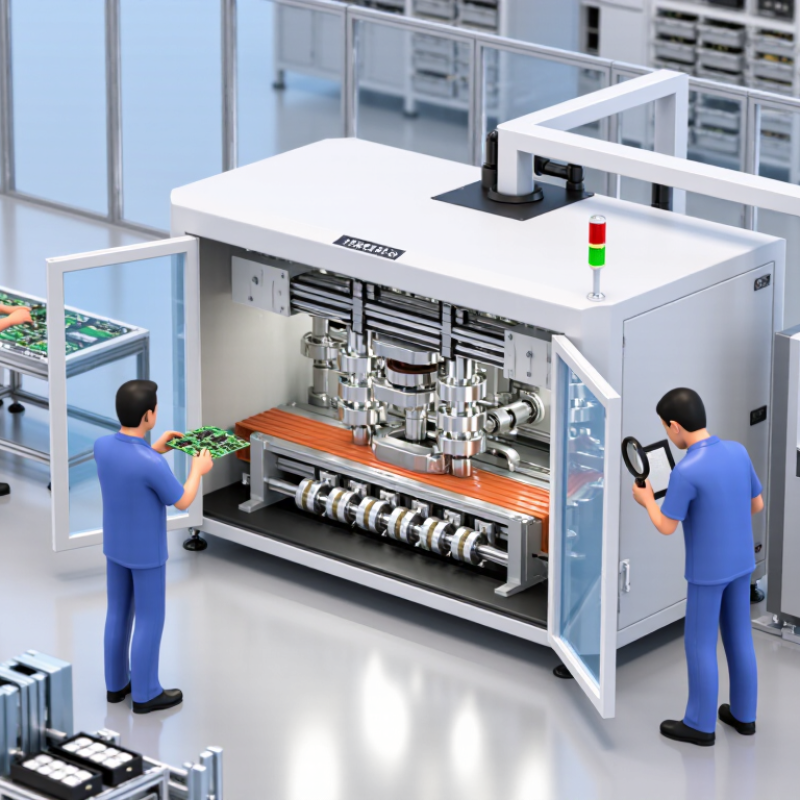
An FPC stiffener bonding machine attaches a reinforcing layer to a flexible printed circuit (FPC). The stiffener may be made from materials such as polyimide or metal, depending on the design. It helps support areas that need extra rigidity, such as connector points.
The machine aligns the FPC and stiffener, then applies controlled heat and pressure for a set time. This process activates the adhesive and forms a bond. Operators typically adjust settings to match the material stack, adhesive type, and part dimensions. A small alignment error can leave an edge exposed or shift a connector area. Consistent results depend on careful setup, clean surfaces, and repeatable pressure. The machine is useful, but it cannot correct a poorly prepared part.
Tips: Check alignment before each run. Keep bonding surfaces clean, and record temperature, pressure, and dwell time. Test sample parts when materials change. Real production conditions can vary, so settings may need review.
How FPC Stiffener Bonding Systems Operate
An FPC stiffener bonding system attaches a supporting layer to a flexible circuit at a defined position. The stiffener may be polyimide, FR-4, or metal, depending on the design. An operator places the FPC and stiffener into a fixture, often using vacuum to hold the flexible material flat. It is a small step, but alignment matters.
A camera or mechanical guide helps locate reference marks and correct placement. The machine then applies controlled heat and pressure for a set dwell time, activating the adhesive or bonding film. Temperature, pressure, and timing must match the material stack. Too little heat may leave weak areas; too much can distort the circuit. Small shifts still happen.
After bonding, the part cools or proceeds through the specified curing process. Operators inspect edges, position, and visible bubbles, then check samples for bond strength when required. Results depend on adhesive storage, surface cleanliness, fixture condition, and machine calibration—not just the recipe on screen. A stable process helps, but it does not remove the need for routine checks. The best system is one that fits the circuit’s geometry and can repeat the process reliably across production runs.
Which Technical Features Matter in Production?
For an FPC stiffener bonding machine, temperature and pressure uniformity matter more than headline speed. Uneven heat can leave a stiffener edge lifted, while excess pressure may mark thin polyimide. Look for independently controlled heating zones, adjustable dwell time, and force monitoring across the bonding area. Vision alignment should show actual placement tolerance, not just a camera resolution figure. Ask for repeatability data using your own FPC and stiffener materials.
Traceable recipes are useful on mixed production lines. The machine should record temperature, pressure, time, and alignment settings for each batch. The International Federation of Robotics’ World Robotics 2024 report counted 541,302 industrial robots installed worldwide in 2023, more than twice the number installed a decade earlier. That signals growing automation, but it does not prove a bonding machine suits your process. Small errors compound. Request sample-run results, including placement deviation and bond-strength measurements, and check how quickly operators can change recipes. A perfect demonstration on one panel can still hide setup problems. That is easy to overlook.
How to Assess Chinese Suppliers and Manufacturers
Best FPC Stiffener Bonding Machine Supplier in China? How to Assess Chinese Suppliers and Manufacturers
Choosing a supplier requires more than comparing machine prices. Prismark’s 2024 mid-year report estimates that global PCB production value reached about US$73.4 billion in 2023, underlining the scale and variability of the electronics supply chain. For an FPC stiffener bonding machine, ask whether the manufacturer has processed materials similar to yours, including your coverlay, adhesive, and stiffener thicknesses. Request trial results showing bonding temperature, pressure, alignment accuracy, and cycle time. Ask for raw data.
A showroom demonstration is not enough.
Bring your own FPC samples and inspect bond edges, bubbles, shifting, and adhesive squeeze-out under magnification. Confirm how the machine controls temperature and pressure across the working area, and ask for repeatability results across multiple cycles. Small details matter. Ask how operators record recipes, alarms, and process changes; traceable records help identify the cause when a batch fails. IPC-6013 provides a recognized reference for flexible printed board qualification, but it does not replace testing on your actual assembly.
Assess after-sales support with the same care as machine capability. Request a written scope for installation, training, spare parts, and response times, then speak with customers using comparable FPC constructions. Be cautious when claims lack test conditions or measurable acceptance criteria. I would not select a supplier from one successful sample alone. A second trial, with agreed settings and documented results, may reveal weaknesses that the first demonstration misses.