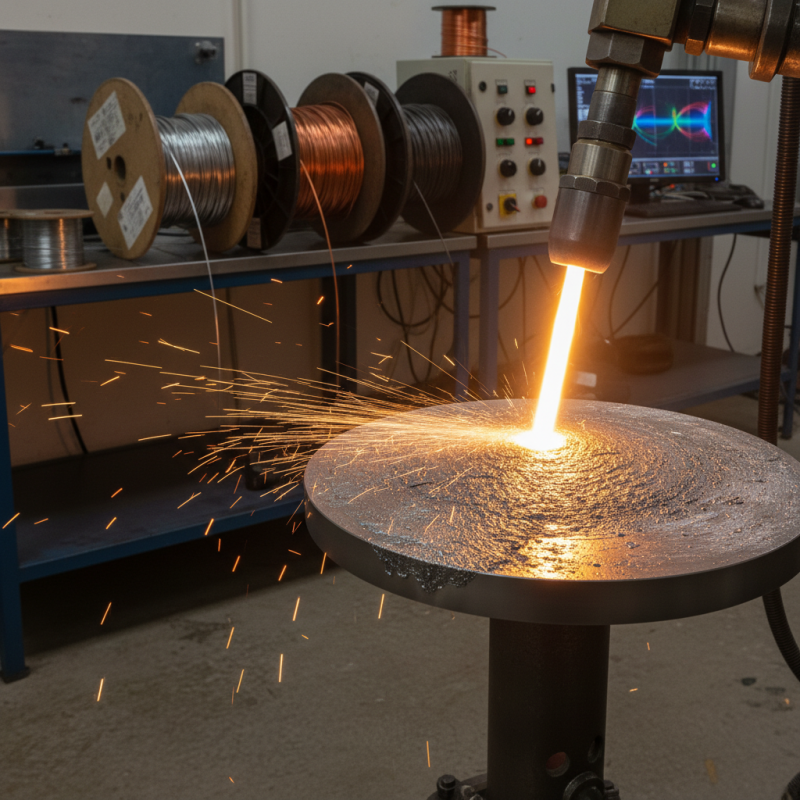
Best Wire for Thermal Spray Applications What to Consider?
Choosing the right Wire for Thermal Spray applications is crucial for effective coating. Various factors impact your selection. Different materials and wire types yield distinct results in durability and performance.
The wire for thermal spray can significantly influence the quality of the coating. For instance, stainless steel wire provides excellent corrosion resistance. However, it might not be suitable for all applications. Understanding the specific needs of your project is essential. Factors like substrate material and desired characteristics should guide your choice.
Moreover, not all wires perform equally under different conditions. Some may produce better adhesion while others may excel in wear resistance. Testing different wires can be time-consuming and costly. Still, refining your options based on real-world feedback is vital. A well-informed decision leads to greater success in thermal spray applications.
Types of Wires Used in Thermal Spray Applications
In thermal spray applications, the choice of wire is crucial for achieving desired coatings. Various types of wires exist, each with specific properties. Most commonly used are wires made from metals, alloys, ceramics, and composite materials. According to industry reports, over 70% of thermal spray applications utilize metal and alloy wires due to their excellent adhesion and durability.
Metal wires often include stainless steel and nickel-chromium alloys, providing significant resistance to wear and corrosion. For instance, the use of aluminum wire in thermal spraying can enhance lightweight applications. Interestingly, research shows that ceramic wires, while less common, can deliver superior performance in high-temperature environments. Yet, the challenge remains: the high brittleness of ceramics can lead to failures during the spraying process.
Composite wires combine different materials to balance properties. These wires are designed to maximize strength and minimization of thermal conductivity. However, the complexity of the production process can affect consistency. A recent report indicated that about one-third of industries face challenges in wire quality consistency. Each application must weigh these factors carefully, making the selection of the right thermal spray wire a nuanced decision rooted in specific operational needs.
Key Properties to Consider for Thermal Spray Wires
When selecting wire for thermal spray applications, several key properties must be considered to ensure optimal performance. One of the primary factors is the wire's melting point. Ideal thermal spray wires should have a melting point suitable for the type of process being utilized, whether plasma spraying or wire arc spraying. Research indicates that wires with higher melting points often provide better wear resistance.
Another vital property is the wire's chemical composition. Key elements such as nickel, chromium, and titanium play significant roles in enhancing the wire's durability and adhesion to substrates. According to industry reports, wires with a balanced alloy composition exhibit improved resistance to oxidation and corrosion. This directly impacts the longevity of coatings in various environments, particularly those exposed to harsh conditions.
Tip: Regularly check and adjust the parameters during the thermal spraying process. Variations in temperature and atmosphere can affect the wire's performance.
Surface roughness of the wire can also influence the quality of the spray. A smoother surface often leads to better material transfer and less wear on the spray equipment. However, too smooth a surface might reduce adhesion to the substrate. Striking the right balance is crucial for achieving high-quality coatings.
Tip: Experimenting with different wire surface finishes might yield surprising benefits in adhesion and coating quality.
Compatibility of Wire Materials with Target Substrates
The compatibility of wire materials with target substrates is crucial in thermal spray applications. Selecting the right wire ensures optimal bonding and enhances durability. Different metals and alloys have unique properties that influence their interaction with various substrates.
For instance, when applying coatings on steel, nickel or cobalt-based wires may be ideal. They offer strong adhesion and resistance to wear. Conversely, for aluminum substrates, wires that can match thermal expansion rates are necessary. Mismatched materials can lead to coating delamination over time.
It's also essential to consider the substrate surface preparation. Improper cleaning or surface roughness can compromise wire adhesion. Additionally, wire chemistry must align with the substrate's environmental exposure. For example, if high temperatures are involved, the chosen wire must withstand thermal stresses. Failing to account for these factors can result in inadequate performance and increased maintenance costs. Evaluating these elements genuinely reflects a commitment to quality and reliability in thermal spraying.
Wire Diameter and Its Impact on Thermal Spray Performance
When considering wire diameter for thermal spray applications, one must acknowledge its significant impact on performance. Thicker wires typically allow for higher deposition rates, which can lead to faster coating processes. However, they may also result in increased thermal stress on the substrate. Finding a balance is crucial; a diameter that is too large could compromise the quality of the coating.
Conversely, finer wires can produce finer deposits. This allows for greater detail and better control during application. While this may enhance surface quality, it often decreases deposition speed. It is essential to assess the requirements of the specific application. Thickness might seem like a straightforward choice, yet nuances in the spray technique can introduce complexity. Variability in wire diameter may affect melt characteristics and spray behavior, leading to inconsistent results.
Ultimately, understanding how wire diameter affects thermal spray performance is crucial. It requires an evaluation of not just the wire itself, but also substrate material, desired coating thickness, and environmental factors. Balancing these elements is a complex task, often requiring practical trial and error to achieve optimal results.
Cost Considerations and Budget for Thermal Spray Wires
When considering the cost for thermal spray wires, several factors come into play. The material type significantly affects the price. High-performance wires often carry a higher cost due to their advanced properties. Selecting the right material for your specific application can lead to cost savings in the long run. A wire that lasts longer can reduce replacement frequency and maintenance costs.
Budget constraints can sometimes limit options. However, opting for cheaper wires might compromise quality. It's crucial to analyze the trade-off between initial investment and performance. A budget-friendly wire may not withstand harsh conditions. This could lead to more frequent repairs or replacements. Thus, understanding your operational environment is key to making informed decisions.
Evaluating supplier reliability is also part of the equation. Choosing reputable suppliers can influence pricing and product availability. It is advisable to assess their track record. Look into customer feedback and reviews. A supplier with a solid reputation might charge more, but the benefits often outweigh the initial costs. Investing in quality can lead to enhanced performance and efficiency.