Best Switching Power Supply Types Explained for Your Needs?
In today's electronic landscape, the importance of a reliable Switching Power Supply can't be overstated. These components convert electrical power efficiently, adapting voltage and current to meet varying demands. Understanding the various types of Switching Power Supplies is crucial for both hobbyists and professionals alike.
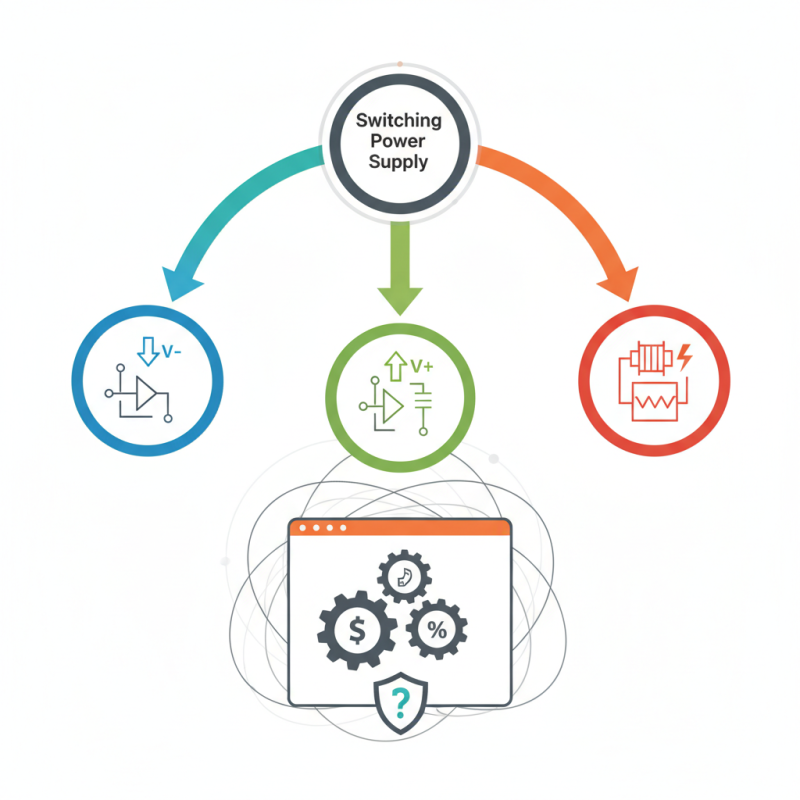
The market offers several options, including buck converters, boost converters, and flyback power supplies. Each type has its unique applications and advantages. For instance, buck converters are ideal for reducing voltage. On the other hand, flyback supplies are perfect for isolating circuits.
However, selecting the right Switching Power Supply can be overwhelming. Many factors come into play, such as efficiency, size, and cost. Mistakes in this process can lead to inadequate performance or even damage to sensitive components. Therefore, it's essential to assess your specific needs carefully before making a choice.
Types of Switching Power Supplies: An Overview
Switching power supplies are crucial in modern electronics. They convert electrical power efficiently. There are various types available, each serving unique applications. Understanding these types is essential for selecting the right one.
One common type is the flyback converter. This design is simple and can handle high voltage variations. However, it is not always efficient at higher power levels. Another type, the buck converter, is ideal for stepping down voltage. It offers improved efficiency, but can struggle with rapid load changes. Lastly, the boost converter increases voltage levels. It is versatile but may introduce noise in sensitive applications.
Each type has its strengths and weaknesses. Designers must evaluate specific requirements. Consider factors like efficiency, power handling, and noise sensitivity. Sometimes, a compromise is necessary. It’s important to reflect on these choices to find the best match for the project at hand.
Best Switching Power Supply Types Explained for Your Needs
Key Features to Consider When Choosing a Power Supply
Choosing the right power supply is crucial. Key features can make or break your project. Efficiency is often a primary concern. Look for supplies with an efficiency rating of 80% or higher. This helps minimize energy waste and reduces your electricity costs. According to the Department of Energy, efficient power supplies can lower energy bills by 20%.
The output voltage is another essential factor. Make sure it meets the requirements of your devices. Fluctuations can damage sensitive components. Regulations recommend a maximum ripple voltage for stability. This detail is often overlooked but critical for optimal performance.
Also, consider the physical dimensions. A power supply that fits poorly in your setup can cause thermal issues. Be mindful of airflow as well. Poor cooling can lead to overheating and failure. According to research, up to 30% of power supplies fail due to thermal management issues. This concern highlights the importance of appropriate space planning. Be ready to reassess your choices as your project evolves.
Benefits of Switching Power Supplies Compared to Linear Power Supplies
Switching power supplies have become a vital component in various electrical systems today. They offer significant advantages over linear power supplies, particularly in efficiency. According to a recent report by the Power Electronics Industry Association, switching power supplies can achieve efficiencies exceeding 90%. This means they waste less energy as heat, making them ideal for applications where power conservation is critical.
Another consideration is size. Switching power supplies are generally much smaller and lighter than linear alternatives. They can pack high power output into compact designs, which is essential for modern devices. That said, the complexity of their design can introduce challenges. For instance, electromagnetic interference (EMI) might be a concern. It's vital to ensure proper filtering techniques during implementation.
Furthermore, cost-effectiveness is another notable benefit. Typically, switching power supplies have lower operational costs over their lifespan. They require less cooling, which can reduce overhead in manufacturing. However, upfront costs may vary significantly due to design complexity. Operators must weigh these factors carefully when choosing the right power supply. As the industry evolves, understanding these nuances will be key to making informed decisions.
Applications of Different Switching Power Supply Types
Switching power supplies are essential in various applications. They convert electrical energy efficiently for different devices. Understanding the types can help you choose the right one for your needs.
For instance, isolated switching supplies are commonly used in medical devices. These units ensure safety and prevent electrical shock. They provide stable power, which is critical in sensitive applications. However, they can be more complex and costly to design.
Non-isolated supplies are often seen in consumer electronics. They are lightweight and compact, making them ideal for portable gadgets. Yet, they may expose users to higher voltage risks, which is a drawback. Balancing efficiency, safety, and cost remains a challenge in these designs.
Switching power supplies continue to evolve, driven by technology and market demands.
How to Select the Right Switching Power Supply for Your Project
Choosing the right switching power supply can be challenging. There are many factors to consider. First, think about the voltage and current requirements of your project. Ensure the supply provides the correct output you need. Check the specifications carefully. A mismatch here can cause serious issues.
Next, consider efficiency. A highly efficient power supply generates less heat, prolonging its lifespan. Look for a model with good thermal management. This is often overlooked but is vital for stable performance. Also, think about size and mounting options. Some projects require compact solutions. Others may have space for larger models.
Lastly, take note of safety features. Short-circuit protection is important. It can prevent damage to your components. Don't ignore this aspect. Reflect on the environment where the supply will be used. Is it prone to dust or moisture? Such details can influence your choice significantly. Remember, this decision can impact your project's success.