What Are the Best Laser Cutting Machines of 2026?
As industries evolve, the demand for precision tools grows. laser cutting machines are at the forefront of this trend. A recent report from MarketsandMarkets indicates a projected growth in the laser cutting machine market, reaching $10 billion by 2026. This surge is driven by the increasing need for automation and efficiency in manufacturing processes.
Many manufacturers are exploring advanced technology to enhance precision and speed. High-quality laser cutting machines can produce complex designs with exceptional accuracy. However, not all machines offer the same capabilities. Buyers often face challenges in selecting the right model for their specific needs.
The importance of understanding material compatibility cannot be overlooked. Different machines excel with various materials. Evaluating factors like power, speed, and cost-effectiveness is crucial. It highlights that even the best machines may not suit every application. As we delve into the best laser cutting machines of 2026, it's essential to consider both their potential and limitations.
Overview of Laser Cutting Technology in 2026
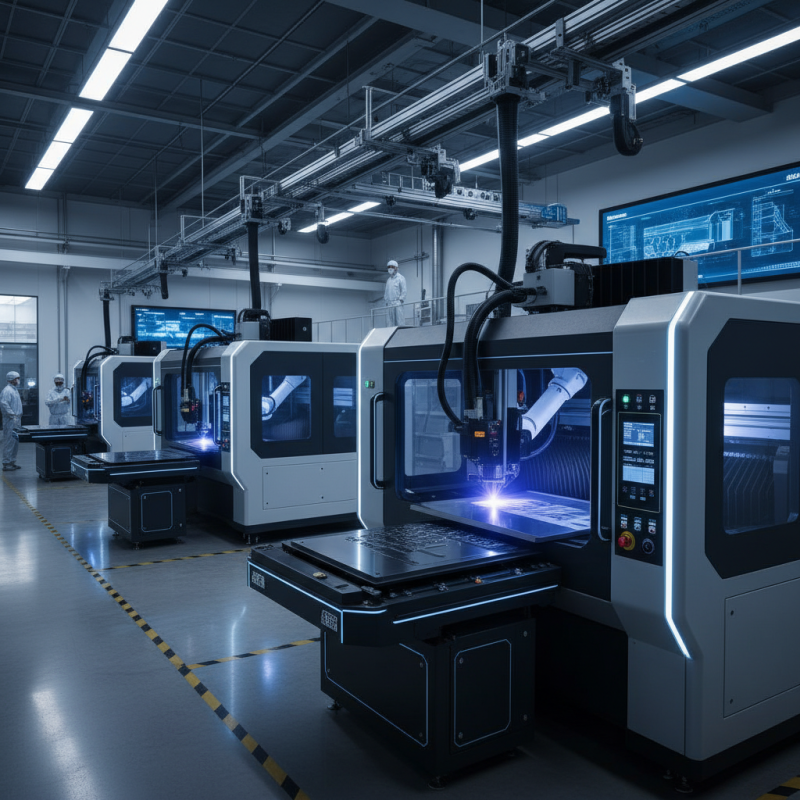
Laser cutting technology has advanced significantly in 2026. The industry has seen innovations that improve precision and speed. New models feature enhanced laser sources, achieving cutting speeds up to 35% faster than previous iterations. Reports indicate a growing demand for fiber lasers, which dominate the market due to their efficiency. By 2026, fiber laser systems accounted for over 65% of total sales worldwide.
One notable trend is the integration of automation in laser cutting machines. Automated systems help reduce human error and enhance production capabilities. However, not all companies have adapted to this shift. A significant portion of the industry still relies on manual processes, risking inefficiencies in long-term operations. The implementation of smart technology can improve workflows, yet many are hesitant to invest.
Moreover, the environmental impact of laser cutting deserves attention. The production process generates waste, and energy consumption remains a concern. Manufacturers must evaluate sustainable practices to mitigate their carbon footprint. Although some new technologies promise better energy efficiency, full adoption takes time. Overall, the landscape of laser cutting in 2026 presents both opportunities and challenges.
Overview of Laser Cutting Technology in 2026
Key Features to Consider When Choosing a Laser Cutting Machine
When choosing a laser cutting machine, several key features should be considered. The type of laser technology is crucial. CO2 lasers are versatile and suitable for various materials. Fiber lasers excel in cutting metal but may struggle with thicker materials. Understanding your needs is essential. Will you cut wood, acrylic, or metal? Each material requires specific configurations.
Another important aspect is the machine's cutting area. Larger workspaces allow for bigger projects, which can be limiting. Consider the physical size of your workspace as well. Ensure there's room for the machine as well as ventilation and safety equipment.
Speed and precision are also vital. Some machines offer faster cutting speeds, but they may compromise accuracy. Users must balance these two qualities based on their projects. Keep in mind, more advanced machines often come with a steeper learning curve. Beginners should consider their comfort level with technology. A user-friendly interface can expedite the learning process but may limit advanced features.
Top Laser Cutting Machines of 2026: A Comparison
Laser cutting technology continues to evolve rapidly, impacting various industries. According to a recent market report, the global laser cutting machine market is projected to grow at a CAGR of 5.2% through 2026. This growth enhances the competition among manufacturers, leading to more efficient and precise machines. Current models offer higher wattage options, resulting in improved cutting speed and quality.
In a direct comparison, notable advancements include improved software integration. This development enhances design capabilities and reduces processing time. Some models now feature real-time monitoring systems which track performance metrics. These technologies aim to minimize errors during operation, yet they also introduce complexity. Operators must adapt to manage this advanced tech effectively.
One challenge persists: the balance between power and precision. Higher wattage can lead to faster cuts, but can also damage sensitive materials. Careful consideration is crucial during setup. Users often find themselves reflecting on their specific needs versus available capabilities. Understanding these nuances ensures optimal results in production environments.
User Reviews and Performance Feedback on 2026 Models
As we dive into the world of laser cutting machines in 2026, user reviews reveal a myriad of experiences. Many users appreciate the speed and precision these machines deliver. However, some find the learning curve steep. Initial setup can be challenging, especially for beginners. Adjusting focus and power settings requires attention. Small mistakes can lead to waste and frustration.
Performance feedback varies widely across different models. Users have reported satisfaction with material versatility, from wood to acrylic. Yet, some machines struggle with thicker materials. Noise levels also sparked discussions; while some models operate quietly, others are surprisingly loud, disrupting work environments. Maintenance routines seem necessary for longevity, but users often overlook them.
One common point of contention is software usability. While some enjoy intuitive interfaces, others face difficulties navigating complex features. Many users wish for better documentation and support resources. It's clear that while advancements have been made, there are areas that could improve, fostering a more user-friendly experience for everyone.
Future Trends in Laser Cutting Technology Beyond 2026
As we look towards the future of laser cutting technology, several trends are predicted to shape the industry beyond 2026. The rise of automation in laser cutting machines is one of the key developments. According to a recent report by MarketsandMarkets, the global laser cutting market is expected to grow significantly, reaching approximately $5 billion by 2026. Automation will enhance productivity, reduce human error, and require less manual intervention. This change raises questions about the balance between efficiency and the loss of skilled jobs in the sector.
Another noteworthy trend is the integration of artificial intelligence (AI) with laser cutting technology. AI systems can analyze materials and adjust cutting parameters in real-time. This adaptability increases precision and reduces waste. A study by ResearchAndMarkets suggests that AI-powered cutting machines could reduce energy consumption by up to 30%. However, businesses must ponder the challenges of implementation and the need for ongoing training.
Sustainability concerns are also driving innovations in the industry. Many companies are prioritizing eco-friendly practices. Efficient material usage and energy-saving technologies are becoming essential. Reports show that 40% of manufacturers are actively seeking green solutions in their production lines. There is still room for improvement, as full sustainability is yet to be achieved. The future presents opportunities and challenges for laser cutting technology that require thoughtful consideration and action.
What Are the Best Laser Cutting Machines of 2026? - Future Trends in Laser Cutting Technology Beyond 2026
| Model | Cutting Area (mm) | Laser Type | Max Power (W) | Speed (mm/s) | Materials Compatible |
| LaserCut Pro 2026 | 1000 x 600 | CO2 | 150 | 600 | Wood, Acrylic, Paper |
| LaserTech 5000 | 1300 x 900 | Fiber | 300 | 1200 | Metal, Plastic |
| Precision Engraver 2026 | 600 x 400 | DPSS | 50 | 300 | Glass, Ceramic |
| SmartCut 2026 | 1500 x 1000 | Hybrid | 200 | 800 | Paper, Fabric, Wood |
| LaserMax Ultra | 2000 x 1200 | CO2 | 500 | 1000 | Wood, Metal, Acrylic |