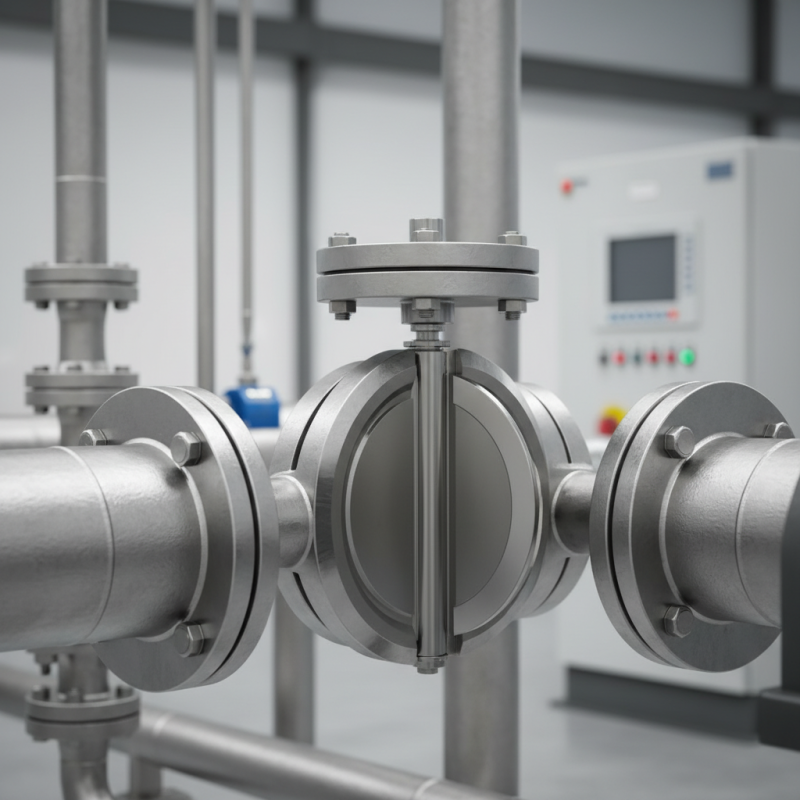
The Best Double Eccentric Butterfly Valve Features and Benefits?
The double eccentric butterfly valve stands out in industrial applications. Its unique design offers significant advantages in flow control. These valves are favored for their reliability and efficiency in various systems.
Made with precision, the double eccentric butterfly valve reduces friction. This leads to less wear over time, making it a cost-effective choice. The structure allows for tighter sealing, preventing leaks and wasting resources. Users often appreciate the ease of operation, requiring minimal force.
However, not all applications may suit this valve type. Installing requires correct alignment to function well. Improper use may lead to performance issues. Recognizing these factors ensures optimal efficiency in your system.
The Definition and Functionality of Double Eccentric Butterfly Valves
Double eccentric butterfly valves are essential in various industrial applications. They operate using a unique disc design, allowing for smoother flow control. The term "double eccentric" refers to the valve's shaft position, which is not centralized. This design feature reduces wear on the sealing surfaces. As a result, these valves excel in handling high-pressure systems.
The functionality of double eccentric butterfly valves makes them versatile. They provide excellent throttling and shut-off capabilities. This efficiency can often translate into energy savings over time. However, proper installation and maintenance are critical for optimal performance. Poor alignment can lead to leaks. This underscores the importance of skilled technicians during installation.
Industries benefit significantly from the reliability of these valves. They are used in water treatment, chemical processing, and HVAC systems. Their lightweight design makes them easy to handle. Still, they require careful consideration regarding the materials used. The wrong choice may lead to premature failure. Continuous evaluation of performance is necessary to ensure long-term reliability.
Key Features of Double Eccentric Butterfly Valves in Industrial Applications
Double eccentric butterfly valves have become essential in various industrial applications. Their unique design minimizes torque and allows for smooth operation. These valves commonly achieve 90% of their full opening with just a quarter-turn. This efficiency can enhance the overall performance of fluid systems.
One significant feature of double eccentric valves is their ability to handle high pressure and temperature. Reports indicate that they can endure pressures exceeding 500 psi and temperatures above 400°F. Such capabilities make them suitable for critical tasks in industries like oil and gas, chemical processing, and water treatment. These applications often require reliable and durable components to manage heavy workloads.
However, challenges remain. For instance, improper installation can lead to leaks, which may compromise system integrity. Additionally, while they are more efficient, the cost of double eccentric valves is typically higher than other types. Careful consideration of these factors is crucial when integrating them into a system. As industries increasingly prioritize efficiency, double eccentric butterfly valves stand out, but attention to detail is essential for optimal performance.
Comparative Analysis: Double Eccentric vs. Other Valve Designs
Double eccentric butterfly valves have distinct advantages over other valve designs. They feature a unique offset design that reduces friction during operation. This leads to less wear and a longer lifespan. Compared to conventional valves, their structure allows for tighter sealing and greater efficiency. However, installation can be tricky, requiring specialized knowledge.
When comparing double eccentric valves to globe valves, the latter often has higher pressure drops. This can lead to energy loss in a system. Double eccentric designs minimize this issue, promoting smoother flow. Nevertheless, they can be more complex to maintain. Operational reliability matters, but so does cost. Organizations need to weigh initial investments against long-term benefits. In some cases, a simpler valve might suffice.
Each valve design has its place. While double eccentric offers unique benefits, they aren't always the best choice. Assessing specific needs is crucial for optimal performance. Careful evaluation may uncover surprising alternatives. Be mindful of the trade-offs in each situation. Sometimes, traditional designs still hold value in certain applications.
Benefits of Using Double Eccentric Butterfly Valves in Fluid Control Systems
Double eccentric butterfly valves are vital in fluid control systems. Their design reduces wear, enhancing reliability. This valve type minimizes pressure loss, making it energy efficient. Smooth flow paths allow liquids and gases to pass with less turbulence. This characteristic is crucial for maintaining stability in various applications.
Using double eccentric butterfly valves offers several advantages. They have a longer lifespan due to reduced friction. This leads to decreased maintenance needs over time. Operators often appreciate their ease of installation. However, proper alignment is crucial for optimal performance. Any deviation can cause leakage, so attention to detail matters.
**Tip:** Always conduct regular inspections. Check for alignment and signs of wear to prevent unexpected failures. They might show signs of fatigue over time. It's essential to address any issues early. Regular upkeep ensures consistent performance and reliability in your fluid control systems.
The Best Double Eccentric Butterfly Valve Features and Benefits
| Feature | Description | Benefits |
| Double Eccentric Design | Reduces friction and wear on the seating surface. | Enhanced durability and longer valve life. |
| Lightweight Construction | Produced using lightweight materials like aluminum or plastic. | Easier installation and reduced shipping costs. |
| Low Torque Requirement | Requires less torque to operate compared to traditional valves. | Reduced energy consumption and lower operating costs. |
| Tight Sealing Ability | Provides a reliable seal to prevent leakage. | Improved safety and reduced product loss. |
| Versatile Applications | Suitable for various fluids including gases and slurries. | Adaptability across multiple industries and processes. |
Industry Statistics on the Efficiency and Reliability of Double Eccentric Valves
Double eccentric butterfly valves are gaining traction in various industries. Their design allows for reduced friction, resulting in more efficient operation. Industry statistics show that these valves operate with up to 30% less torque than traditional valves. This efficiency translates into lower energy consumption and longer lifespans. Reliability is a crucial factor, with failure rates significantly lower than traditional designs.
When considering double eccentric valves, take note of the installation process. An improper installation can lead to performance issues. It’s crucial to ensure accurate alignment during setup. Regular maintenance is essential for optimal operations. A well-maintained valve can last years longer than one that is neglected.
Some users have reported challenges with sealing. If the clamp or gasket is damaged, leaks can occur. Users may need to revisit the valve’s installation guidelines. It’s also essential to check for potential manufacturing defects. Such issues might not be apparent at first glance. Keeping these tips in mind can help maintain the valve’s effectiveness.
The Efficiency and Reliability of Double Eccentric Butterfly Valves