

What Is the Best Belt Annealing Furnace in China?
Choosing the best Belt Annealing Furnace in China requires more than comparing prices or polished brochures. Real performance appears during continuous production, when strip tension, furnace temperature, and cooling stability must remain controlled for hours. A reliable furnace should match the material, thickness range, line speed, and required surface quality.
This guide examines Chinese manufacturers through practical and technical criteria. It considers heating accuracy, protective-atmosphere control, belt materials, energy use, maintenance access, and after-sales support. It also reviews whether suppliers can provide trial data, equipment drawings, inspection records, and references from comparable production lines. These details matter. A furnace may look impressive in a factory showroom but perform differently under a full production load.
Experience also teaches caution. Some specifications are difficult to verify before installation. Claimed energy savings may depend on ideal operating conditions. Delivery promises can change when customized components are involved. Therefore, buyers should request factory acceptance testing and clarify responsibilities in writing. Local service capability deserves equal attention, especially when a damaged belt or unstable atmosphere interrupts production.
There is no universal winner. The best Belt Annealing Furnace depends on process goals, budget, materials, and long-term operating discipline. A careful assessment can reduce risk and reveal the supplier that offers dependable engineering rather than attractive claims alone. Mistakes are still possible. The important point is to identify them early.
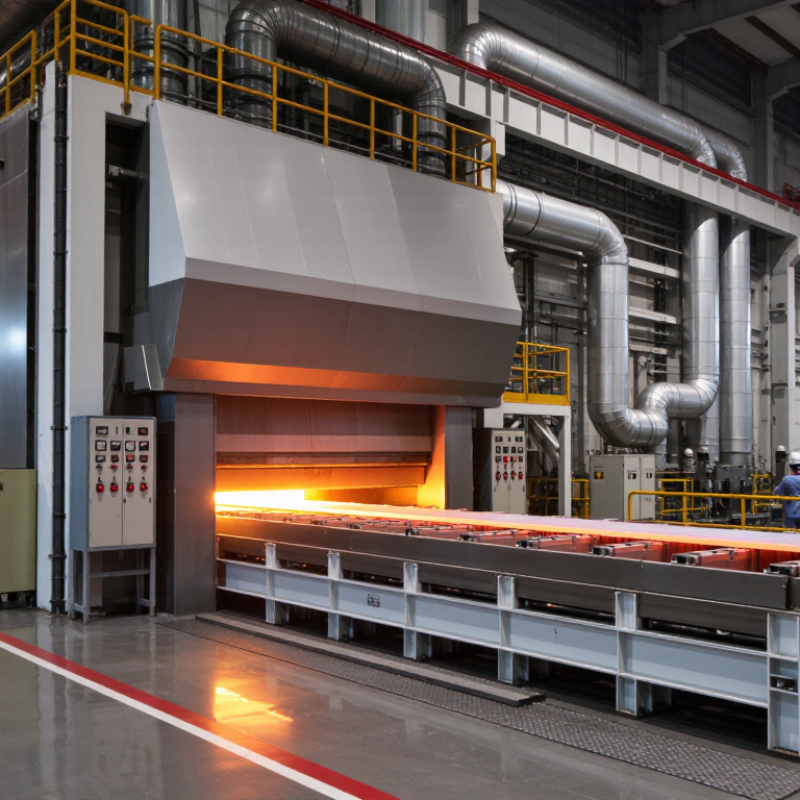
What Is a Belt Annealing Furnace?
What Is the Best Belt Annealing Furnace in China?
A belt annealing furnace is a continuous heat-treatment system with a moving metal belt. It heats products through controlled temperature zones, then cools them gradually. This process relieves internal stress and improves softness, ductility, and dimensional stability. Unlike batch equipment, it supports steady production with less manual loading.
The furnace usually contains heating chambers, insulation, circulation fans, cooling sections, and temperature sensors. A stainless-steel mesh belt carries parts through the chamber at a controlled speed. Operators adjust belt speed and temperature to match the material, thickness, and required hardness. Protective gas may reduce oxidation on sensitive metal surfaces. Small changes matter. A few seconds of extra heating can affect the final result.
From practical operation, reliable annealing depends on more than the maximum furnace temperature. Uniform airflow, accurate thermocouples, stable belt movement, and clear maintenance access are equally important. I would also inspect the sealing structure around the furnace door and cooling zone. Poor sealing can waste energy and disturb the furnace atmosphere. The “best” belt annealing furnace is not always the largest or fastest model. It should match the product size, production volume, heating method, and quality controls. Even a well-designed furnace can produce uneven results if loading is too dense. That detail is easy to overlook.
How Does a Belt Annealing Furnace Work?
What Is the Best Belt Annealing Furnace in China?
A belt annealing furnace heats metal parts continuously on a moving belt. The process usually begins with loading, where parts are spread evenly across the belt. Uneven loading can create cold spots. I have found that simple spacing checks often prevent larger production problems.
Inside the furnace, a preheating zone raises the material temperature gradually. The annealing zone then holds a controlled temperature for a measured time. Depending on the alloy, the chamber may use a protective atmosphere to reduce oxidation. Thermocouples monitor each zone, while the belt controls the travel speed. After heating, controlled cooling helps restore ductility and reduce internal stress. The final section cools parts before unloading. Small temperature changes matter. A furnace can appear stable while its belt speed quietly drifts.
Tips: Check temperature uniformity across the belt, not only the display value. Confirm atmosphere flow near the inlet and outlet. Inspect belt tension, alignment, and surface wear every shift. Keep records of load weight, speed, and hardness results. These details support reliable process control and easier troubleshooting.
When comparing furnaces in China, evaluate heating accuracy, cooling design, belt construction, safety controls, and service support. Request test data using your actual material and load pattern. A larger furnace is not automatically better. Energy use, maintenance access, and stable throughput deserve equal attention. Ask for calibration records and clear operating limits. Performance should be proven under realistic conditions.
What Is the Best Belt Annealing Furnace in China?
A belt annealing furnace continuously transports metal parts or strip through controlled heating, soaking, and cooling zones. The profile below shows a representative temperature program for low-carbon steel, illustrating how each zone contributes to the annealing process.
How it works: The conveyor belt moves the material through multiple temperature-controlled zones. Preheating reduces thermal shock, the annealing zone provides the required metallurgical transformation, and controlled cooling helps reduce residual stress while maintaining the target mechanical properties. Actual settings depend on material grade, thickness, line speed, and atmosphere.
What Types of Belt Annealing Furnaces Are Made in China?
What Is the Best Belt Annealing Furnace in China?
China produces several belt annealing furnace types for different metals, temperatures, and production speeds. The most common is the continuous mesh belt furnace. It carries small parts through heating, soaking, and cooling zones. This design suits fastener, stamping, and precision component production.
Roller hearth furnaces handle larger or heavier workpieces. Their rollers support flat products and reduce belt deformation. Muffle belt furnaces separate products from direct flame and improve atmosphere control.
For stainless steel and copper parts, bright annealing furnaces often use hydrogen or nitrogen-based protective atmospheres. Vacuum systems are also available, although they usually cost more and require stricter maintenance.
Tips: Check the usable belt width, temperature uniformity, atmosphere flow, and cooling capacity. Ask for test records using your actual material. Inspect welds, insulation, sensors, and spare-part access. A low purchase price can hide costly downtime. Think carefully.
In practical evaluations, furnace performance depends on more than the heating chamber. Belt loading, product spacing, and furnace sealing strongly affect results. Some suppliers offer impressive specifications, but real production data may be limited. Request sample annealing trials and review hardness, color, oxidation, and energy consumption. No single design fits every line. A reliable choice balances output, atmosphere stability, service response, and long-term operating cost.
How to Evaluate the Best Belt Annealing Furnace in China
What Is the Best Belt Annealing Furnace in China?
The best belt annealing furnace should fit your material, production speed, and quality targets. China produced about 1,019 million tonnes of crude steel in 2023, according to World Steel Association data. This scale increases demand for stable heat treatment and lower operating costs. A serious evaluation starts with temperature uniformity, atmosphere control, belt loading, and cooling performance. Ask for tested results, not attractive catalogue numbers.
Check the furnace across a real production cycle. Measure temperature at several belt positions, including the edges. Review gas consumption, electrical load, recovery time, and maintenance records. The International Energy Agency reports that iron and steel create around 7–9% of global energy-related carbon dioxide emissions. Therefore, insulation quality and heat recovery deserve close attention. A furnace with fast heating may still waste energy. This is an easy detail to miss.
Tips: Request a factory acceptance test using your actual parts. Confirm pyrometer calibration, alarm records, spare-part availability, and operator training. Applicable requirements, such as AMS2750H or local industrial standards, should match your sector. Compare five-year operating costs, not only the purchase price. I have found that belt life is often underestimated. A slightly higher initial cost can reduce unplanned stoppages, but this should be verified with written maintenance data. No scorecard is perfect. Use measured evidence.
Which Industries Use Belt Annealing Furnaces?
Belt annealing furnaces serve factories that need repeatable heating, soaking, and cooling of long metal products. Their moving belts support continuous production, unlike batch ovens requiring repeated loading. Fastener manufacturers use them for wire, screws, bolts, and small stamped parts. A controlled atmosphere helps limit scale during heating. Small details matter. Belt speed, furnace temperature, and gas flow must match the alloy and part thickness. Operators also inspect belt wear and product spacing during each shift.
Automotive suppliers use these furnaces for springs, clips, brackets, and precision components. The process can improve ductility after forming and reduce internal stress. Wire and tube producers also depend on continuous annealing for copper, stainless steel, and other alloys. Electronics hardware makers may treat contacts, terminals, and tiny metal fittings. These lines often need clean surfaces and tight temperature uniformity. Aerospace production can use belt systems for approved components, but qualification and traceability are demanding. A furnace is not automatically suitable because it reaches a high temperature.
Industrial hardware, appliance, and construction-material plants may choose belt annealing when output is steady and part sizes remain manageable. However, mixed loads can create uneven heating and confusing quality results. That weakness deserves attention. Engineers should compare atmosphere control, cooling capacity, belt material, maintenance access, and data recording. They should also test actual parts, not only empty-chamber performance. In practice, energy use and changeover time can challenge an otherwise capable design. The best choice depends on the industry, alloy, geometry, production volume, and required surface condition.
What Is the Best Belt Annealing Furnace in China? – Which Industries Use Belt Annealing Furnaces?
The best belt annealing furnace depends on the material, heat-treatment temperature, protective atmosphere, production volume, product geometry, and required surface quality. The following table summarizes common industrial applications and practical selection criteria.
| Industry | Typical Products | Common Materials | Typical Annealing Temperature | Recommended Furnace Atmosphere | Key Furnace Requirements | Important Quality Controls |
|---|---|---|---|---|---|---|
| Fasteners and Hardware | Bolts, nuts, screws, washers, clips, and stamped hardware | Carbon steel, stainless steel, alloy steel, and copper alloys | 650–900°C | Nitrogen, endothermic gas, or controlled air depending on the material | Continuous loading, strong temperature uniformity, durable mesh belt, and adjustable belt speed | Hardness, tensile strength, decarburization, oxidation, and dimensional stability |
| Automotive Components | Stamped parts, clips, springs, brackets, small gears, and precision fittings | Low-carbon steel, medium-carbon steel, stainless steel, and spring steel | 600–850°C | Protective nitrogen-based atmosphere or controlled endothermic gas | Multi-zone heating, accurate atmosphere control, low distortion, and automated temperature recording | Mechanical strength, surface condition, fatigue performance, and repeatability |
| Bearing and Precision Mechanical Parts | Small rings, cages, rollers, sleeves, and precision-machined components | Bearing steel, high-carbon chromium steel, and alloy steel | 650–850°C | High-purity nitrogen or another low-oxidation protective atmosphere | Low-temperature deviation, stable conveyor movement, clean furnace chamber, and controlled cooling | Hardness uniformity, dimensional accuracy, residual stress, and surface oxidation |
| Copper and Copper-Alloy Processing | Strips, wires, terminals, connectors, tubes, and stamped electrical parts | Copper, brass, bronze, and copper-nickel alloys | 350–750°C | Nitrogen, hydrogen-nitrogen mixture, or vacuum-compatible protective conditions | Fast heat transfer, non-contaminating belt materials, precise cooling, and oxidation prevention | Electrical conductivity, elongation, surface color, softness, and dimensional consistency |
| Electrical and Electronic Components | Metal terminals, contact parts, connector components, shielding pieces, and small assemblies | Copper alloys, nickel alloys, stainless steel, and plated metals | 300–800°C | Dry nitrogen or another clean protective atmosphere compatible with coatings | Clean chamber design, precise atmosphere flow, low particle generation, and gentle conveying | Contact resistance, coating adhesion, surface cleanliness, and dimensional accuracy |
| Powder Metallurgy | Sintered gears, bushings, structural parts, and small wear-resistant components | Iron-based, stainless-steel, copper-based, and nickel-based powder materials | 700–1,150°C | Hydrogen-nitrogen, nitrogen, dissociated ammonia, or endothermic gas | High-temperature belt construction, controlled gas flow, staged heating, and reliable cooling zones | Density, carbon potential, dimensional change, porosity, strength, and surface condition |
| Wire, Cable, and Metal Strip | Metal wire, flat strip, spring wire, electrical conductor, and drawn products | Carbon steel, stainless steel, copper, brass, and nickel alloys | 400–950°C | Nitrogen, hydrogen-nitrogen, or controlled reducing atmosphere | Stable tension control, continuous feed-through design, uniform heating, and oxidation protection | Tensile strength, elongation, surface finish, conductivity, and coil-to-coil consistency |
| Tool and Blade Manufacturing | Cutting blades, saw components, small tools, punches, and wear-resistant parts | Tool steel, stainless steel, high-speed steel, and hardenable alloy steel | 650–900°C | Vacuum-compatible or protective nitrogen-based atmosphere, depending on the process | Accurate temperature control, low distortion, programmable recipes, and controlled cooling | Hardness, toughness, straightness, edge quality, and microstructural uniformity |
| Metal Stamping and Forming | Stampings, drawn parts, brackets, covers, and formed sheet-metal components | Low-carbon steel, stainless steel, aluminum alloys, and copper alloys | 250–850°C | Air, nitrogen, or low-oxidation atmosphere selected according to the alloy and surface requirements | Flexible belt speed, even product spacing, rapid recipe changes, and low-temperature overshoot | Formability, hardness, springback, surface appearance, and part distortion |
| Medical and Laboratory Hardware | Small surgical instruments, fittings, clips, dental components, and laboratory parts | Stainless steel, titanium alloys, cobalt-chromium alloys, and specialty metals | 500–1,050°C | High-purity inert or protective atmosphere selected for the specific alloy | Cleanable construction, traceable process records, precise control, and low contamination risk | Corrosion resistance, cleanliness, hardness, dimensional accuracy, and batch traceability |
| General Heat-Treatment Services | Mixed small metal parts requiring stress relief, softening, or recrystallization annealing | Carbon steel, stainless steel, copper alloys, aluminum alloys, and nickel alloys | 200–1,100°C | Air, nitrogen, inert gas, or reducing atmosphere based on the material and finish | Wide operating range, modular heating zones, recipe storage, easy maintenance, and adaptable loading systems | Temperature uniformity, hardness, surface oxidation, throughput, and energy consumption |
Note: Temperature ranges are typical industry references rather than fixed process specifications. The correct annealing cycle must be confirmed through material certificates, product dimensions, furnace trials, and applicable technical standards.

