

Top 10 Benefits of Using Motorized Valves in Automation Systems?
In today's world, automation is a vital part of many industries. One crucial component in these systems is the Motorized Valve. This technology offers several advantages that enhance operational efficiency.
Motorized Valves provide precise control over fluid flow, which is essential for maintaining optimal processes. They can reduce energy costs and improve safety by minimizing the risk of leaks or failures. Many systems benefit from quick response times that Motorized Valves offer, allowing for real-time adjustments.
However, not all implementations are flawless. Some users face challenges in integration and maintenance. Understanding these potential pitfalls is crucial. Overall, embracing Motorized Valves can lead to significant improvements in automation systems, if approached thoughtfully.
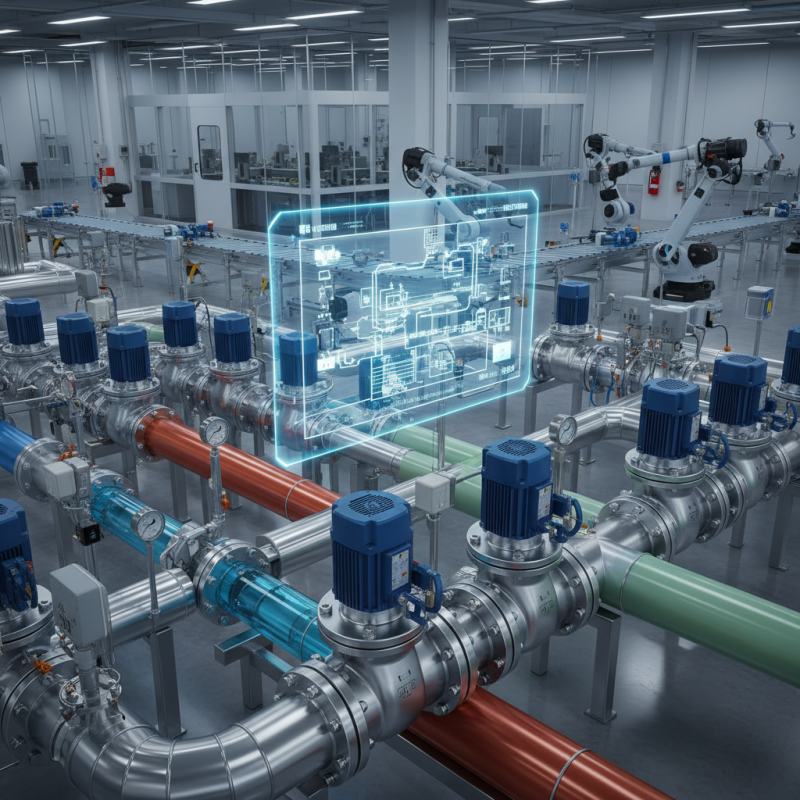
Top Benefits of Motorized Valves in Automation Systems
The integration of motorized valves in automation systems offers numerous advantages. One significant benefit is enhanced efficiency. According to industry data, companies using motorized valves see a 30% increase in operational efficiency. This boost comes from automating control processes, reducing manual intervention.
Another benefit includes improved precision in flow control. With motorized valves, adjustments happen within seconds. This response time helps maintain system stability. Furthermore, the accuracy of motorized valves can lead to significant cost savings over time. Some reports indicate savings of up to 20% on operational costs.
**Tips:** When implementing motorized valves, ensure proper sizing. Ill-fitting valves can lead to inefficiencies. It's also essential to regularly inspect the system. Even high-tech solutions can face wear and tear.
Lastly, the adaptability of motorized valves is noteworthy. They work well across various industries, from pharmaceuticals to agriculture. Yet, one common oversight is neglecting proper training for staff. This oversight can hinder the full potential of automation. Regular workshops can ensure everyone is up to speed on best practices.
Enhanced Control Accuracy in Fluid Management with Motorized Valves
Motorized valves play a crucial role in automation systems, particularly in managing fluid flow. They offer enhanced control accuracy, ensuring precise adjustments in various applications. This level of control is particularly crucial in industries where fluid management is vital, such as water treatment or chemical processing. The ability to respond swiftly to changing conditions allows for better system efficiency and safety.
One key aspect of motorized valves is their ability to minimize human error. By automating the control process, operators can set exact parameters. This leads to consistent performance. However, achieving optimal results requires careful calibration. Overlooking minor adjustments can lead to inefficiencies that compound over time. Thus, regular maintenance and reevaluation of the system are imperative.
Tips: Always assess your system's requirements before installation. Choose the right type of motorized valve for your application. Sometimes, less is more; simpler solutions can yield better performance. Be prepared for occasional setbacks; they can provide valuable learning opportunities. Reflect on any issues you encounter and adjust your strategy accordingly.
Reduced Energy Consumption through Efficient Valve Operations
Motorized valves offer significant advantages in automation systems, particularly in reducing energy consumption. A recent report from the International Energy Agency notes that optimizing valve operations can lead to reductions in energy usage by up to 30%. This efficiency stems from precise control over fluid flow and pressure, which minimizes waste. These valves adjust quickly and accurately, leading to better process stability.
However, implementing these systems isn't always flawless. Industries may face challenges in integration, especially with existing equipment. Misconfiguration can counteract the expected energy savings, and regular maintenance is crucial. A study found that poorly maintained automated valves could increase energy costs by 15%. Therefore, industry professionals must invest in proper training and monitoring to maximize benefits.
Moreover, data from the American Society of Mechanical Engineers indicates that energy-efficient automation systems can lower operational costs. Over time, this results in substantial savings for companies. The focus should be on continuous improvement and addressing the learning curve associated with motorized valve technology. Engaging in regular assessments of valve performance can lead to optimized energy utilization, benefiting both the environment and the bottom line.
Improved System Safety and Reliability with Automation Integration
Motorized valves play a critical role in automation systems, enhancing safety and reliability. With automation, these valves provide precise control over fluid flow. This precision minimizes the risk of leaks and spills, contributing to a safer working environment. Many industrial applications face challenges due to human error. Automating valve operation reduces this risk significantly. When systems operate smoothly, the chances of accidents decrease.
However, not all systems are designed equally. Routine maintenance is vital for ensuring that motorized valves function as intended. Some operators overlook this aspect, which can lead to unexpected failures. A proactive approach to maintenance can improve system performance. Regular checks can help identify wear and tear before they become serious issues. This kind of attention enhances the reliability of the entire automation system.
In the quest for improved safety, it's essential to consider the integration process. Misconfigurations can undermine the benefits of automation. A thorough understanding of the automation landscape is important. Training staff on these systems cannot be neglected either. Workers need to be aware of potential pitfalls. By fostering a culture of safety and diligence, organizations can fully leverage the advantages of motorized valves in their operations.
Minimized Maintenance Requirements for Motorized Valve Systems
Motorized valves are becoming essential in modern automation systems. One significant advantage is the minimized maintenance requirements. Traditional valves often need regular inspections and manual adjustments. This can be time-consuming and labor-intensive. Motorized valves, on the other hand, require less frequent maintenance. They operate with precision and can be programmed for optimal performance. This leads to reduced downtime.
The design of motorized valves allows for fewer parts that wear out. Less wear translates to fewer failures. Operators appreciate the reliability of these systems. However, the initial installation can present challenges. Engineers must ensure proper calibration and integration into existing systems. Mistakes can lead to communication issues between components.
Still, the long-term benefits outweigh these initial hurdles. Motorized valves allow for remote monitoring. This feature helps to identify problems before they escalate. With fewer maintenance needs, personnel can focus on other critical tasks. In a streamlined operational environment, productivity tends to increase.
Top 10 Benefits of Using Motorized Valves in Automation Systems
| Benefit | Description | Impact on Maintenance |
|---|---|---|
| Automated Control | Enables precise control over fluid flow with minimal human intervention. | Reduces the need for frequent manual checks. |
| Increased Efficiency | Optimizes performance by adjusting flows to demand automatically. | Minimizes wear and tear on components. |
| Remote Monitoring | Facilitates monitoring of valve positions and performance from a distance. | Limits the necessity for on-site inspections. |
| Reduced Risk of Human Error | Automates repetitive tasks, decreasing the chances of mistakes. | Decreases maintenance incidents caused by operator error. |
| Improved Safety | Minimizes direct human interaction with dangerous processes. | Lowers the frequency of maintenance needed due to accidents. |
| Energy Savings | Allows for controlled energy consumption based on flow requirements. | Decreases the need for energy-related inspections. |
| Versatility | Can be used in various applications across different industries. | Reduces the need for specialized maintenance staff. |
| Consistent Performance | Delivers reliable operation over time without fluctuation. | Decreases maintenance frequency due to fewer performance issues. |
| Longer Lifespan of Valves | Durable design extends the operational life of the equipment. | Fewer replacements reduce long-term maintenance costs. |
| Cost-Effectiveness | Decreases overall operational costs through efficiency and reduced failures. | Lowers lifetime maintenance expenses significantly. |
Conclusion
Motorized valves play a pivotal role in enhancing automation systems across various industries. One of the primary benefits is the improved control accuracy in fluid management, allowing for precise adjustments that lead to optimal system performance. Additionally, these valves contribute to reduced energy consumption by operating efficiently, which helps in lowering operational costs. The integration of motorized valves into automation systems also significantly boosts safety and reliability, minimizing the risk of human error and potential accidents.
Furthermore, motorized valves are designed to require minimal maintenance, resulting in fewer disruptions and extended lifespan. Their scalability and flexibility make them an ideal choice for evolving automation processes, enabling businesses to adapt swiftly to new demands. Overall, the incorporation of motorized valves into automation systems delivers enhanced efficiency, sustainability, and operational effectiveness.

