

Top 10 Types of Race Bikes to Buy in 2026
Choosing a Race Bike in 2026 is not just a matter of chasing the lightest frame or newest groupset. The right design depends on where you ride, how you race, and what feels manageable after two hours. Bicycle designer Keith Bontrager is often credited with the line, “Strong, light, cheap. Pick two.” It captures a real buying tension: speed, durability, comfort, and price rarely peak together. Test the fit. Check the gearing. Listen for rattles on rough pavement.
This guide compares ten race-bike types, from aerodynamic road and lightweight climbing bikes to time-trial, track, cyclocross, and gravel-race models. It also considers endurance, criterium, all-round, and entry-level options. Each category suits different courses and riders; a deep-section wheelset can help on fast, exposed roads, but feel demanding in crosswinds. A stiff track frame is purposeful, not versatile. Small details matter. Tire clearance, brake setup, gearing, and frame fit can change the ride more than a glossy spec sheet suggests. Prices and components may vary by brand and market, so verify current specifications before buying.
There is no perfect bike for every rider. I would be cautious about treating any “top ten” order as universal; rider position and local terrain can overturn a ranking. Use the comparisons to narrow your choices, then arrange a professional fit and, when possible, a test ride. A fast bike should still feel controllable. That part gets overlooked.
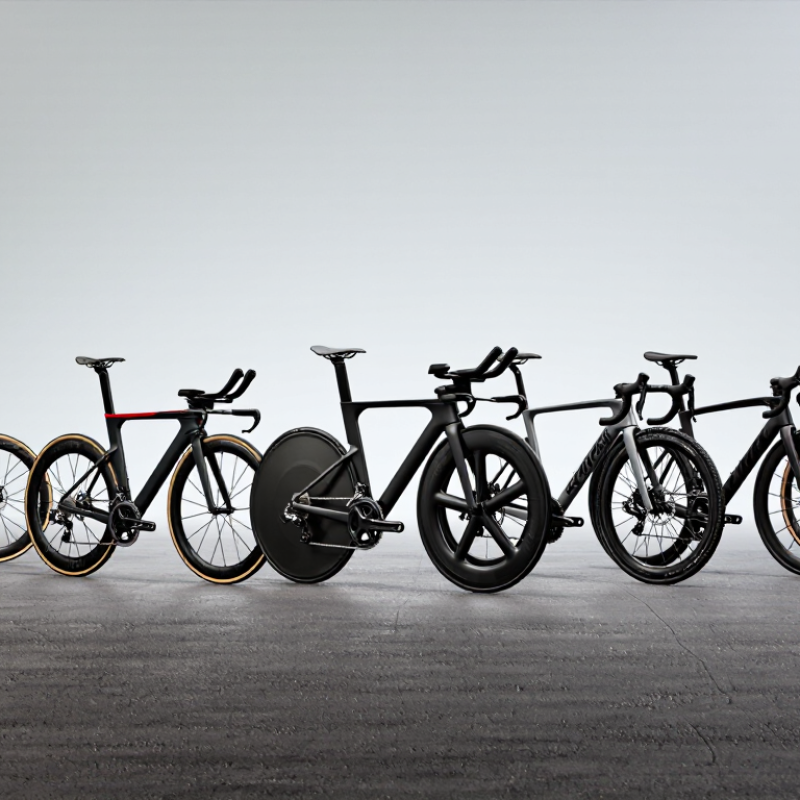
How Race Bikes Are Classified for 2026
For 2026, race bikes are best classified by course, riding position, and event rules—not by one universal taxonomy. Climbing road bikes favor low mass and responsive handling; aero road bikes use shaped tubes for speed on flatter courses. Time-trial and triathlon bikes position riders low and forward. Track bikes are fixed-gear machines for smooth velodromes, while gravel race bikes allow wider tires for loose surfaces. Different jobs. These categories can overlap, and labels alone do not prove a bike suits a particular race.
Rules offer a more reliable reference point. The UCI’s technical regulations set a 6.8-kilogram minimum bicycle mass for applicable road events; that is a limit, not a performance target. Cycling Industries Europe’s 2023 market profile estimated 11.7 million bicycle sales across Europe, including about 5.1 million e-bikes. Those figures describe the wider bicycle market, not race-bike subtypes—a useful distinction when reading market data. Compare race bikes by event, frame geometry, tire clearance, gearing, and competition eligibility. The categories are practical, not perfect. Check the actual rules and course before deciding.
Road Racing: Aero, Climbing, Endurance, and Time-Trial Bikes
Road racing rewards different designs. Aero bikes suit fast, flat courses, where riders hold a low position and crosswind stability matters. Climbing bikes prioritize low weight and responsive handling on steep roads. Endurance bikes use more upright geometry and wider tire clearance for long, rough days. Time-trial bikes put the rider in a narrow position, often sacrificing comfort and quick handling for speed against the clock. No category wins every course.
The UCI’s technical regulations set a 6.8-kilogram minimum for road-race bicycles (UCI Cycling Regulations, article 1.3.019). That limit is useful context: a lighter frame alone cannot guarantee a faster climb. Fit, gearing, tires, and the rider’s ability to sustain effort all count. For time trials, practice holding the position matters; a theoretically fast setup can feel punishing after several minutes. I would not choose from weight claims alone.
Tips: Test the bike on your actual terrain. Check tire clearance and fit, then ride at race effort. A short test is imperfect, but discomfort is hard to ignore.
Off-Road Racing: Cross-Country, Downhill, Enduro, and Cyclocross Bikes
Off-road race bikes serve very different courses, so match the design to the ground you actually ride. Cross-country bikes favor efficient climbing and quick acceleration. A hardtail can feel lively on smooth climbs, while a short-travel full-suspension bike offers more control over roots and rocky corners. Check that the riding position feels sustainable, not just fast for one short lap. Fit comes first.
Downhill bikes are built for steep descents, repeated impacts, and high speeds. Their long-travel suspension and powerful brakes add confidence, but can feel cumbersome on ordinary climbs. Enduro bikes balance pedal-friendly geometry with suspension that can handle rough descents. If your routes include long fire-road approaches, pay attention to weight and gearing; those details become obvious before the race even starts. Small details matter.
Cyclocross bikes are lighter and quicker to shoulder, with drop bars and tires suited to grass, dirt, and muddy turns. They make sense for tight courses where riders may need to dismount and carry the bike. The categories can blur: a fast gravel route may suit one rider’s cyclocross bike and another’s cross-country bike. It is tempting to buy for the most dramatic trail, but regular terrain is a better guide. Before choosing, test the brakes, suspension feel, and reach, then check how easily common parts can be serviced. I would not assume the lightest frame is automatically the best race bike.
Specialized Racing: Track and Gravel Bikes
Track and gravel bikes serve very different kinds of racing. A track bike is built for smooth, banked surfaces, with a fixed gear and no coasting. Its direct response rewards precise pacing and a steady line. Before buying, check that the frame fits your position and that its gearing suits your local track. Rules and preferred setups can vary. Small details matter.
Gravel race bikes need to handle loose corners, washboard roads, and sudden changes in surface. Look for stable handling, dependable braking, and enough tire clearance for the routes you actually ride. Wider tires can add comfort and grip, but they may feel slower on smooth pavement. There is no perfect setup. A quick test ride on familiar gravel can reveal more than a long feature list.
One easy mistake is choosing a bike for its race-day image rather than its regular use. Check your reach, saddle position, and control comfort before focusing on weight. For gravel events, confirm that bottles and basic repair supplies fit securely; remote stretches can make a minor puncture a long delay. Track machines are less versatile outside the velodrome, while gravel bikes trade some sharpness for adaptability. That compromise is worth thinking through.
Top 10 Types of Race Bikes to Buy in 2026: Track and Gravel Bikes
| Bike Type | Best For | Typical Setup | Key Buying Consideration |
|---|---|---|---|
| Track Sprint Bike | Short, high-speed races on a velodrome | Fixed gear, no brakes, narrow track tires, stiff frame | Check that the frame and components meet the rules of your track and race category. |
| Track Pursuit Bike | Individual or team pursuit events | Fixed gear, aerodynamic position, deep-section wheels where permitted | Prioritize a fit that supports a sustainable aerodynamic position and confirm event equipment rules. |
| Aero Road Bike | Flat road races, fast group rides, and triathlon-style training | Drop handlebars, multiple gears, aerodynamic frame and integrated components | Compare fit, handling, and serviceability as well as aerodynamic features. |
| Lightweight Climbing Road Bike | Mountain stages and courses with sustained climbs | Drop handlebars, wide gear range, lightweight frame and wheelset | Choose gearing low enough for your climbs; a lighter build should still feel stable on descents. |
| Endurance Road Race Bike | Long road events and rougher paved routes | Drop handlebars, road gearing, relaxed geometry, room for wider tires | Look for a comfortable fit and adequate tire clearance without compromising control. |
| All-Road Race Bike | Fast rides that mix smooth pavement with occasional hard-packed paths | Drop handlebars, multiple gears, road-style geometry, moderately wide tires | Balance road speed with enough tire clearance and grip for the surfaces you actually ride. |
| Gravel Race Bike | Competitive gravel events and long mixed-surface races | Drop handlebars, wide-range gearing, disc brakes, clearance for broad tires | Check tire clearance, gearing for steep grades, and repair access for remote events. |
| Short-Course Gravel Bike | Fast gravel circuits and smoother, less technical courses | Lightweight frame, race-focused position, narrower gravel tires than a rough-terrain setup | Match tire width and tread to the course; a faster tread may be less suitable on loose surfaces. |
| Cyclocross Race Bike | Short, technical off-road races with corners, barriers, and dismounts | Drop handlebars, disc brakes, knobby tires, responsive handling | Confirm local tire-width and equipment regulations, which can differ by race organization. |
| Time-Trial Bike | Individual road time trials | Aerodynamic frame, dedicated aero extensions, multiple gears | Fit and event regulations are essential; verify that the cockpit setup is legal for your competition. |
How to Choose a Race Bike by Discipline, Fit, and Budget
Choose the discipline before comparing frame shapes. Road racing rewards low weight and quick handling; gravel racing needs wider tire clearance and stable steering. Time-trial bikes prioritize an aerodynamic position, while track bikes are built for a smooth, controlled velodrome. PeopleForBikes’ 2023 U.S. Bicycling Participation Report counted 112 million riders in 2022. That broad range of riding habits is a reminder: the “fastest” bike is only fast on suitable roads and terrain.
Fit first. A frame that looks aggressive can still leave your hands numb or your hips cramped. Check reach, saddle height, and handlebar drop with a qualified fitter, then test the position under effort. Small adjustments matter. UCI road-racing regulations set a 6.8-kilogram minimum bike weight, but most buyers do not need to chase that limit. Comfort and control are more useful than a number on a scale.
Set a complete-bike budget, including pedals, shoes, a helmet, and basic maintenance. Then compare groupset range, wheel durability, and tire clearance—not just frame material. A lower-priced bike with dependable wheels may suit training better than a fragile, lightweight build. I would still question any purchase based on one test ride; fatigue and road surface can change the feel completely. Look for a return or fit-adjustment policy before paying.

